White HouseSenateThe HouseSupreme CourtFederal ReserveDOJState DepartmentTreasuryCensusBudget OfficeTrade Representative
WashingTone
Informed by Washington, Defined by Insight
Thursday, Apr 30, 2026
WashingTone

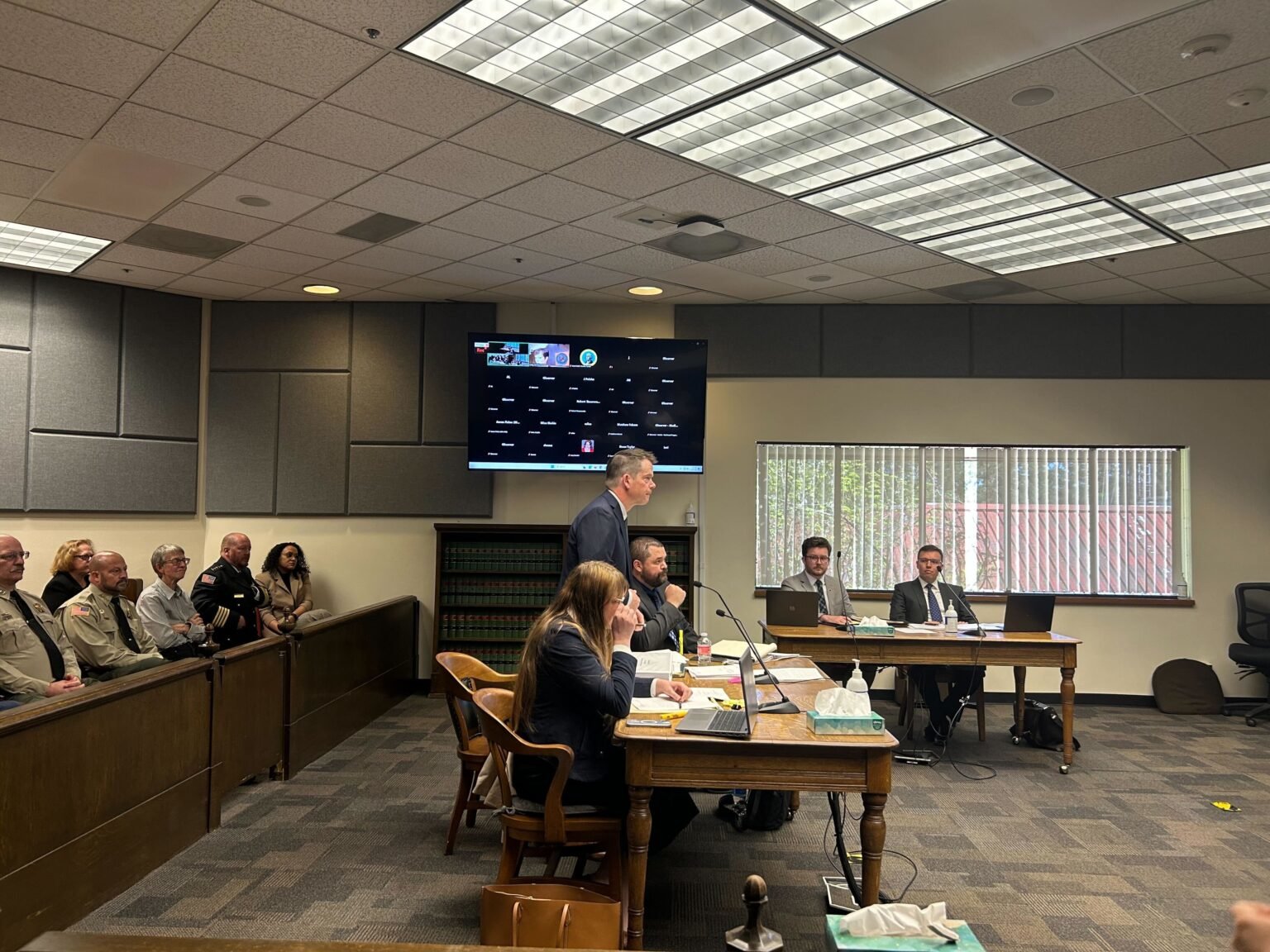
Washington Judge Temporarily Blocks Controversial Sheriff Qualification Law Amid Constitutional Challenge
A state court has halted key provisions of Washington’s new law tightening eligibility and certification standards for sheriffs, setting up a high-stakes constitutional battle over voter authority and state oversight of elected law enforcement.
A SYSTEM-DRIVEN conflict over the balance between state regulation and local electoral control has emerged in Washington after a judge temporarily blocked major parts of a newly enacted law that would impose stricter qualification and certification standards on county sheriffs.
The ruling, issued by a Thurston County Superior Court judge, prevents the core provisions of the legislation from taking effect while a constitutional challenge proceeds.
The law, known as Senate Bill 5974, was designed to establish uniform minimum requirements for sheriffs across Washington and create mechanisms that could lead to their removal if they fail to maintain state certification or meet eligibility criteria.
What is confirmed is that the law would have required sheriffs to meet baseline conditions including a minimum age, a clean felony and gross misdemeanor record, at least five years of law enforcement experience, and ongoing certification through the state’s Criminal Justice Training Commission.
It also aligned standards for sheriffs, who are elected, with those already applied to appointed police chiefs.
Under the statute, failure to maintain certification could trigger removal from office and replacement by county officials.
The judge’s decision was issued in response to an emergency lawsuit filed by four eastern Washington sheriffs who argue the law unlawfully restricts voter choice and exceeds legislative authority.
The court found that the plaintiffs raised serious constitutional questions about whether the state can effectively disqualify elected officials through administrative certification requirements rather than through elections or recall processes.
In her reasoning, the judge emphasized that elected office carries a strong presumption of voter control and that limiting candidacy after voters have chosen an official raises fundamental democratic concerns.
The court’s order does not strike down the law permanently but suspends its enforcement while litigation continues, meaning the statute is effectively on hold.
The legal challenge reflects a deeper institutional dispute.
Supporters of the law argue it addresses gaps in accountability by ensuring sheriffs meet professional standards comparable to other senior law enforcement roles.
Opponents argue it shifts power away from local voters and places ultimate authority over elected officials in the hands of state-level administrative panels, raising concerns about democratic legitimacy and executive overreach.
The state government has indicated it intends to appeal the injunction, signaling that the case is likely to move through higher courts.
In the meantime, the existing system remains in place, where sheriffs are primarily held accountable through elections and, in rare cases, recall procedures rather than state decertification mechanisms.
The immediate consequence of the ruling is that Washington’s attempt to standardize and enforce minimum qualifications for sheriffs has been paused statewide.
The broader implication is that courts will now determine whether professional licensing systems can be used to effectively shape eligibility for elected office without violating constitutional protections tied to democratic choice.
The ruling, issued by a Thurston County Superior Court judge, prevents the core provisions of the legislation from taking effect while a constitutional challenge proceeds.
The law, known as Senate Bill 5974, was designed to establish uniform minimum requirements for sheriffs across Washington and create mechanisms that could lead to their removal if they fail to maintain state certification or meet eligibility criteria.
What is confirmed is that the law would have required sheriffs to meet baseline conditions including a minimum age, a clean felony and gross misdemeanor record, at least five years of law enforcement experience, and ongoing certification through the state’s Criminal Justice Training Commission.
It also aligned standards for sheriffs, who are elected, with those already applied to appointed police chiefs.
Under the statute, failure to maintain certification could trigger removal from office and replacement by county officials.
The judge’s decision was issued in response to an emergency lawsuit filed by four eastern Washington sheriffs who argue the law unlawfully restricts voter choice and exceeds legislative authority.
The court found that the plaintiffs raised serious constitutional questions about whether the state can effectively disqualify elected officials through administrative certification requirements rather than through elections or recall processes.
In her reasoning, the judge emphasized that elected office carries a strong presumption of voter control and that limiting candidacy after voters have chosen an official raises fundamental democratic concerns.
The court’s order does not strike down the law permanently but suspends its enforcement while litigation continues, meaning the statute is effectively on hold.
The legal challenge reflects a deeper institutional dispute.
Supporters of the law argue it addresses gaps in accountability by ensuring sheriffs meet professional standards comparable to other senior law enforcement roles.
Opponents argue it shifts power away from local voters and places ultimate authority over elected officials in the hands of state-level administrative panels, raising concerns about democratic legitimacy and executive overreach.
The state government has indicated it intends to appeal the injunction, signaling that the case is likely to move through higher courts.
In the meantime, the existing system remains in place, where sheriffs are primarily held accountable through elections and, in rare cases, recall procedures rather than state decertification mechanisms.
The immediate consequence of the ruling is that Washington’s attempt to standardize and enforce minimum qualifications for sheriffs has been paused statewide.
The broader implication is that courts will now determine whether professional licensing systems can be used to effectively shape eligibility for elected office without violating constitutional protections tied to democratic choice.