White HouseSenateThe HouseSupreme CourtFederal ReserveDOJState DepartmentTreasuryCensusBudget OfficeTrade Representative
WashingTone
Informed by Washington, Defined by Insight
Thursday, Apr 30, 2026
WashingTone

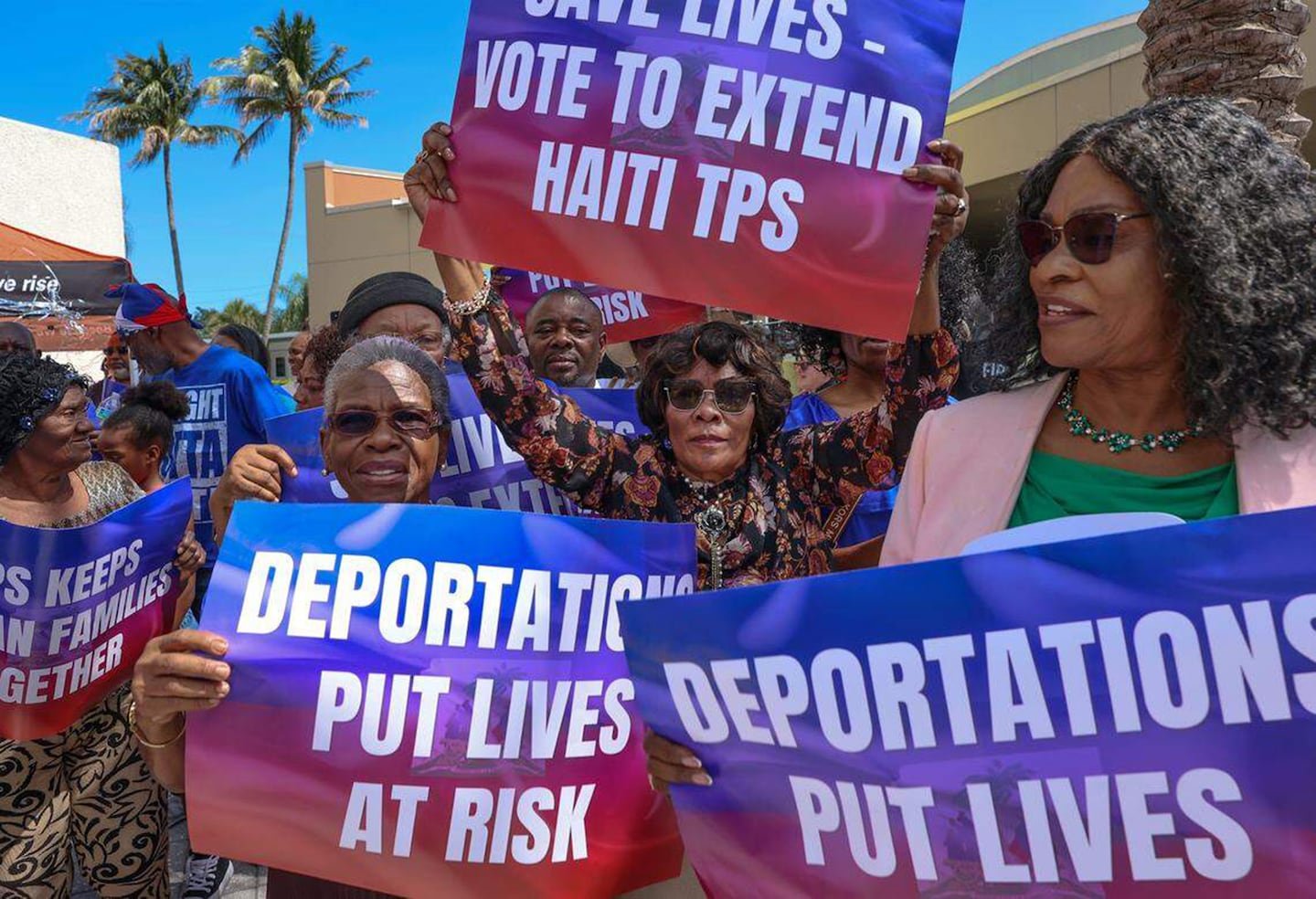
Supreme Court examines Trump bid to terminate temporary protections for migrants
Justices weigh limits of executive power over Temporary Protected Status as the administration seeks to roll back long-standing humanitarian residency safeguards for several national groups
A SYSTEM-DRIVEN constitutional and immigration dispute is before the United States Supreme Court as it reviews the Trump administration’s effort to terminate Temporary Protected Status, a federal program that allows migrants from designated countries to live and work legally in the United States when return conditions are considered unsafe.
What is confirmed is that the case centers on whether the executive branch has broad authority to end or narrow TPS designations once they have been granted, or whether such actions are subject to stricter judicial review due to statutory protections built into immigration law.
Temporary Protected Status is not a pathway to permanent residency or citizenship.
It is a humanitarian mechanism created by Congress that applies to individuals from countries experiencing armed conflict, natural disasters, or extraordinary instability.
When granted, it shields recipients from deportation and provides work authorization for a limited period, subject to renewal decisions by the executive branch.
The current dispute arises from an effort by the Trump administration to end or substantially narrow TPS protections for several groups that have held the status for extended periods.
The government argues that the conditions justifying the original designations have changed or no longer meet statutory thresholds, and that decisions about continuation fall primarily within executive discretion.
Opponents of the policy argue that terminating TPS in this manner disregards the reliance interests of hundreds of thousands of individuals who have built long-term lives in the United States, including employment, housing, and family structures.
They also argue that abrupt termination without individualized assessment effectively converts a temporary humanitarian program into an unstable status vulnerable to political shifts.
Lower courts have previously intervened in aspects of TPS termination efforts, creating a legal question about the boundaries of judicial review over immigration enforcement decisions.
The Supreme Court’s review focuses on whether those earlier interventions overstepped limits on courts’ authority in matters traditionally considered tied to foreign policy and executive discretion.
The stakes extend beyond the specific groups affected.
A ruling in favor of broad executive authority would reinforce the ability of future administrations to rapidly reverse humanitarian immigration protections.
A ruling limiting that authority would strengthen judicial oversight and potentially make TPS designations more durable and harder to unwind without formal procedural justification.
The case also carries practical consequences for labor markets and local economies.
TPS recipients are concentrated in sectors such as construction, healthcare support, hospitality, and services.
Sudden loss of work authorization could create immediate labor disruptions while also forcing individuals into legal uncertainty about their residency status.
At the same time, the case reflects a broader tension in U.S. immigration law: whether temporary humanitarian protections remain temporary in practice, or whether long-term renewals effectively create semi-permanent residency outside the traditional immigration system.
The Supreme Court’s decision will determine the legal standard governing future attempts to terminate TPS designations and define how much flexibility the executive branch retains over humanitarian immigration programs that have, in some cases, lasted for decades.
Whatever the outcome, the ruling will reset the balance of power between the courts and the executive branch in shaping the durability of temporary immigration protections in the United States.
What is confirmed is that the case centers on whether the executive branch has broad authority to end or narrow TPS designations once they have been granted, or whether such actions are subject to stricter judicial review due to statutory protections built into immigration law.
Temporary Protected Status is not a pathway to permanent residency or citizenship.
It is a humanitarian mechanism created by Congress that applies to individuals from countries experiencing armed conflict, natural disasters, or extraordinary instability.
When granted, it shields recipients from deportation and provides work authorization for a limited period, subject to renewal decisions by the executive branch.
The current dispute arises from an effort by the Trump administration to end or substantially narrow TPS protections for several groups that have held the status for extended periods.
The government argues that the conditions justifying the original designations have changed or no longer meet statutory thresholds, and that decisions about continuation fall primarily within executive discretion.
Opponents of the policy argue that terminating TPS in this manner disregards the reliance interests of hundreds of thousands of individuals who have built long-term lives in the United States, including employment, housing, and family structures.
They also argue that abrupt termination without individualized assessment effectively converts a temporary humanitarian program into an unstable status vulnerable to political shifts.
Lower courts have previously intervened in aspects of TPS termination efforts, creating a legal question about the boundaries of judicial review over immigration enforcement decisions.
The Supreme Court’s review focuses on whether those earlier interventions overstepped limits on courts’ authority in matters traditionally considered tied to foreign policy and executive discretion.
The stakes extend beyond the specific groups affected.
A ruling in favor of broad executive authority would reinforce the ability of future administrations to rapidly reverse humanitarian immigration protections.
A ruling limiting that authority would strengthen judicial oversight and potentially make TPS designations more durable and harder to unwind without formal procedural justification.
The case also carries practical consequences for labor markets and local economies.
TPS recipients are concentrated in sectors such as construction, healthcare support, hospitality, and services.
Sudden loss of work authorization could create immediate labor disruptions while also forcing individuals into legal uncertainty about their residency status.
At the same time, the case reflects a broader tension in U.S. immigration law: whether temporary humanitarian protections remain temporary in practice, or whether long-term renewals effectively create semi-permanent residency outside the traditional immigration system.
The Supreme Court’s decision will determine the legal standard governing future attempts to terminate TPS designations and define how much flexibility the executive branch retains over humanitarian immigration programs that have, in some cases, lasted for decades.
Whatever the outcome, the ruling will reset the balance of power between the courts and the executive branch in shaping the durability of temporary immigration protections in the United States.