White HouseSenateThe HouseSupreme CourtFederal ReserveDOJState DepartmentTreasuryCensusBudget OfficeTrade Representative
WashingTone
Informed by Washington, Defined by Insight
Friday, Feb 27, 2026
WashingTone

0:00
0:00
President Trump to Convene White House Roundtable on the Future of College Athletics
Administration to gather athletes, university leaders and policymakers as debate over compensation and governance intensifies
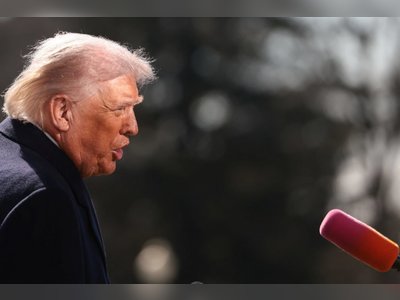
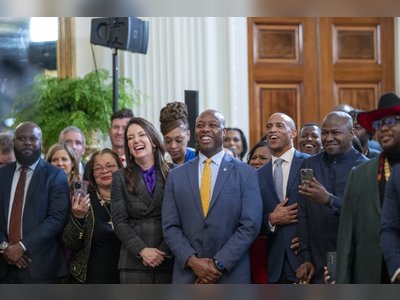
President Donald Trump is set to host a White House roundtable focused on the future of college athletics, bringing together athletes, university administrators, conference officials and lawmakers to discuss the rapidly evolving landscape of collegiate sports.
According to officials familiar with the planning, the discussion will address athlete compensation, name, image and likeness arrangements, transfer rules and the broader governance structure overseeing university sports.
The meeting comes at a pivotal moment, as legal rulings and state-level legislation continue to reshape the traditional model of amateur competition.
The administration has signalled that it views college athletics as both a major economic engine and a cultural institution with nationwide impact.
Trump is expected to emphasise competitive fairness, educational opportunity and the long-term sustainability of athletic programmes across divisions.
In recent years, universities and athletic conferences have grappled with court decisions expanding athletes’ rights to profit from endorsements and other commercial ventures.
At the same time, policymakers have debated whether federal standards are needed to replace a patchwork of state laws governing compensation and recruiting practices.
Participants in the roundtable are expected to include current and former student-athletes, coaches and higher-education leaders, alongside members of Congress involved in sports-related legislation.
Discussions may also touch on athlete welfare, academic standards and revenue distribution within major conferences.
Supporters of a coordinated federal approach argue that national guidelines could bring clarity and stability to a system in flux.
Others caution that reforms must balance athlete empowerment with the financial realities facing smaller institutions.
The White House event underscores the administration’s interest in shaping policy conversations beyond traditional economic and security issues, positioning college athletics as an arena where educational values, market forces and public policy intersect.
According to officials familiar with the planning, the discussion will address athlete compensation, name, image and likeness arrangements, transfer rules and the broader governance structure overseeing university sports.
The meeting comes at a pivotal moment, as legal rulings and state-level legislation continue to reshape the traditional model of amateur competition.
The administration has signalled that it views college athletics as both a major economic engine and a cultural institution with nationwide impact.
Trump is expected to emphasise competitive fairness, educational opportunity and the long-term sustainability of athletic programmes across divisions.
In recent years, universities and athletic conferences have grappled with court decisions expanding athletes’ rights to profit from endorsements and other commercial ventures.
At the same time, policymakers have debated whether federal standards are needed to replace a patchwork of state laws governing compensation and recruiting practices.
Participants in the roundtable are expected to include current and former student-athletes, coaches and higher-education leaders, alongside members of Congress involved in sports-related legislation.
Discussions may also touch on athlete welfare, academic standards and revenue distribution within major conferences.
Supporters of a coordinated federal approach argue that national guidelines could bring clarity and stability to a system in flux.
Others caution that reforms must balance athlete empowerment with the financial realities facing smaller institutions.
The White House event underscores the administration’s interest in shaping policy conversations beyond traditional economic and security issues, positioning college athletics as an arena where educational values, market forces and public policy intersect.