White HouseSenateThe HouseSupreme CourtFederal ReserveDOJState DepartmentTreasuryCensusBudget OfficeTrade Representative
WashingTone
Informed by Washington, Defined by Insight
Monday, Apr 27, 2026
WashingTone

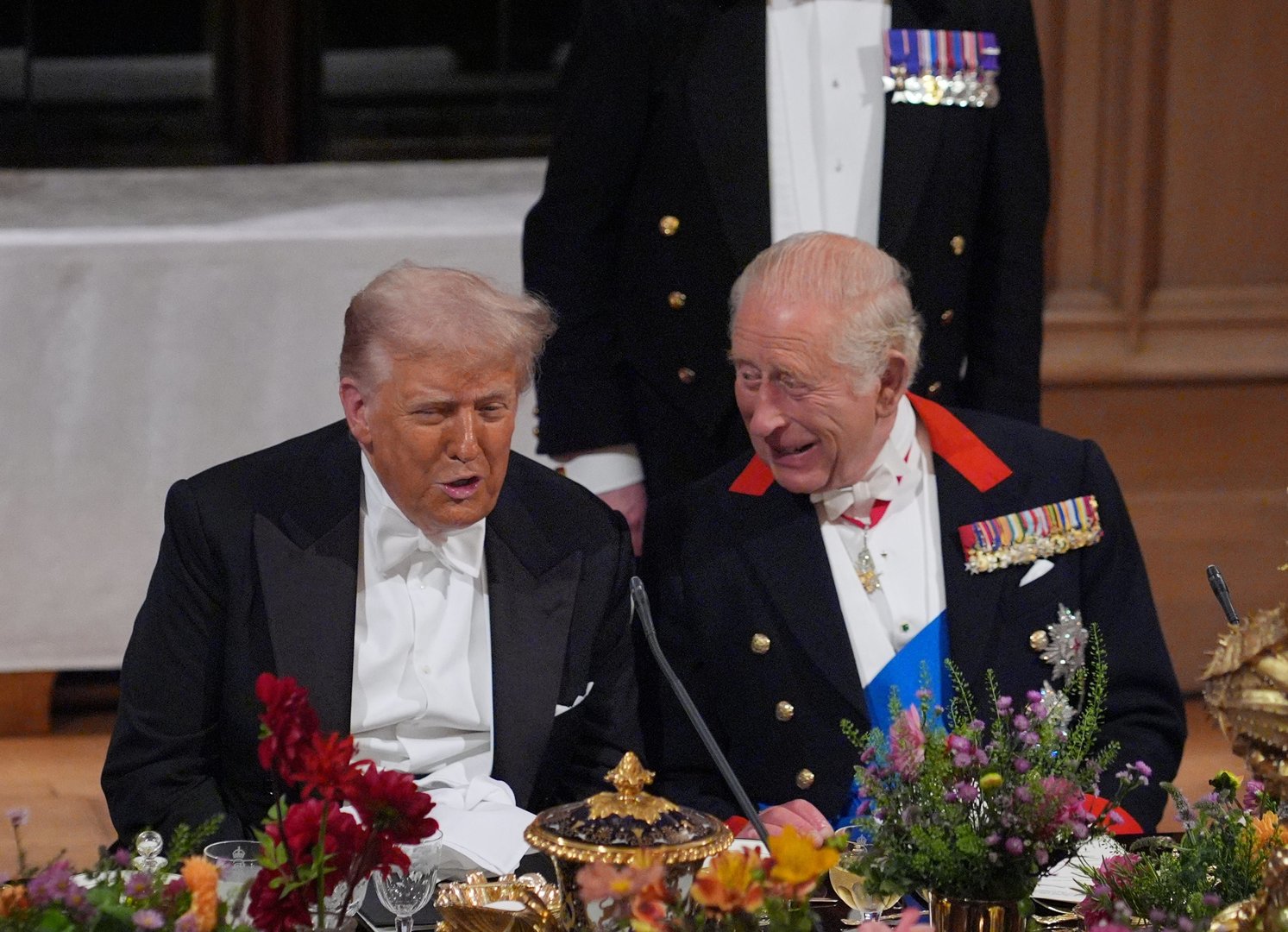
Unverified Claims of ‘Plots’ to Embarrass Monarch During US Visit Reflect Information Warfare Dynamics
No confirmed evidence supports allegations of coordinated schemes, while security planning and misinformation concerns shape how high-profile state visits are discussed online
SYSTEM-DRIVEN information dynamics are shaping public discussion around claims that unidentified actors are allegedly planning to embarrass a visiting monarch during a planned trip to the United States.
What is confirmed is that no publicly verified evidence has established the existence of any coordinated plot targeting the visit, and no official security agency has confirmed such a threat.
The key issue is how narratives of disruption emerge around high-profile diplomatic events.
State visits by senior royals and heads of state routinely attract heightened attention, including speculation, online claims, and unverified allegations that circulate rapidly across social platforms.
In this case, the claim of a “secret plot” appears in that broader pattern, where political symbolism and public visibility make such events frequent targets for misinformation.
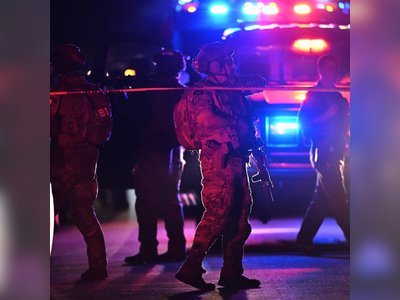
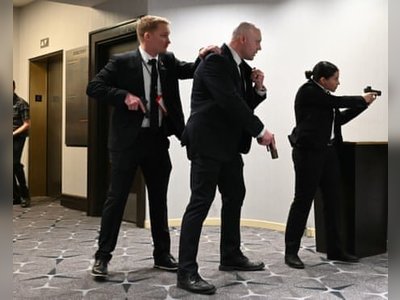
Security planning for state visits is structured around layered risk assessment rather than reaction to isolated online claims.
Host nations and visiting delegations coordinate through established diplomatic protection frameworks, which include intelligence monitoring, physical security deployment, and scenario planning for both credible threats and general public disruption risks.
These systems are designed to distinguish between verified intelligence and unsubstantiated narratives.
Claims of planned embarrassment campaigns typically fall into a category of information that security services treat cautiously but do not act upon without corroboration.
In practice, agencies evaluate intent, capability, and credible sourcing before any operational changes are made.
No such verified indicators have been publicly identified in relation to the current allegations.
The emergence of these narratives reflects a broader environment in which high-profile international events become focal points for speculation.
Digital platforms can amplify loosely sourced claims, often stripping them of context or verification.
This creates a feedback loop where visibility itself is mistaken for credibility, even in the absence of supporting evidence.
The implications extend beyond the specific allegation.
Persistent circulation of unverified claims around diplomatic visits can complicate public understanding of actual security conditions, increase noise for law enforcement monitoring systems, and contribute to confusion about what constitutes a real versus perceived threat.
For official institutions, the operational response remains unchanged unless credible intelligence is presented.
Security protocols for state visits are designed to absorb both legitimate threats and informational distortions without disrupting diplomatic schedules.
That separation between intelligence-led assessment and public speculation is central to maintaining continuity of international engagements.
As it stands, the confirmed position is that no verified plot has been established, and standard security coordination continues to govern planning for high-level visits, with attention focused on substantiated risks rather than uncorroborated online narratives.
What is confirmed is that no publicly verified evidence has established the existence of any coordinated plot targeting the visit, and no official security agency has confirmed such a threat.
The key issue is how narratives of disruption emerge around high-profile diplomatic events.
State visits by senior royals and heads of state routinely attract heightened attention, including speculation, online claims, and unverified allegations that circulate rapidly across social platforms.
In this case, the claim of a “secret plot” appears in that broader pattern, where political symbolism and public visibility make such events frequent targets for misinformation.
Security planning for state visits is structured around layered risk assessment rather than reaction to isolated online claims.
Host nations and visiting delegations coordinate through established diplomatic protection frameworks, which include intelligence monitoring, physical security deployment, and scenario planning for both credible threats and general public disruption risks.
These systems are designed to distinguish between verified intelligence and unsubstantiated narratives.
Claims of planned embarrassment campaigns typically fall into a category of information that security services treat cautiously but do not act upon without corroboration.
In practice, agencies evaluate intent, capability, and credible sourcing before any operational changes are made.
No such verified indicators have been publicly identified in relation to the current allegations.
The emergence of these narratives reflects a broader environment in which high-profile international events become focal points for speculation.
Digital platforms can amplify loosely sourced claims, often stripping them of context or verification.
This creates a feedback loop where visibility itself is mistaken for credibility, even in the absence of supporting evidence.
The implications extend beyond the specific allegation.
Persistent circulation of unverified claims around diplomatic visits can complicate public understanding of actual security conditions, increase noise for law enforcement monitoring systems, and contribute to confusion about what constitutes a real versus perceived threat.
For official institutions, the operational response remains unchanged unless credible intelligence is presented.
Security protocols for state visits are designed to absorb both legitimate threats and informational distortions without disrupting diplomatic schedules.
That separation between intelligence-led assessment and public speculation is central to maintaining continuity of international engagements.
As it stands, the confirmed position is that no verified plot has been established, and standard security coordination continues to govern planning for high-level visits, with attention focused on substantiated risks rather than uncorroborated online narratives.