White HouseSenateThe HouseSupreme CourtFederal ReserveDOJState DepartmentTreasuryCensusBudget OfficeTrade Representative
WashingTone
Informed by Washington, Defined by Insight
Monday, Apr 27, 2026
WashingTone

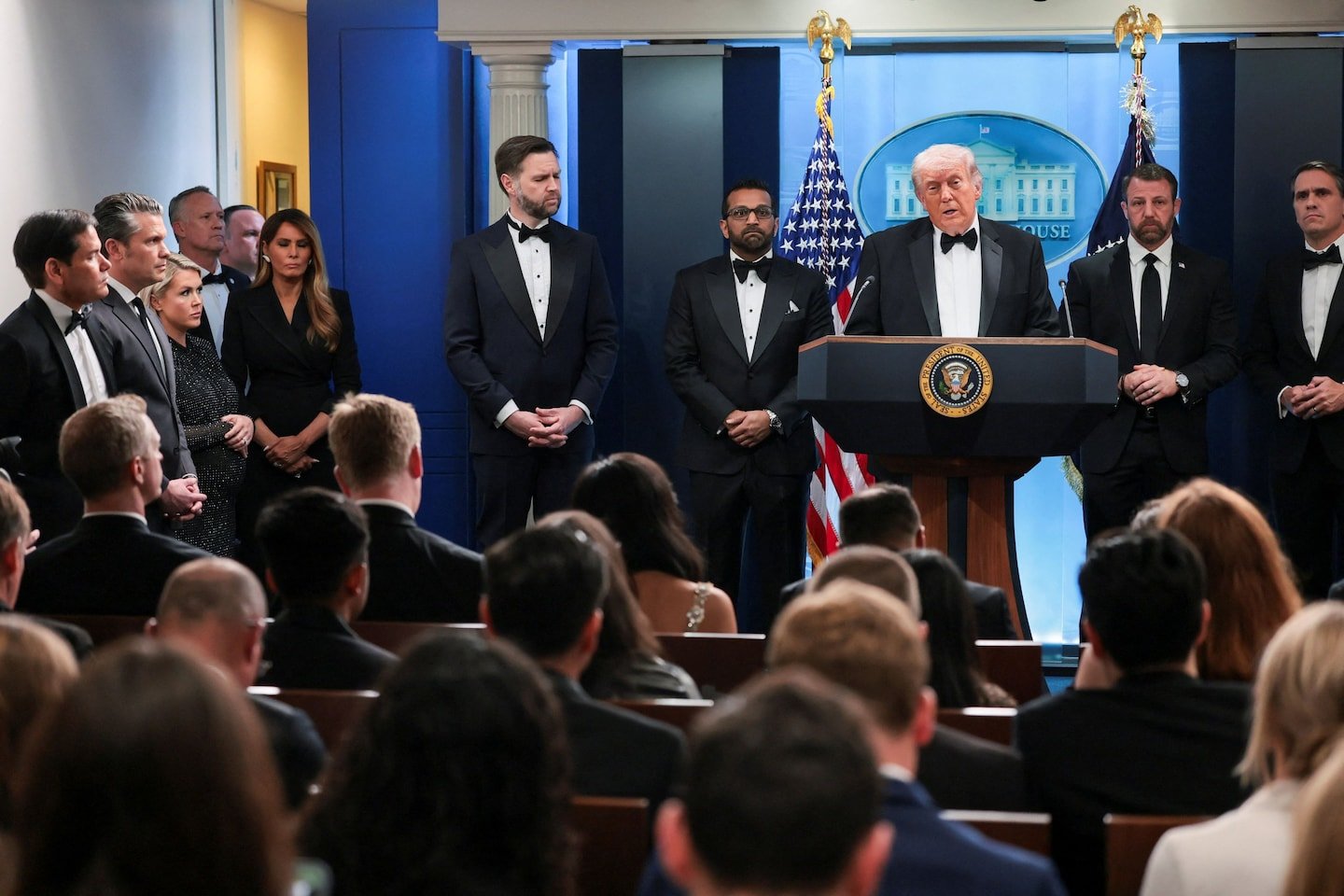
White House ballroom push intensifies after shooting at Washington dinner exposes security gaps
A gunman’s attack at the White House Correspondents’ Dinner triggered evacuations and immediate political efforts by Donald Trump and allies to justify a long-contested White House ballroom project framed as a security upgrade
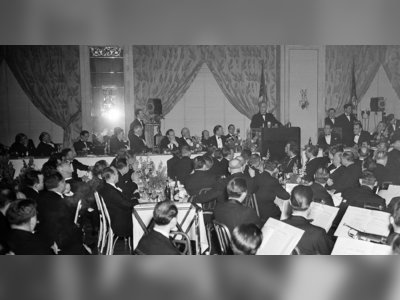
A security-driven political debate over the White House’s physical infrastructure escalated after a gunman opened fire at the Washington Hilton during the White House Correspondents’ Dinner, an annual media and political gathering attended by top U.S. officials, including President Donald Trump.
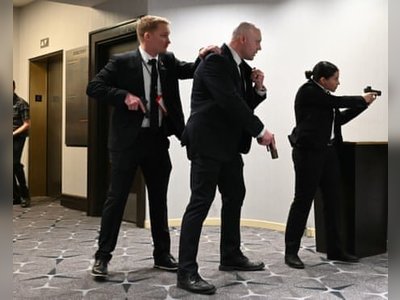
The incident led to the rapid evacuation of the president, the vice president, cabinet members, and hundreds of guests, while one Secret Service agent was injured but survived due to protective gear.
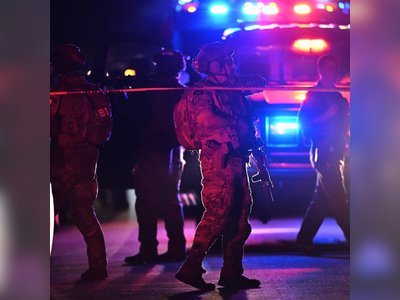
What is confirmed is that the attacker breached an external security checkpoint at the hotel, carrying multiple weapons, before being intercepted by Secret Service agents.
Law enforcement quickly detained the suspect on site, and officials later indicated he acted alone.
The dinner venue was cleared amid chaos, and the event was subsequently postponed.
In the hours that followed, Trump and senior allies framed the attack as direct evidence of vulnerabilities in holding major government-related events in private, off-site venues.
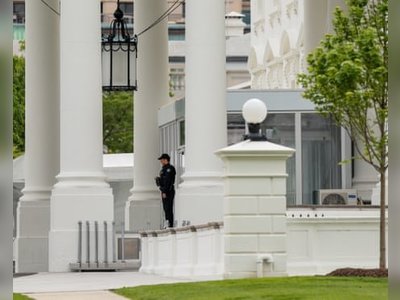
Their central argument focused on a long-promoted plan to construct a large White House ballroom designed to host state functions and major gatherings within the secure perimeter of the presidential complex.
Trump described the hotel venue as insufficiently secure and argued that a purpose-built facility on White House grounds would incorporate reinforced structural protections, including ballistic-resistant materials and advanced perimeter security systems.
Supporters of the project echoed this framing, arguing that the attack underscored the risks of large-scale presidential events held in commercial venues open to the public.
The ballroom proposal itself is already the subject of an ongoing legal and political dispute.
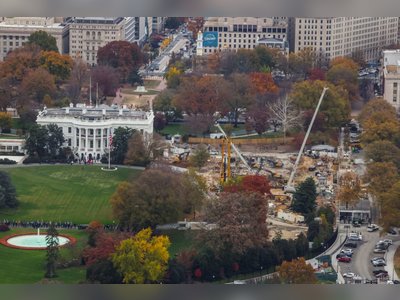
The project, estimated at roughly four hundred million dollars and partially built on the site of a former White House annex, has faced challenges from preservation groups and questions about whether congressional authorization is required.
Construction has been partially halted by court rulings, though legal appeals have allowed limited continuation under specific security exemptions.
Opponents of the project argue that the administration is leveraging a violent incident to justify a structurally and politically controversial redevelopment of the White House complex.
Supporters counter that the attack demonstrates real-world security risks that strengthen the case for consolidating high-profile events within a controlled federal compound rather than external venues.
The attack has also prompted renewed scrutiny of event security protocols for major political gatherings in Washington.
Investigators are reviewing how the suspect was able to approach the venue with multiple weapons despite layered screening procedures.
Officials have emphasized that the Secret Service response prevented further casualties and contained the situation within minutes.
The broader consequence of the incident is a rapid shift in the political trajectory of the White House ballroom project.
What had been a slow-moving infrastructure and legal dispute has now become tightly linked to questions of presidential security, with allies of the administration moving to accelerate approvals and reduce legal obstacles.
The outcome of that push is now likely to shape both the future of the project and how high-level political events in Washington are secured and hosted.
The incident led to the rapid evacuation of the president, the vice president, cabinet members, and hundreds of guests, while one Secret Service agent was injured but survived due to protective gear.
What is confirmed is that the attacker breached an external security checkpoint at the hotel, carrying multiple weapons, before being intercepted by Secret Service agents.
Law enforcement quickly detained the suspect on site, and officials later indicated he acted alone.
The dinner venue was cleared amid chaos, and the event was subsequently postponed.
In the hours that followed, Trump and senior allies framed the attack as direct evidence of vulnerabilities in holding major government-related events in private, off-site venues.
Their central argument focused on a long-promoted plan to construct a large White House ballroom designed to host state functions and major gatherings within the secure perimeter of the presidential complex.
Trump described the hotel venue as insufficiently secure and argued that a purpose-built facility on White House grounds would incorporate reinforced structural protections, including ballistic-resistant materials and advanced perimeter security systems.
Supporters of the project echoed this framing, arguing that the attack underscored the risks of large-scale presidential events held in commercial venues open to the public.
The ballroom proposal itself is already the subject of an ongoing legal and political dispute.
The project, estimated at roughly four hundred million dollars and partially built on the site of a former White House annex, has faced challenges from preservation groups and questions about whether congressional authorization is required.
Construction has been partially halted by court rulings, though legal appeals have allowed limited continuation under specific security exemptions.
Opponents of the project argue that the administration is leveraging a violent incident to justify a structurally and politically controversial redevelopment of the White House complex.
Supporters counter that the attack demonstrates real-world security risks that strengthen the case for consolidating high-profile events within a controlled federal compound rather than external venues.
The attack has also prompted renewed scrutiny of event security protocols for major political gatherings in Washington.
Investigators are reviewing how the suspect was able to approach the venue with multiple weapons despite layered screening procedures.
Officials have emphasized that the Secret Service response prevented further casualties and contained the situation within minutes.
The broader consequence of the incident is a rapid shift in the political trajectory of the White House ballroom project.
What had been a slow-moving infrastructure and legal dispute has now become tightly linked to questions of presidential security, with allies of the administration moving to accelerate approvals and reduce legal obstacles.
The outcome of that push is now likely to shape both the future of the project and how high-level political events in Washington are secured and hosted.