White HouseSenateThe HouseSupreme CourtFederal ReserveDOJState DepartmentTreasuryCensusBudget OfficeTrade Representative
WashingTone
Informed by Washington, Defined by Insight
Monday, Apr 27, 2026
WashingTone

White House Correspondents’ Dinner: A Celebrated Washington Institution Confronts Security Shock and Political Scrutiny
The 2026 edition of the annual press gala—long a symbolic meeting point between U.S. presidents and the media—was disrupted by an armed security breach, raising questions about protection, political symbolism, and the future of the event.
SYSTEM-DRIVEN
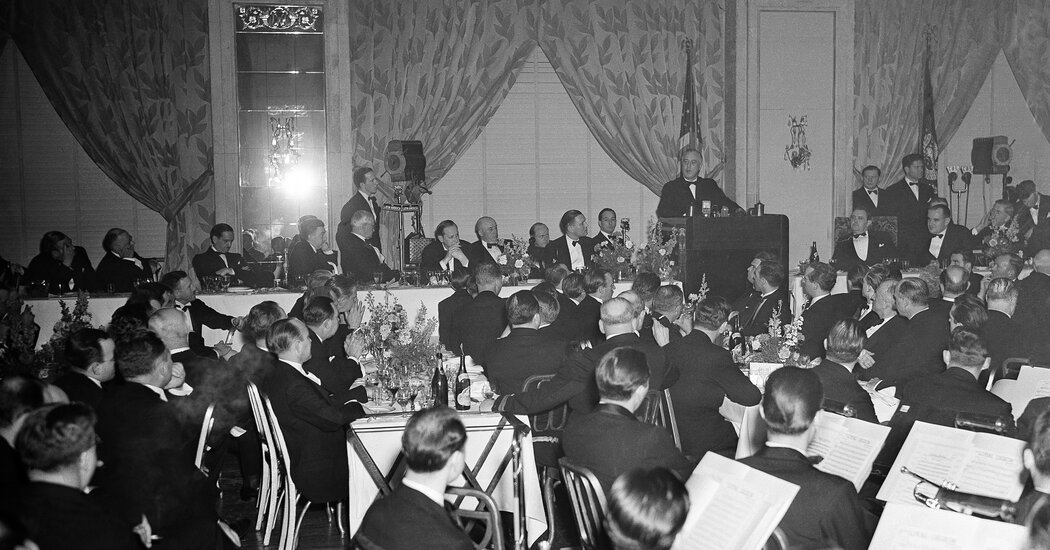
The White House Correspondents’ Dinner is an annual Washington event organized by the White House Correspondents’ Association, a press body representing journalists covering the U.S. presidency.
First held in 1921, it has evolved into a high-profile gathering that brings together the president, senior officials, and members of the press to mark the role of journalism in American democracy.
The 2026 edition, held at the Washington Hilton, reflected both the scale and political weight the event now carries.
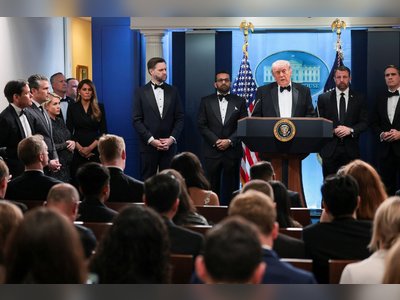
Around 2,600 attendees were present, including President Donald Trump, Vice President JD Vance, senior cabinet members, and leading figures from law enforcement and national security agencies.
The program featured entertainment and formal remarks, continuing the tradition of blending political engagement with media self-reflection.
What is confirmed is that the event was disrupted by a serious security breach involving an armed individual who attempted to access the venue.
The incident unfolded inside the broader hotel complex and triggered an immediate law enforcement response.
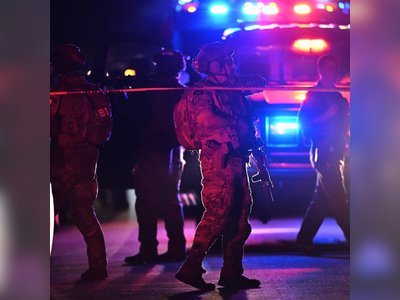
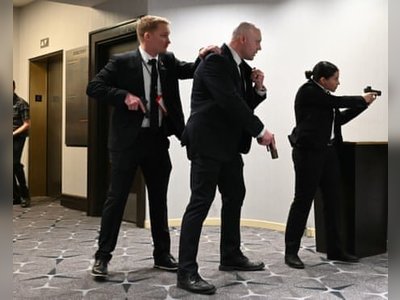
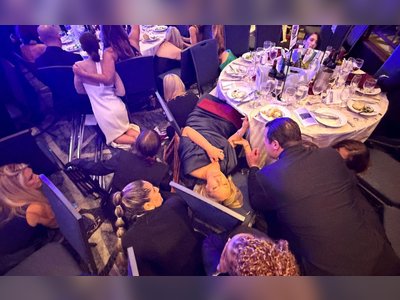
Secret Service personnel and police secured the ballroom, evacuated or sheltered attendees, and engaged the suspect, who was subsequently taken into custody.
One federal agent was injured during the confrontation.
The presence of multiple senior government officials in a single location elevated the security significance of the gathering.
The event had been described by security professionals as operating at a level approaching a national security-designated gathering, even though it did not formally receive that classification.
That distinction is central: without such designation, coordination across agencies and perimeter security measures are more limited, relying heavily on venue-level controls and standard federal protection for principals.
The dinner was ultimately canceled or cut short following the incident.
President Trump was evacuated and later confirmed to be safe.
Officials later indicated that the suspect acted alone and faced federal charges related to the use of a firearm during a violent act and assault on a federal officer.
Beyond the immediate law enforcement response, the event has intensified debate over how high-profile political-media gatherings are secured in the United States.
Critics and lawmakers have pointed to gaps in access control outside the main ballroom and questioned whether current protocols are adequate when top officials, including the president, are concentrated in a non-government venue.
Supporters of enhanced security have argued that future editions may require either stronger federal designation or relocation to more controlled facilities.
At the same time, political implications have emerged.
The incident has been used by some officials to renew calls for a more secure, purpose-built venue for presidential engagements with the press.
Others have raised concerns about how increased security and potential White House hosting arrangements could alter the independence and symbolic separation between the executive branch and the press corps.
The White House Correspondents’ Dinner remains a rare institutional space where political power and the media establishment intersect in a single public setting.
The 2026 disruption has placed that tradition under pressure, forcing renewed attention on how such events can be maintained safely without fundamentally changing their function or accessibility.
The White House Correspondents’ Dinner is an annual Washington event organized by the White House Correspondents’ Association, a press body representing journalists covering the U.S. presidency.
First held in 1921, it has evolved into a high-profile gathering that brings together the president, senior officials, and members of the press to mark the role of journalism in American democracy.
The 2026 edition, held at the Washington Hilton, reflected both the scale and political weight the event now carries.
Around 2,600 attendees were present, including President Donald Trump, Vice President JD Vance, senior cabinet members, and leading figures from law enforcement and national security agencies.
The program featured entertainment and formal remarks, continuing the tradition of blending political engagement with media self-reflection.
What is confirmed is that the event was disrupted by a serious security breach involving an armed individual who attempted to access the venue.
The incident unfolded inside the broader hotel complex and triggered an immediate law enforcement response.
Secret Service personnel and police secured the ballroom, evacuated or sheltered attendees, and engaged the suspect, who was subsequently taken into custody.
One federal agent was injured during the confrontation.
The presence of multiple senior government officials in a single location elevated the security significance of the gathering.
The event had been described by security professionals as operating at a level approaching a national security-designated gathering, even though it did not formally receive that classification.
That distinction is central: without such designation, coordination across agencies and perimeter security measures are more limited, relying heavily on venue-level controls and standard federal protection for principals.
The dinner was ultimately canceled or cut short following the incident.
President Trump was evacuated and later confirmed to be safe.
Officials later indicated that the suspect acted alone and faced federal charges related to the use of a firearm during a violent act and assault on a federal officer.
Beyond the immediate law enforcement response, the event has intensified debate over how high-profile political-media gatherings are secured in the United States.
Critics and lawmakers have pointed to gaps in access control outside the main ballroom and questioned whether current protocols are adequate when top officials, including the president, are concentrated in a non-government venue.
Supporters of enhanced security have argued that future editions may require either stronger federal designation or relocation to more controlled facilities.
At the same time, political implications have emerged.
The incident has been used by some officials to renew calls for a more secure, purpose-built venue for presidential engagements with the press.
Others have raised concerns about how increased security and potential White House hosting arrangements could alter the independence and symbolic separation between the executive branch and the press corps.
The White House Correspondents’ Dinner remains a rare institutional space where political power and the media establishment intersect in a single public setting.
The 2026 disruption has placed that tradition under pressure, forcing renewed attention on how such events can be maintained safely without fundamentally changing their function or accessibility.