White HouseSenateThe HouseSupreme CourtFederal ReserveDOJState DepartmentTreasuryCensusBudget OfficeTrade Representative
WashingTone
Informed by Washington, Defined by Insight
Monday, Apr 27, 2026
WashingTone

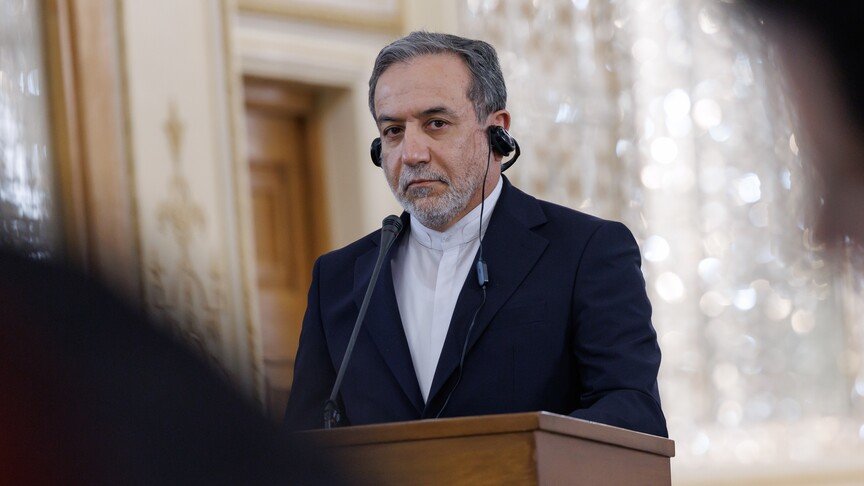
Iran, Qatar and Saudi Arabia Explore Ceasefire Pathways in US-Linked Diplomatic Push
Regional powers engage in high-level talks aimed at reducing escalation risks amid ongoing Middle East tensions and indirect US involvement
Actor-driven diplomacy has brought together senior officials from Iran, Qatar, and Saudi Arabia in discussions focused on de-escalation and potential ceasefire frameworks, with the United States playing an indirect but influential role in the broader diplomatic environment.
What is confirmed is that top-level diplomatic contacts have taken place among these regional actors, centered on managing escalating regional tensions and exploring pathways toward reduced military confrontation.
The involvement of Qatar as a mediator reflects its established role as an intermediary in regional negotiations involving Iran, the United States, and Gulf Arab states.
Saudi Arabia’s participation signals continued strategic recalibration in its regional posture.
After years of direct geopolitical rivalry with Iran, Riyadh has in recent periods engaged in cautious diplomatic normalization efforts aimed at reducing direct confrontation risks and stabilizing regional security conditions, particularly in the Gulf.
Iran’s engagement in such talks reflects parallel strategic calculations.
Facing sustained economic pressure and regional security challenges, Tehran has maintained interest in reducing the risk of broader military escalation while preserving influence across regional theaters where it maintains aligned non-state partners.
The United States’ role in this context is primarily indirect, shaped by its security commitments in the region and its influence over Gulf state policy coordination.
While not necessarily a direct party in all diplomatic formats, US positions on escalation, sanctions, and regional security architecture remain a central factor shaping negotiation dynamics.
The key issue at stake is whether these discussions can translate into a durable reduction in regional tensions or whether they remain limited to short-term crisis management.
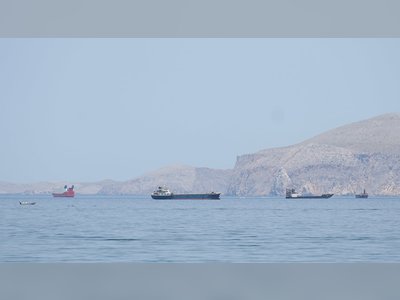
The broader geopolitical environment remains defined by overlapping conflicts, including maritime security risks, proxy confrontations, and periodic military exchanges involving aligned groups across multiple theaters.
If sustained, such diplomatic engagement could contribute to stabilizing energy markets, reducing risks to shipping routes, and lowering the probability of direct interstate conflict.
However, the structural mistrust between key actors and the fragmented nature of regional conflicts continue to limit the scope of any immediate comprehensive settlement.
The current diplomatic track reflects a pragmatic recognition among regional powers that unmanaged escalation carries significant economic and security costs, even as competing strategic interests prevent rapid resolution of underlying disputes.
What is confirmed is that top-level diplomatic contacts have taken place among these regional actors, centered on managing escalating regional tensions and exploring pathways toward reduced military confrontation.
The involvement of Qatar as a mediator reflects its established role as an intermediary in regional negotiations involving Iran, the United States, and Gulf Arab states.
Saudi Arabia’s participation signals continued strategic recalibration in its regional posture.
After years of direct geopolitical rivalry with Iran, Riyadh has in recent periods engaged in cautious diplomatic normalization efforts aimed at reducing direct confrontation risks and stabilizing regional security conditions, particularly in the Gulf.
Iran’s engagement in such talks reflects parallel strategic calculations.
Facing sustained economic pressure and regional security challenges, Tehran has maintained interest in reducing the risk of broader military escalation while preserving influence across regional theaters where it maintains aligned non-state partners.
The United States’ role in this context is primarily indirect, shaped by its security commitments in the region and its influence over Gulf state policy coordination.
While not necessarily a direct party in all diplomatic formats, US positions on escalation, sanctions, and regional security architecture remain a central factor shaping negotiation dynamics.
The key issue at stake is whether these discussions can translate into a durable reduction in regional tensions or whether they remain limited to short-term crisis management.
The broader geopolitical environment remains defined by overlapping conflicts, including maritime security risks, proxy confrontations, and periodic military exchanges involving aligned groups across multiple theaters.
If sustained, such diplomatic engagement could contribute to stabilizing energy markets, reducing risks to shipping routes, and lowering the probability of direct interstate conflict.
However, the structural mistrust between key actors and the fragmented nature of regional conflicts continue to limit the scope of any immediate comprehensive settlement.
The current diplomatic track reflects a pragmatic recognition among regional powers that unmanaged escalation carries significant economic and security costs, even as competing strategic interests prevent rapid resolution of underlying disputes.