White HouseSenateThe HouseSupreme CourtFederal ReserveDOJState DepartmentTreasuryCensusBudget OfficeTrade Representative
WashingTone
Informed by Washington, Defined by Insight
Monday, Apr 27, 2026
WashingTone

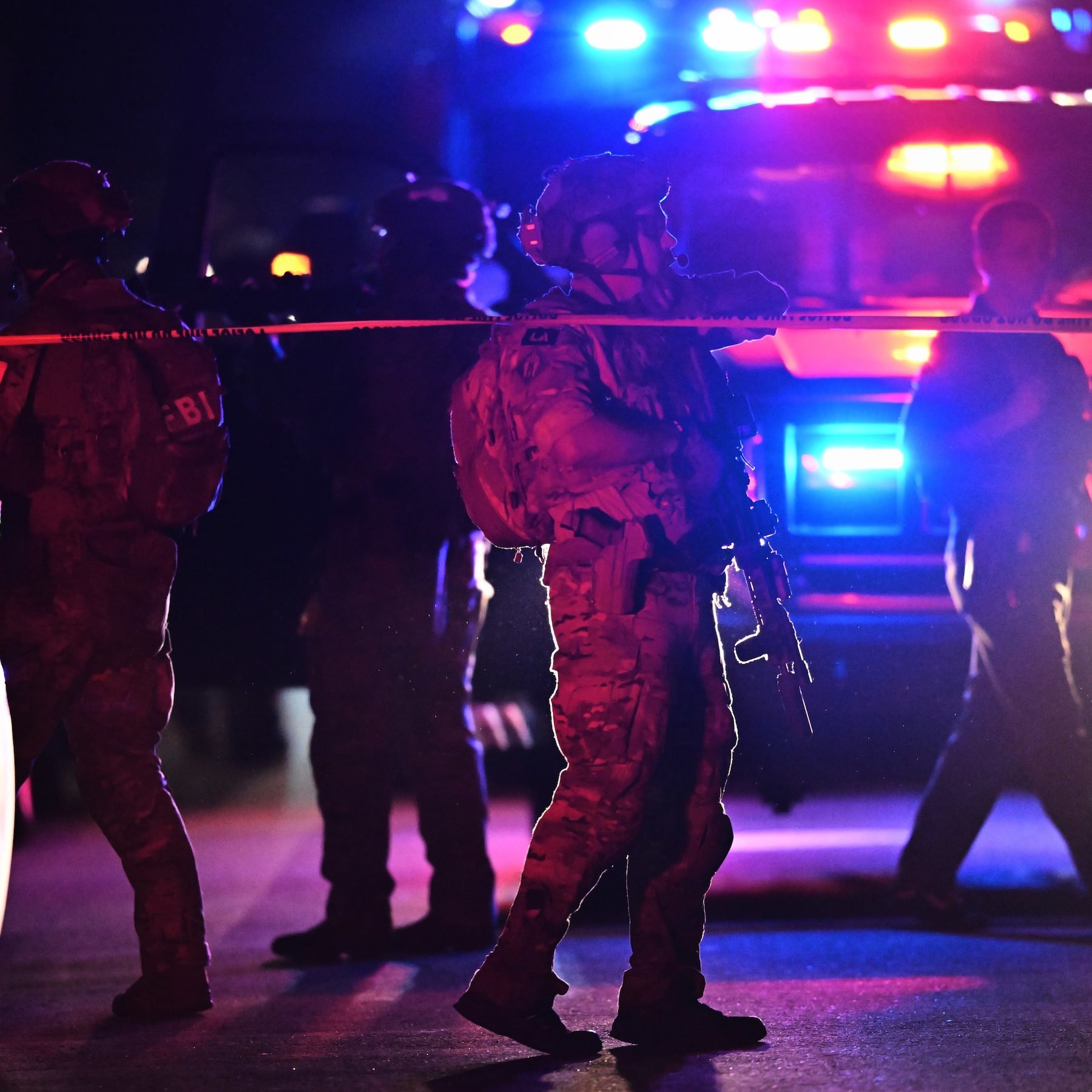
Suspect in Washington Correspondents’ Dinner shooting called himself ‘Friendly Federal Assassin’
Investigators say the attacker sent a pre-attack message framing himself as an ideological actor, as authorities probe motive, security failures, and political intent behind the assault on a high-profile US political event.
ACTOR-DRIVEN — the story is fundamentally defined by the identity, intent, and ideological framing of the suspect, rather than the mechanics of the security breach itself.
A shooting outside the White House Correspondents’ Dinner in Washington has developed into a major federal investigation after authorities identified the suspect as a 31-year-old man from California who allegedly described himself in written communications as a “friendly federal assassin.” What is confirmed is that the suspect sent messages to family members shortly before the attack, and those writings are now central to understanding motive.
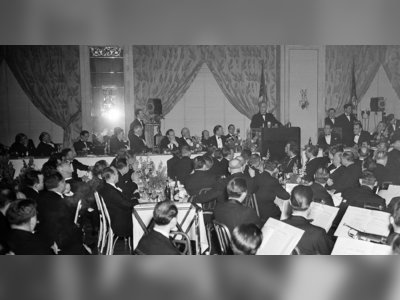
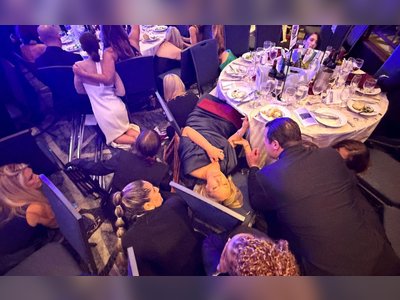
The incident took place at the Washington Hilton, where journalists, political figures, and senior US officials had gathered for the annual event.
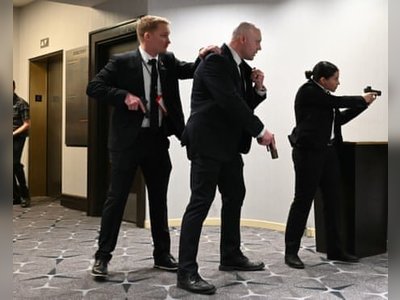
The suspect, reportedly armed with multiple weapons including a shotgun, handgun, and knives, attempted to breach a security checkpoint near the ballroom area.
A Secret Service agent was injured during the confrontation but survived due to protective gear.
The attacker was detained at the scene after being subdued by security personnel.
In the writings recovered by investigators, the suspect expressed anger toward US government policies and framed his actions in ideological terms.
He referred to himself as a “friendly federal assassin,” a phrase that has become central to the investigation.
Authorities have also confirmed that the messages included political grievances directed at the current administration, suggesting a politically motivated intent, though officials have not publicly finalized a legal classification of motive.
Law enforcement agencies are treating the attack as an attempted targeted assault on a high-profile political environment.
Early assessments indicate the suspect acted alone, with no confirmed evidence of coordination with others.
Investigators are analyzing digital records, travel history, and communications to determine how the planning developed and whether warning signs were missed.
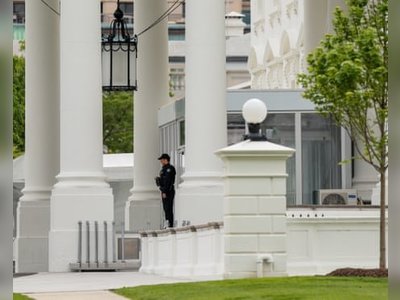
The security breach has intensified scrutiny of protective protocols surrounding major political gatherings in Washington.
The ability of an armed individual to reach proximity to a secured event involving senior officials has raised questions about screening procedures, hotel security integration, and intelligence sharing between agencies responsible for event protection.
Political reaction has been immediate and unified in condemning the attack.
The incident has reinforced concerns about escalating political violence in the United States, where previous threats against public officials and high-profile institutions have already driven increased security spending and operational changes in federal protective services.
The suspect now faces federal charges related to assault on a federal officer and use of a firearm during a violent crime, with additional charges expected as the investigation expands.
Prosecutors are preparing a case built around both the physical attack and the written material attributed to him, which investigators say will be key to establishing intent.
The shooting has not disrupted the functioning of government institutions, but it has already triggered a review of security arrangements for future political events, signaling tighter perimeter controls and expanded federal coordination around public-facing gatherings involving national leadership.
A shooting outside the White House Correspondents’ Dinner in Washington has developed into a major federal investigation after authorities identified the suspect as a 31-year-old man from California who allegedly described himself in written communications as a “friendly federal assassin.” What is confirmed is that the suspect sent messages to family members shortly before the attack, and those writings are now central to understanding motive.
The incident took place at the Washington Hilton, where journalists, political figures, and senior US officials had gathered for the annual event.
The suspect, reportedly armed with multiple weapons including a shotgun, handgun, and knives, attempted to breach a security checkpoint near the ballroom area.
A Secret Service agent was injured during the confrontation but survived due to protective gear.
The attacker was detained at the scene after being subdued by security personnel.
In the writings recovered by investigators, the suspect expressed anger toward US government policies and framed his actions in ideological terms.
He referred to himself as a “friendly federal assassin,” a phrase that has become central to the investigation.
Authorities have also confirmed that the messages included political grievances directed at the current administration, suggesting a politically motivated intent, though officials have not publicly finalized a legal classification of motive.
Law enforcement agencies are treating the attack as an attempted targeted assault on a high-profile political environment.
Early assessments indicate the suspect acted alone, with no confirmed evidence of coordination with others.
Investigators are analyzing digital records, travel history, and communications to determine how the planning developed and whether warning signs were missed.
The security breach has intensified scrutiny of protective protocols surrounding major political gatherings in Washington.
The ability of an armed individual to reach proximity to a secured event involving senior officials has raised questions about screening procedures, hotel security integration, and intelligence sharing between agencies responsible for event protection.
Political reaction has been immediate and unified in condemning the attack.
The incident has reinforced concerns about escalating political violence in the United States, where previous threats against public officials and high-profile institutions have already driven increased security spending and operational changes in federal protective services.
The suspect now faces federal charges related to assault on a federal officer and use of a firearm during a violent crime, with additional charges expected as the investigation expands.
Prosecutors are preparing a case built around both the physical attack and the written material attributed to him, which investigators say will be key to establishing intent.
The shooting has not disrupted the functioning of government institutions, but it has already triggered a review of security arrangements for future political events, signaling tighter perimeter controls and expanded federal coordination around public-facing gatherings involving national leadership.