White HouseSenateThe HouseSupreme CourtFederal ReserveDOJState DepartmentTreasuryCensusBudget OfficeTrade Representative
WashingTone
Informed by Washington, Defined by Insight
Tuesday, Apr 28, 2026
WashingTone

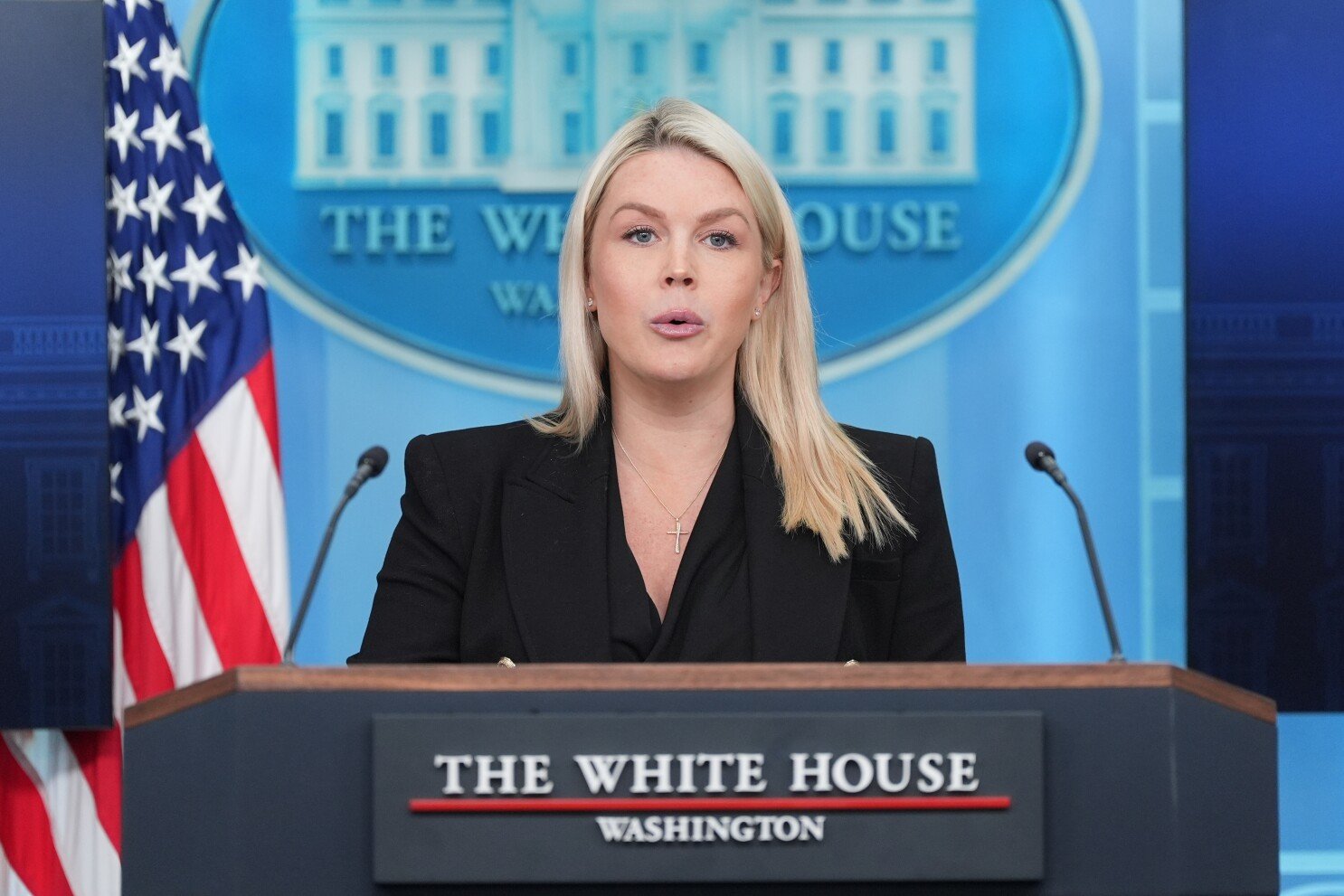
White House Spokesperson Escalates Criticism of Democratic Rhetoric After Washington Dinner Shooting
Following the security breach at a high-profile political media dinner, Karoline Leavitt publicly linked Democratic messaging to the broader climate surrounding the attack, intensifying partisan fallout as investigations continue.
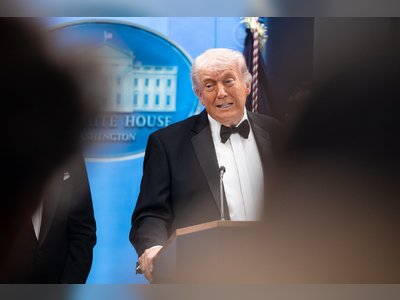
An escalating political response from the White House has followed a shooting incident at a Washington political media dinner, with administration spokesperson Karoline Leavitt publicly criticizing Democratic rhetoric in the aftermath of the attack.
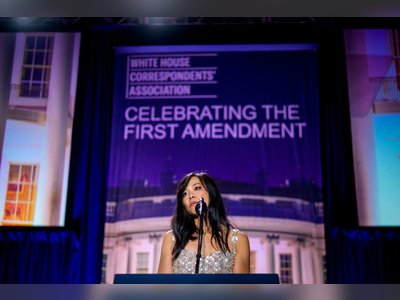
What is confirmed is that Leavitt addressed the incident in public remarks after the shooting, which occurred at a high-security political gathering in Washington attended by journalists, political figures, and invited guests.
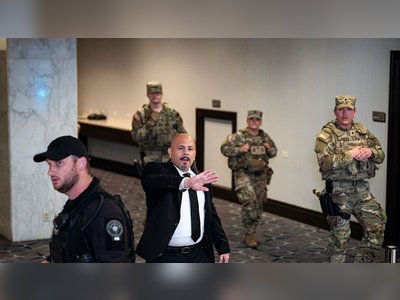
The incident triggered an immediate security response and an ongoing federal investigation into how the attacker was able to breach controlled access protocols.
The key issue now is the rapid transition from a security and criminal investigation into a broader political dispute over responsibility and public discourse.
Leavitt’s comments framed the attack within a wider context of partisan rhetoric, arguing that political messaging from Democratic figures contributes to an environment of hostility.
The shooting itself remains the subject of a separate investigative process led by federal law enforcement agencies, which are examining how the suspect accessed the venue, what security failures may have occurred, and whether there were prior indicators of risk.
That inquiry focuses on physical security breakdowns, not political attribution.
Leavitt’s remarks place emphasis on the role of language in shaping public sentiment, arguing that sustained political criticism and media framing can contribute to escalating tensions.
This interpretation aligns with a broader pattern in which political violence in the United States is frequently followed by competing narratives over causation and responsibility.
Critics of such framing argue that it risks diverting attention from immediate operational failures in security systems and from the individual accountability of the attacker.
They also warn that attributing violence to broad political rhetoric can intensify polarization rather than reduce it.
The White House response highlights a recurring dynamic in American political communication: the rapid integration of violent incidents into partisan discourse before investigative findings are complete.
This creates parallel tracks—one judicial and procedural, the other political and rhetorical.
Security analysts emphasize that the underlying investigation will determine whether failures occurred in screening, perimeter control, or intelligence sharing.
Those findings will shape institutional responses, including potential changes to how high-profile political events are secured in Washington.
As both the investigation and political debate continue, the incident has become a focal point for broader tensions over speech, responsibility, and political violence in the United States.
What is confirmed is that Leavitt addressed the incident in public remarks after the shooting, which occurred at a high-security political gathering in Washington attended by journalists, political figures, and invited guests.
The incident triggered an immediate security response and an ongoing federal investigation into how the attacker was able to breach controlled access protocols.
The key issue now is the rapid transition from a security and criminal investigation into a broader political dispute over responsibility and public discourse.
Leavitt’s comments framed the attack within a wider context of partisan rhetoric, arguing that political messaging from Democratic figures contributes to an environment of hostility.
The shooting itself remains the subject of a separate investigative process led by federal law enforcement agencies, which are examining how the suspect accessed the venue, what security failures may have occurred, and whether there were prior indicators of risk.
That inquiry focuses on physical security breakdowns, not political attribution.
Leavitt’s remarks place emphasis on the role of language in shaping public sentiment, arguing that sustained political criticism and media framing can contribute to escalating tensions.
This interpretation aligns with a broader pattern in which political violence in the United States is frequently followed by competing narratives over causation and responsibility.
Critics of such framing argue that it risks diverting attention from immediate operational failures in security systems and from the individual accountability of the attacker.
They also warn that attributing violence to broad political rhetoric can intensify polarization rather than reduce it.
The White House response highlights a recurring dynamic in American political communication: the rapid integration of violent incidents into partisan discourse before investigative findings are complete.
This creates parallel tracks—one judicial and procedural, the other political and rhetorical.
Security analysts emphasize that the underlying investigation will determine whether failures occurred in screening, perimeter control, or intelligence sharing.
Those findings will shape institutional responses, including potential changes to how high-profile political events are secured in Washington.
As both the investigation and political debate continue, the incident has become a focal point for broader tensions over speech, responsibility, and political violence in the United States.