White HouseSenateThe HouseSupreme CourtFederal ReserveDOJState DepartmentTreasuryCensusBudget OfficeTrade Representative
WashingTone
Informed by Washington, Defined by Insight
Tuesday, Apr 28, 2026
WashingTone

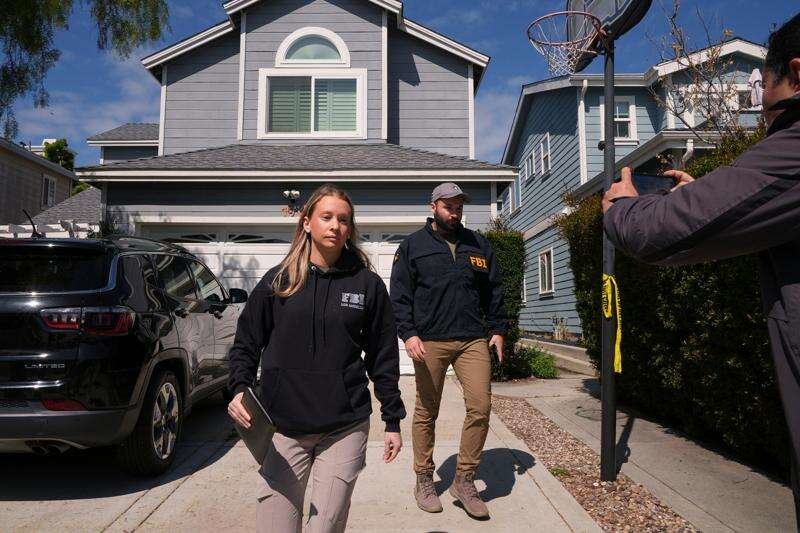
Suspect in Washington Media Dinner Attack Identified as California Tutor and Computer Engineer
Authorities say the accused attacker worked in education and tech, as investigators piece together his background following the security breach at a high-profile Washington political event.
The investigation into an attack at a Washington political media dinner has shifted toward the identity and background of the accused individual, whom authorities have identified as a California-based tutor and computer engineer.
What is confirmed is that law enforcement has publicly linked the suspect to a professional background spanning both education and software engineering.
The identification forms part of an ongoing federal investigation into the security breach that occurred at a major Washington political gathering attended by journalists and public officials.
The key issue now is the reconstruction of the suspect’s profile and possible pathway to the incident.
Investigators are examining how an individual with no publicly established senior security or military background was able to reach a restricted area at a high-security event before being stopped.
At this stage, officials have not released a full account of motive or ideological framing tied to the suspect’s actions.
The focus remains on establishing intent through digital records, travel history, communications, and any prior interactions with law enforcement or security systems.
The suspect’s background as a tutor and computer engineer is significant to investigators because it places him within a category of technically skilled civilian professionals rather than individuals with known histories of organized violence.
However, no conclusions have been made publicly about how or whether his professional experience relates to the incident.
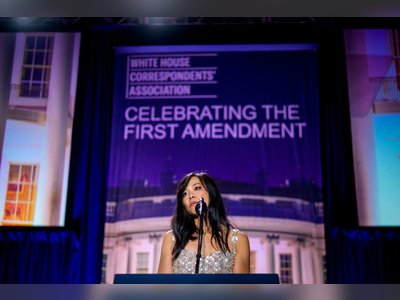
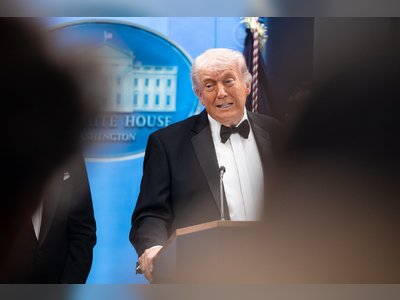
The attack itself occurred during a tightly controlled political media dinner in Washington, an event that routinely includes heightened security due to the presence of senior political figures and national media organizations.
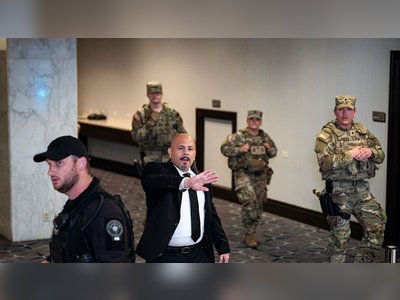
The breach has prompted renewed scrutiny of access control procedures, screening effectiveness, and the physical security layering used at elite political gatherings.
Security agencies are now conducting parallel reviews: one focused on the individual pathway of the suspect leading up to the incident, and another examining systemic vulnerabilities in venue security protocols.
This includes how the suspect approached the venue, how screening checkpoints were navigated, and where breakdowns occurred in perimeter enforcement.
The broader implications extend beyond a single incident.
High-profile political events in the United States rely on overlapping federal and private security arrangements, and any breach at this level raises immediate questions about coordination, staffing density, and real-time threat detection.
As the case moves forward, the suspect’s professional history is expected to remain a central element of the investigation, particularly as authorities attempt to determine whether the attack was planned independently or influenced by external factors.
For now, the case remains focused on establishing a verified timeline and intent based on forensic and digital evidence.
What is confirmed is that law enforcement has publicly linked the suspect to a professional background spanning both education and software engineering.
The identification forms part of an ongoing federal investigation into the security breach that occurred at a major Washington political gathering attended by journalists and public officials.
The key issue now is the reconstruction of the suspect’s profile and possible pathway to the incident.
Investigators are examining how an individual with no publicly established senior security or military background was able to reach a restricted area at a high-security event before being stopped.
At this stage, officials have not released a full account of motive or ideological framing tied to the suspect’s actions.
The focus remains on establishing intent through digital records, travel history, communications, and any prior interactions with law enforcement or security systems.
The suspect’s background as a tutor and computer engineer is significant to investigators because it places him within a category of technically skilled civilian professionals rather than individuals with known histories of organized violence.
However, no conclusions have been made publicly about how or whether his professional experience relates to the incident.
The attack itself occurred during a tightly controlled political media dinner in Washington, an event that routinely includes heightened security due to the presence of senior political figures and national media organizations.
The breach has prompted renewed scrutiny of access control procedures, screening effectiveness, and the physical security layering used at elite political gatherings.
Security agencies are now conducting parallel reviews: one focused on the individual pathway of the suspect leading up to the incident, and another examining systemic vulnerabilities in venue security protocols.
This includes how the suspect approached the venue, how screening checkpoints were navigated, and where breakdowns occurred in perimeter enforcement.
The broader implications extend beyond a single incident.
High-profile political events in the United States rely on overlapping federal and private security arrangements, and any breach at this level raises immediate questions about coordination, staffing density, and real-time threat detection.
As the case moves forward, the suspect’s professional history is expected to remain a central element of the investigation, particularly as authorities attempt to determine whether the attack was planned independently or influenced by external factors.
For now, the case remains focused on establishing a verified timeline and intent based on forensic and digital evidence.