White HouseSenateThe HouseSupreme CourtFederal ReserveDOJState DepartmentTreasuryCensusBudget OfficeTrade Representative
WashingTone
Informed by Washington, Defined by Insight
Tuesday, Apr 28, 2026
WashingTone

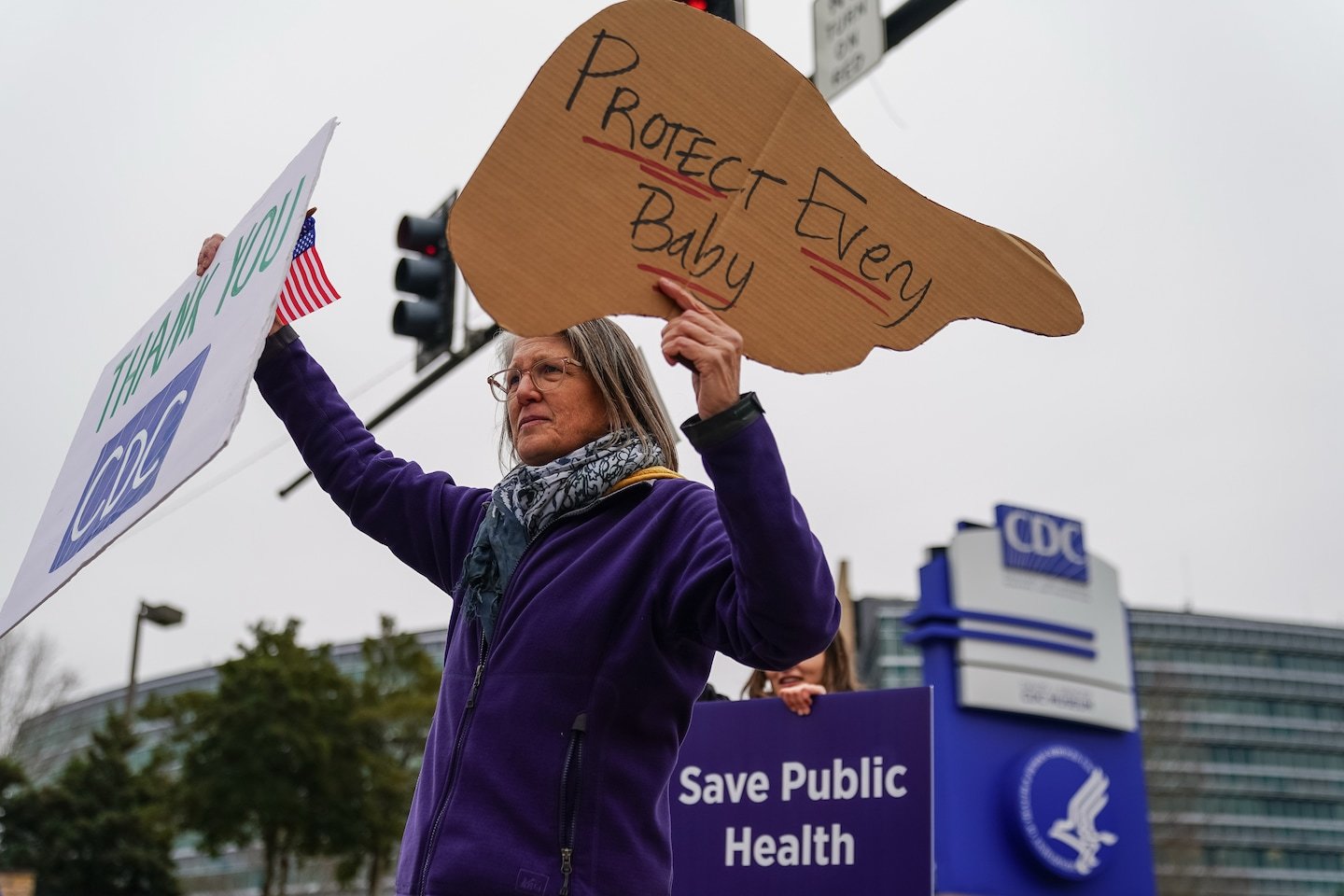
Proposed Delay to Newborn Hepatitis B Vaccine Raises Warning of Preventable Infection Risk
Public health experts say shifting the timing of the first hepatitis B shot away from birth could leave infants exposed during a critical window, with modeling studies projecting higher infection rates.
A potential change in infant vaccination policy affecting the timing of the first hepatitis B dose is raising concern among public health specialists, who warn that even short delays in newborn immunization could increase preventable infections.
What is confirmed is that the debate centers on whether the first dose of the hepatitis B vaccine should continue to be given at birth, a longstanding recommendation in many national immunization schedules, or whether it could be delayed to a later point in infancy.
The discussion has emerged alongside proposals under consideration within U.S. vaccine policy review structures.
The hepatitis B virus is transmitted through blood and bodily fluids and can cause both acute illness and chronic infection.
When infection occurs in early life, particularly at birth or in infancy, the likelihood of developing chronic hepatitis B is significantly higher than in adults.
Chronic infection can persist for decades and lead to severe outcomes, including liver cirrhosis and liver cancer.
The key issue raised by researchers is the existence of a narrow but high-risk exposure window immediately after birth.
Without a birth dose, infants born to infected mothers who are not identified during pregnancy screening, or infants exposed through household contacts, may remain unprotected during their earliest days of life.
The birth dose acts as a safety net to reduce the risk of early transmission, even when maternal infection is undiagnosed.
Modeling studies evaluating delayed vaccination scenarios suggest that postponing the first dose could lead to a measurable increase in infections over time.
These projections are based on transmission dynamics, maternal screening gaps, and the speed at which early-life infection can become chronic.
The magnitude of the projected increase varies depending on assumptions about screening coverage and follow-up vaccination rates, but the direction of effect is consistent across analyses: later vaccination increases risk.
Public health authorities who support maintaining the birth dose argue that its effectiveness lies in timing rather than cumulative coverage alone.
Even when later doses are eventually administered, the initial window of vulnerability cannot be retroactively closed, meaning any exposure during the first days of life remains unmitigated.
Those questioning the policy emphasize vaccine schedule complexity and parental consent concerns, but critics of delay counter that hepatitis B is uniquely suited to early intervention because it is one of the few vaccines given universally at birth rather than based solely on risk profile.
The broader implication of the policy debate is structural rather than procedural.
It reflects a recurring tension in immunization strategy: whether schedules should prioritize immediate blanket protection at birth or rely more heavily on targeted screening and later catch-up vaccination.
If a delay were formally adopted, public health systems would likely need to compensate with expanded maternal screening, stronger follow-up mechanisms, and higher compliance in later infant visits.
Without those safeguards functioning at near-perfect levels, experts warn that gaps in protection would translate directly into preventable childhood infections.
The policy decision now carries significance beyond scheduling, because it would reshape the earliest point of contact between newborns and preventive infectious disease control.
What is confirmed is that the debate centers on whether the first dose of the hepatitis B vaccine should continue to be given at birth, a longstanding recommendation in many national immunization schedules, or whether it could be delayed to a later point in infancy.
The discussion has emerged alongside proposals under consideration within U.S. vaccine policy review structures.
The hepatitis B virus is transmitted through blood and bodily fluids and can cause both acute illness and chronic infection.
When infection occurs in early life, particularly at birth or in infancy, the likelihood of developing chronic hepatitis B is significantly higher than in adults.
Chronic infection can persist for decades and lead to severe outcomes, including liver cirrhosis and liver cancer.
The key issue raised by researchers is the existence of a narrow but high-risk exposure window immediately after birth.
Without a birth dose, infants born to infected mothers who are not identified during pregnancy screening, or infants exposed through household contacts, may remain unprotected during their earliest days of life.
The birth dose acts as a safety net to reduce the risk of early transmission, even when maternal infection is undiagnosed.
Modeling studies evaluating delayed vaccination scenarios suggest that postponing the first dose could lead to a measurable increase in infections over time.
These projections are based on transmission dynamics, maternal screening gaps, and the speed at which early-life infection can become chronic.
The magnitude of the projected increase varies depending on assumptions about screening coverage and follow-up vaccination rates, but the direction of effect is consistent across analyses: later vaccination increases risk.
Public health authorities who support maintaining the birth dose argue that its effectiveness lies in timing rather than cumulative coverage alone.
Even when later doses are eventually administered, the initial window of vulnerability cannot be retroactively closed, meaning any exposure during the first days of life remains unmitigated.
Those questioning the policy emphasize vaccine schedule complexity and parental consent concerns, but critics of delay counter that hepatitis B is uniquely suited to early intervention because it is one of the few vaccines given universally at birth rather than based solely on risk profile.
The broader implication of the policy debate is structural rather than procedural.
It reflects a recurring tension in immunization strategy: whether schedules should prioritize immediate blanket protection at birth or rely more heavily on targeted screening and later catch-up vaccination.
If a delay were formally adopted, public health systems would likely need to compensate with expanded maternal screening, stronger follow-up mechanisms, and higher compliance in later infant visits.
Without those safeguards functioning at near-perfect levels, experts warn that gaps in protection would translate directly into preventable childhood infections.
The policy decision now carries significance beyond scheduling, because it would reshape the earliest point of contact between newborns and preventive infectious disease control.