White HouseSenateThe HouseSupreme CourtFederal ReserveDOJState DepartmentTreasuryCensusBudget OfficeTrade Representative
WashingTone
Informed by Washington, Defined by Insight
Tuesday, Apr 28, 2026
WashingTone

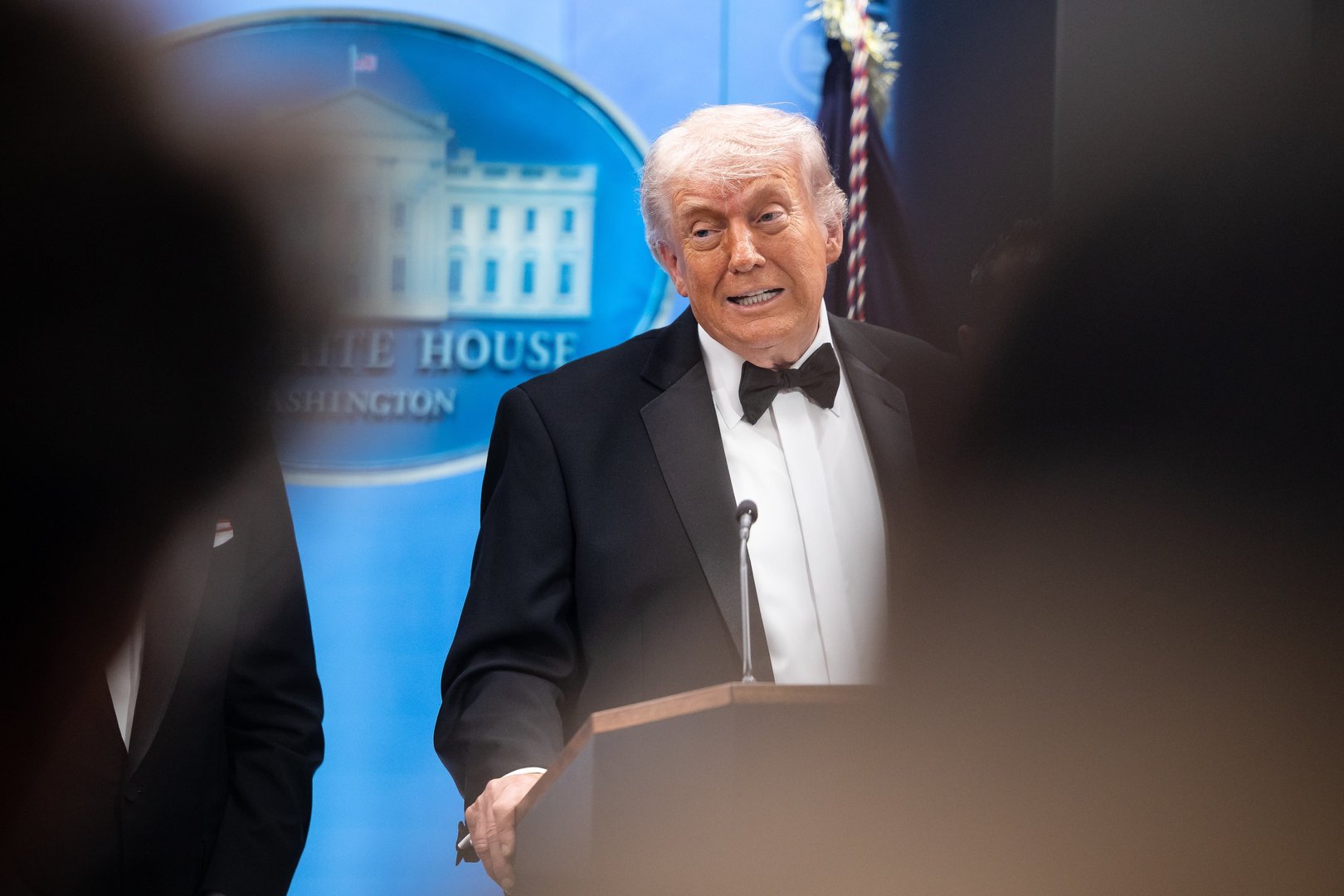
White House Escalates Political Rhetoric After Washington Shooting Incident
Following a weekend attack in Washington, administration officials publicly attribute responsibility to left-wing rhetoric and media narratives, intensifying debate over political blame and violence.
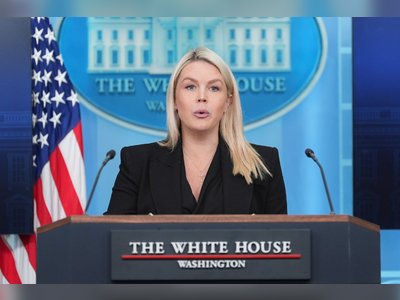
An official White House communication response following a shooting incident in Washington has sharply escalated political tensions, with administration figures attributing broader responsibility to what they describe as left-wing rhetoric and segments of the media environment.
What is confirmed is that after the Saturday shooting, senior White House officials issued statements linking the climate of political discourse to the conditions that preceded the attack.
The messaging framed the incident not only as a security failure and criminal act, but also as part of a wider pattern of political hostility in public debate.
The key issue is how quickly a criminal security incident has become embedded in a broader political narrative.
In the immediate aftermath of violent events involving public figures or political settings, competing interpretations often emerge over causation, responsibility, and the role of rhetoric in shaping behavior.
In this case, the White House response places emphasis on ideological and media-driven influences.
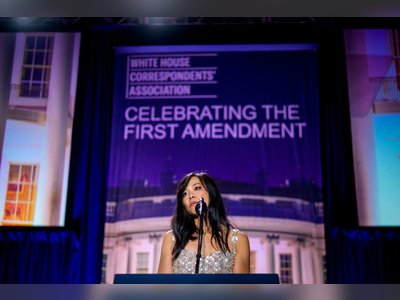
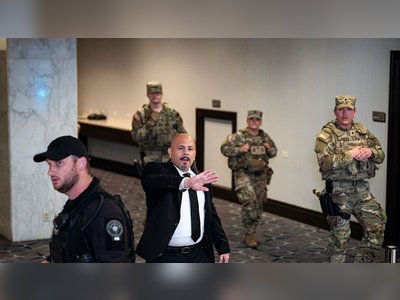
The shooting itself has already triggered an active law enforcement investigation, including a review of venue security procedures and the circumstances that allowed the attacker to carry out an act of violence in a controlled environment.
That investigative process is separate from the political framing now emerging from the executive branch.
The White House argument, as presented by officials, is that sustained political messaging and media coverage can contribute to an environment of hostility that increases the risk of violence.
Critics of this framing argue that it risks shifting attention away from immediate operational failures in security planning and from the individual responsibility of the attacker.
This tension is not new in U.S. political life.
Similar incidents in the past have produced rapid disputes over whether violence should be interpreted primarily through the lens of individual criminal behavior or through broader systemic and rhetorical influences.
The current response fits into that established pattern of post-incident narrative conflict.
The implications are significant because presidential or White House-level attribution of political blame can shape public perception, influence congressional reaction, and affect how media organizations respond to criticism.
It also raises the likelihood of intensified partisan disagreement over how political violence is discussed and framed in the public sphere.
At the same time, security investigations continue separately, focusing on physical access points, screening procedures, and response timing during the incident.
Those findings will determine whether procedural failures contributed to the breach, independent of the political narrative being advanced.
The result is a dual-track situation: an ongoing criminal and security investigation on one side, and an escalating political argument over causation and responsibility on the other, both developing in real time after the Washington shooting.
What is confirmed is that after the Saturday shooting, senior White House officials issued statements linking the climate of political discourse to the conditions that preceded the attack.
The messaging framed the incident not only as a security failure and criminal act, but also as part of a wider pattern of political hostility in public debate.
The key issue is how quickly a criminal security incident has become embedded in a broader political narrative.
In the immediate aftermath of violent events involving public figures or political settings, competing interpretations often emerge over causation, responsibility, and the role of rhetoric in shaping behavior.
In this case, the White House response places emphasis on ideological and media-driven influences.
The shooting itself has already triggered an active law enforcement investigation, including a review of venue security procedures and the circumstances that allowed the attacker to carry out an act of violence in a controlled environment.
That investigative process is separate from the political framing now emerging from the executive branch.
The White House argument, as presented by officials, is that sustained political messaging and media coverage can contribute to an environment of hostility that increases the risk of violence.
Critics of this framing argue that it risks shifting attention away from immediate operational failures in security planning and from the individual responsibility of the attacker.
This tension is not new in U.S. political life.
Similar incidents in the past have produced rapid disputes over whether violence should be interpreted primarily through the lens of individual criminal behavior or through broader systemic and rhetorical influences.
The current response fits into that established pattern of post-incident narrative conflict.
The implications are significant because presidential or White House-level attribution of political blame can shape public perception, influence congressional reaction, and affect how media organizations respond to criticism.
It also raises the likelihood of intensified partisan disagreement over how political violence is discussed and framed in the public sphere.
At the same time, security investigations continue separately, focusing on physical access points, screening procedures, and response timing during the incident.
Those findings will determine whether procedural failures contributed to the breach, independent of the political narrative being advanced.
The result is a dual-track situation: an ongoing criminal and security investigation on one side, and an escalating political argument over causation and responsibility on the other, both developing in real time after the Washington shooting.