White HouseSenateThe HouseSupreme CourtFederal ReserveDOJState DepartmentTreasuryCensusBudget OfficeTrade Representative
WashingTone
Informed by Washington, Defined by Insight
Tuesday, Apr 28, 2026
WashingTone

Man Charged in Alleged Attempted Assassination of Trump at Washington Political Dinner
Federal prosecutors say a California man armed with multiple weapons tried to breach security at the White House Correspondents’ Dinner, triggering gunfire, an evacuation, and a sweeping security investigation.
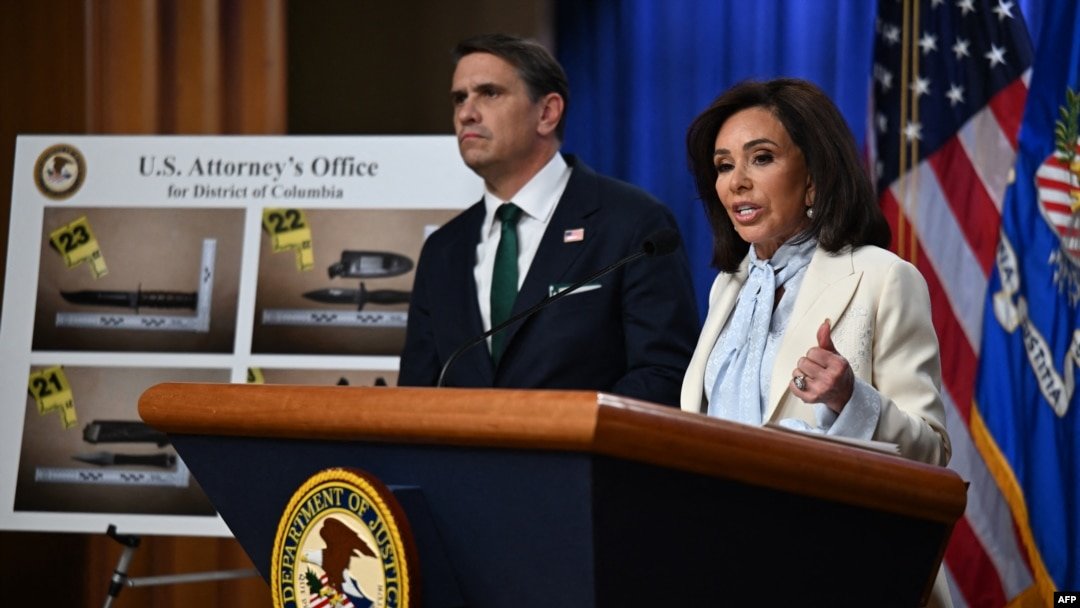
A federal criminal prosecution is unfolding in Washington after authorities charged a California man with attempting to assassinate Donald Trump during a high-security political dinner event in the U.S. capital, escalating concerns over political violence targeting senior public officials.
What is confirmed is that the suspect, identified in court filings as a 31-year-old man from California, has been charged with attempted assassination alongside multiple federal firearms offenses.
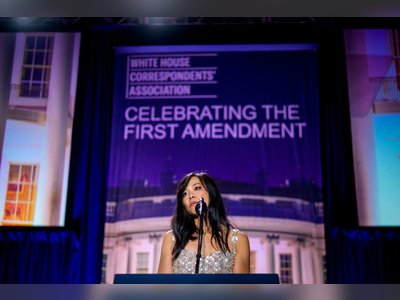
Prosecutors say the incident occurred during the White House Correspondents’ Association Dinner at a Washington hotel, where senior political figures, journalists, and officials were gathered under Secret Service protection.
According to the charges, the suspect traveled from California to Washington carrying a shotgun, a handgun, and knives.
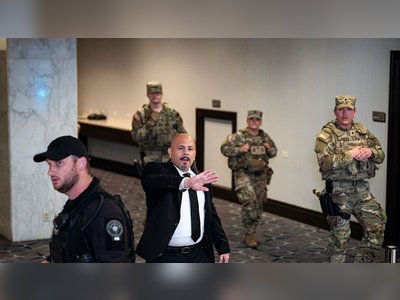
He allegedly moved through or past a security checkpoint at the event venue and reached a restricted area close to the ballroom where the dinner was taking place.
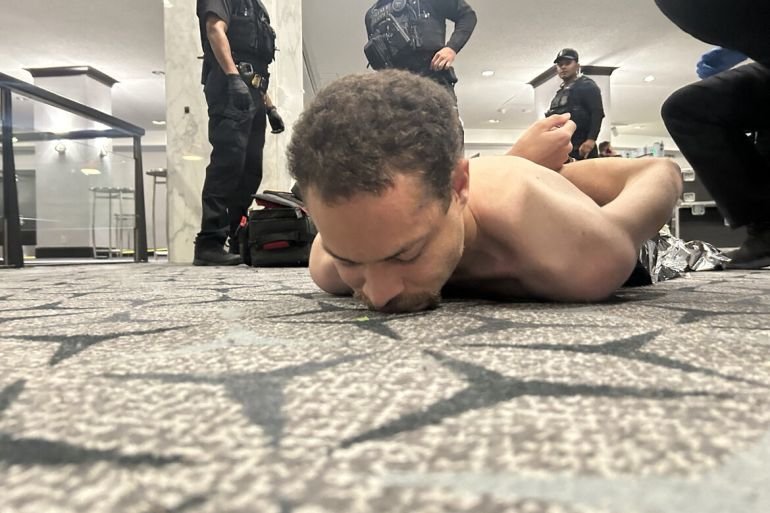
During the confrontation, gunfire was discharged and the suspect was ultimately subdued by security personnel at the scene.
One Secret Service agent was struck by gunfire but was protected by a ballistic vest and survived.
The suspect was taken into custody immediately after being restrained and later appeared in federal court, where he was ordered held pending further hearings.
The legal core of the case rests on whether prosecutors can prove intent to target Trump specifically.
Authorities allege that the suspect’s actions, preparation, and communications indicate a deliberate plan to attack senior government figures.
The suspect also faces charges related to interstate transportation of weapons and discharging a firearm during a violent crime, which independently carry severe federal penalties.
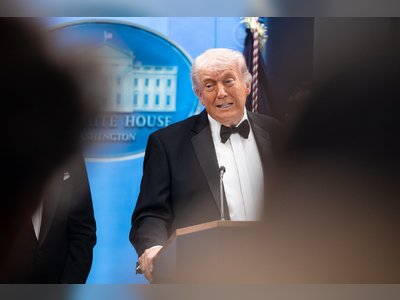
The incident triggered an emergency evacuation of attendees, including Trump, and led to a rapid review of security procedures at high-profile political events in Washington.
Officials have emphasized that the suspect was stopped before reaching the main event space, preventing what prosecutors describe as a potentially catastrophic attack.
The case now moves into a broader federal investigation phase, where prosecutors are expected to expand the indictment as they assess motive, planning, and possible ideological drivers.
If convicted on the attempted assassination charge alone, the defendant faces a possible life sentence under federal law.
The broader significance of the case lies in its exposure of vulnerabilities in layered security environments designed for high-level political gatherings, where a single breach attempt can rapidly escalate into an armed confrontation involving senior officials and protective services.
The legal proceedings will determine both the severity of charges and the scope of accountability, while security agencies review how an armed suspect was able to approach so close to a protected political event.
What is confirmed is that the suspect, identified in court filings as a 31-year-old man from California, has been charged with attempted assassination alongside multiple federal firearms offenses.
Prosecutors say the incident occurred during the White House Correspondents’ Association Dinner at a Washington hotel, where senior political figures, journalists, and officials were gathered under Secret Service protection.
According to the charges, the suspect traveled from California to Washington carrying a shotgun, a handgun, and knives.
He allegedly moved through or past a security checkpoint at the event venue and reached a restricted area close to the ballroom where the dinner was taking place.
During the confrontation, gunfire was discharged and the suspect was ultimately subdued by security personnel at the scene.
One Secret Service agent was struck by gunfire but was protected by a ballistic vest and survived.
The suspect was taken into custody immediately after being restrained and later appeared in federal court, where he was ordered held pending further hearings.
The legal core of the case rests on whether prosecutors can prove intent to target Trump specifically.
Authorities allege that the suspect’s actions, preparation, and communications indicate a deliberate plan to attack senior government figures.
The suspect also faces charges related to interstate transportation of weapons and discharging a firearm during a violent crime, which independently carry severe federal penalties.
The incident triggered an emergency evacuation of attendees, including Trump, and led to a rapid review of security procedures at high-profile political events in Washington.
Officials have emphasized that the suspect was stopped before reaching the main event space, preventing what prosecutors describe as a potentially catastrophic attack.
The case now moves into a broader federal investigation phase, where prosecutors are expected to expand the indictment as they assess motive, planning, and possible ideological drivers.
If convicted on the attempted assassination charge alone, the defendant faces a possible life sentence under federal law.
The broader significance of the case lies in its exposure of vulnerabilities in layered security environments designed for high-level political gatherings, where a single breach attempt can rapidly escalate into an armed confrontation involving senior officials and protective services.
The legal proceedings will determine both the severity of charges and the scope of accountability, while security agencies review how an armed suspect was able to approach so close to a protected political event.