White HouseSenateThe HouseSupreme CourtFederal ReserveDOJState DepartmentTreasuryCensusBudget OfficeTrade Representative
WashingTone
Informed by Washington, Defined by Insight
Saturday, May 16, 2026
WashingTone

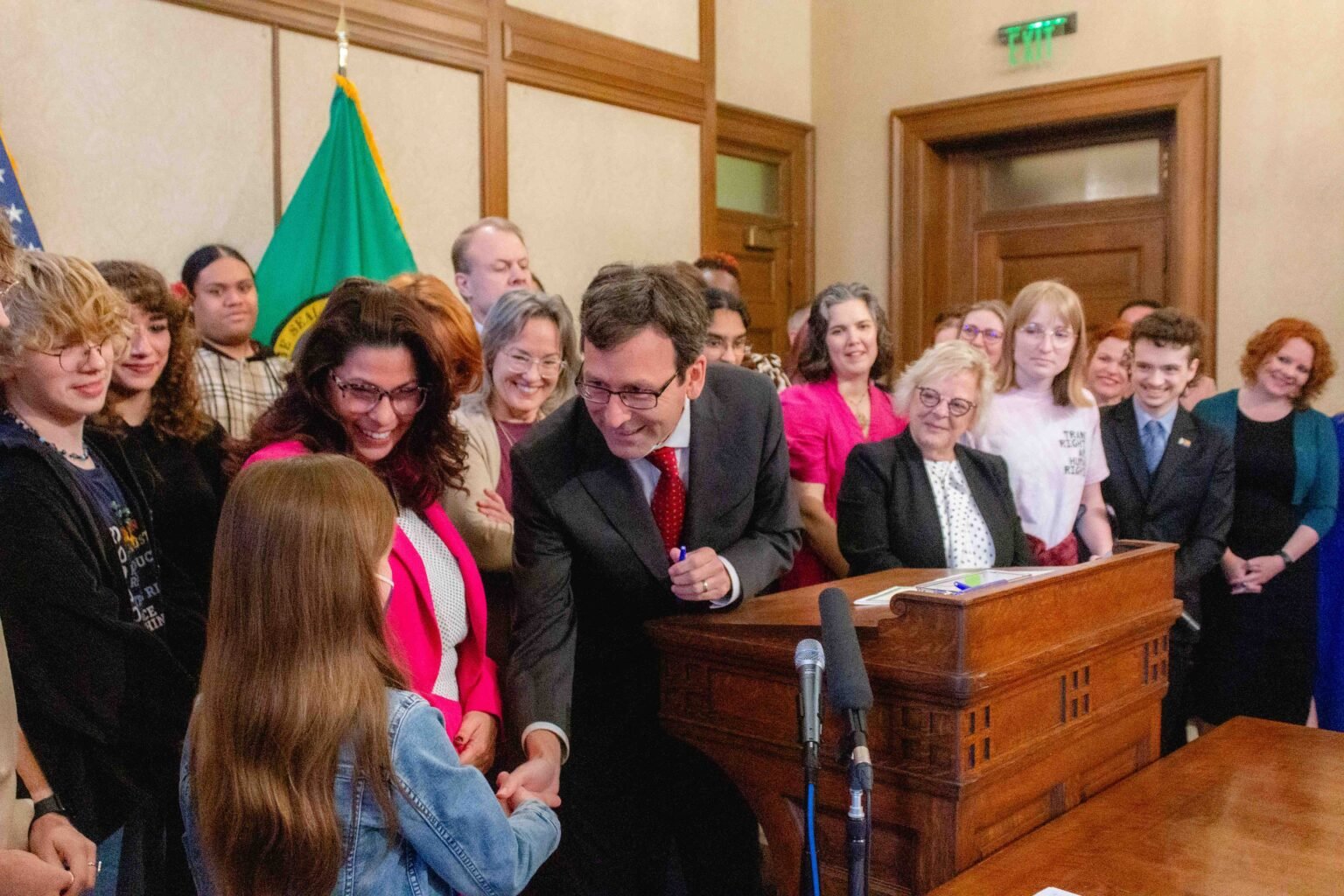
Washington Judge Upholds Revised Parental Rights Law in Legal Challenge Dismissal
A court ruling clears the state’s updated parental rights framework, reinforcing how Washington defines parental authority, school obligations, and student privacy under the revised statute.
SYSTEM-DRIVEN — the story is driven by a judicial decision validating a revised legal framework governing parental rights in Washington state, shaping how schools, parents, and students interact under state law.
A Washington state judge has rejected a legal challenge targeting the state’s rewritten parental rights law, effectively upholding the revised statute and allowing it to remain in force.
The ruling represents a decisive moment in an ongoing legal and political dispute over how parental authority is defined in education settings and how schools must balance parental access to information with student privacy protections.
What is confirmed is that the court dismissed the lawsuit seeking to overturn or block the updated law, concluding that the challenge did not meet the legal threshold required to invalidate the statute.
The ruling leaves the revised framework intact and in active effect across Washington’s public school system.
The rewritten law emerged after a broader legislative effort to clarify and restructure parental rights in education.
It defines the scope of parental access to student records, communication requirements between schools and families, and the boundaries of student confidentiality.
Supporters of the revision argue that it standardizes expectations across districts and reduces ambiguity in school-level decision-making.
Opponents of the law have argued that its provisions risk expanding administrative obligations on schools while potentially interfering with student privacy, particularly in sensitive cases involving counseling, identity, or disciplinary matters.
The lawsuit sought to invalidate the statute on grounds that it allegedly imposed unlawful or overly broad requirements, but the court did not accept those arguments as sufficient to strike down the law.
The key issue in the ruling is judicial deference to legislative authority in defining educational policy.
The court’s decision reflects a determination that the law falls within the state’s constitutional power to regulate public education and establish procedural rules for school districts, even amid disagreement over its practical effects.
For school districts across Washington, the ruling provides legal certainty after a period of uncertainty during the litigation.
Administrators must now continue implementing the revised requirements, including updated communication protocols with parents and revised handling of student information requests.
This reinforces a uniform statewide standard rather than allowing district-by-district variation shaped by ongoing legal risk.
The broader implications extend beyond Washington.
Parental rights in education have become a recurring national policy conflict in the United States, with states adopting divergent approaches to transparency, curriculum oversight, and student privacy.
Court decisions like this one influence how similar laws may be defended or challenged elsewhere, particularly where legislators attempt to redefine boundaries between parental authority and student autonomy.
The ruling ultimately preserves the legislative framework as written and signals that future disputes over its implementation will likely be resolved through administrative enforcement and additional policy adjustments rather than judicial reversal, keeping the revised parental rights law fully operational across Washington schools.
A Washington state judge has rejected a legal challenge targeting the state’s rewritten parental rights law, effectively upholding the revised statute and allowing it to remain in force.
The ruling represents a decisive moment in an ongoing legal and political dispute over how parental authority is defined in education settings and how schools must balance parental access to information with student privacy protections.
What is confirmed is that the court dismissed the lawsuit seeking to overturn or block the updated law, concluding that the challenge did not meet the legal threshold required to invalidate the statute.
The ruling leaves the revised framework intact and in active effect across Washington’s public school system.
The rewritten law emerged after a broader legislative effort to clarify and restructure parental rights in education.
It defines the scope of parental access to student records, communication requirements between schools and families, and the boundaries of student confidentiality.
Supporters of the revision argue that it standardizes expectations across districts and reduces ambiguity in school-level decision-making.
Opponents of the law have argued that its provisions risk expanding administrative obligations on schools while potentially interfering with student privacy, particularly in sensitive cases involving counseling, identity, or disciplinary matters.
The lawsuit sought to invalidate the statute on grounds that it allegedly imposed unlawful or overly broad requirements, but the court did not accept those arguments as sufficient to strike down the law.
The key issue in the ruling is judicial deference to legislative authority in defining educational policy.
The court’s decision reflects a determination that the law falls within the state’s constitutional power to regulate public education and establish procedural rules for school districts, even amid disagreement over its practical effects.
For school districts across Washington, the ruling provides legal certainty after a period of uncertainty during the litigation.
Administrators must now continue implementing the revised requirements, including updated communication protocols with parents and revised handling of student information requests.
This reinforces a uniform statewide standard rather than allowing district-by-district variation shaped by ongoing legal risk.
The broader implications extend beyond Washington.
Parental rights in education have become a recurring national policy conflict in the United States, with states adopting divergent approaches to transparency, curriculum oversight, and student privacy.
Court decisions like this one influence how similar laws may be defended or challenged elsewhere, particularly where legislators attempt to redefine boundaries between parental authority and student autonomy.
The ruling ultimately preserves the legislative framework as written and signals that future disputes over its implementation will likely be resolved through administrative enforcement and additional policy adjustments rather than judicial reversal, keeping the revised parental rights law fully operational across Washington schools.