White HouseSenateThe HouseSupreme CourtFederal ReserveDOJState DepartmentTreasuryCensusBudget OfficeTrade Representative
WashingTone
Informed by Washington, Defined by Insight
Saturday, May 16, 2026
WashingTone

Pentagon Cancels 4,000-Troop Deployment to Europe, Signaling Sharp Shift in NATO Force Posture
The abrupt decision halts a planned armored brigade rotation to Poland and Germany, intensifying tensions with allies and raising questions over U.S. commitment to European defense under a broader drawdown strategy.
EVENT-DRIVEN — the story is driven by an abrupt Pentagon decision to cancel a large-scale troop deployment to Europe, directly affecting NATO force posture and triggering immediate diplomatic and military reactions.
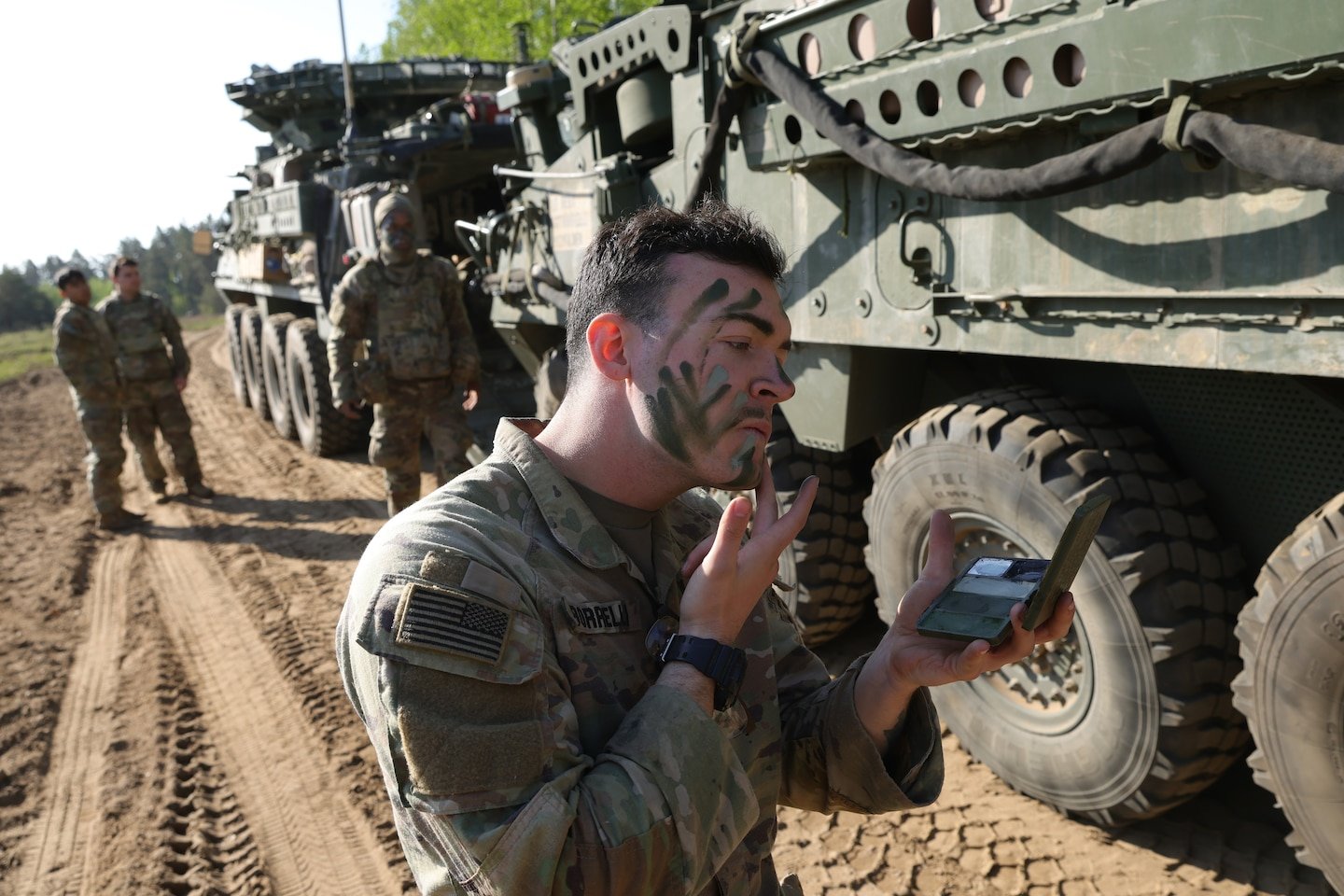
The Pentagon has canceled the deployment of roughly 4,000 U.S. troops who were scheduled to rotate into Poland, along with associated elements intended for Germany, abruptly halting a major force movement that was already underway in parts of the logistics chain.
The decision interrupts a planned armored brigade rotation that would have reinforced NATO’s eastern flank and continued long-standing U.S. troop presence in Europe.
What is confirmed is that the troops, drawn primarily from the U.S. Army’s 2nd Armored Brigade Combat Team of the 1st Cavalry Division, were no longer being sent to Europe after a directive issued by Defense Department leadership.
In at least some cases, personnel and equipment had already begun transit or reached staging points before the cancellation order was implemented, forcing rapid reversals of movement and logistical reconfiguration.
The cancellation is part of a broader policy direction associated with reducing U.S. military presence in Europe.
It follows earlier announcements of force reductions in Germany and reflects a stated strategic shift toward encouraging European allies to assume greater responsibility for conventional defense while the United States reallocates resources to other regions and priorities.
The mechanism behind the decision appears to involve an internal directive to adjust force posture rather than a battlefield redeployment.
Instead of withdrawing troops already stationed in Europe, the Pentagon halted incoming rotations, effectively preventing replacement units from taking over missions that maintain continuous U.S. presence across NATO countries such as Poland and Germany.
The move has triggered immediate political friction in Washington and among European allies.
Lawmakers from both major U.S. parties have criticized the lack of advance consultation, particularly given that armored brigades are central to NATO deterrence planning against potential Russian aggression.
Military officials reportedly expressed surprise at the timing, underscoring a breakdown in communication between operational planners and senior decision-makers.
In Europe, the decision lands in a sensitive security environment shaped by ongoing tensions with Russia and sustained NATO reinforcement efforts since the escalation of the Ukraine war.
Poland, which has positioned itself as one of NATO’s most defense-oriented members, has previously hosted rotational U.S. armored units intended to signal deterrence along the alliance’s eastern frontier.
Strategically, the key issue is the signal sent by interrupting a scheduled armored brigade rotation.
Even if overall troop levels remain within NATO planning thresholds, the cancellation of a high-visibility deployment affects perceptions of reliability, readiness, and continuity in deterrence operations.
Military planners rely on predictable rotations to maintain training cycles, alliance integration, and rapid reinforcement capability.
The broader implication is a potential recalibration of NATO’s operational structure, where European forces are expected to assume a larger share of front-line deterrence roles.
While alliance officials have emphasized that NATO defense plans remain intact, the reduction in U.S. rotational presence alters the balance of visible American military commitment in Eastern Europe.
The immediate consequence is a pause in one of the most significant planned U.S. armored deployments to Europe this year, along with heightened scrutiny of future troop movements and the strategic direction of U.S. force posture across NATO territory.
The Pentagon has canceled the deployment of roughly 4,000 U.S. troops who were scheduled to rotate into Poland, along with associated elements intended for Germany, abruptly halting a major force movement that was already underway in parts of the logistics chain.
The decision interrupts a planned armored brigade rotation that would have reinforced NATO’s eastern flank and continued long-standing U.S. troop presence in Europe.
What is confirmed is that the troops, drawn primarily from the U.S. Army’s 2nd Armored Brigade Combat Team of the 1st Cavalry Division, were no longer being sent to Europe after a directive issued by Defense Department leadership.
In at least some cases, personnel and equipment had already begun transit or reached staging points before the cancellation order was implemented, forcing rapid reversals of movement and logistical reconfiguration.
The cancellation is part of a broader policy direction associated with reducing U.S. military presence in Europe.
It follows earlier announcements of force reductions in Germany and reflects a stated strategic shift toward encouraging European allies to assume greater responsibility for conventional defense while the United States reallocates resources to other regions and priorities.
The mechanism behind the decision appears to involve an internal directive to adjust force posture rather than a battlefield redeployment.
Instead of withdrawing troops already stationed in Europe, the Pentagon halted incoming rotations, effectively preventing replacement units from taking over missions that maintain continuous U.S. presence across NATO countries such as Poland and Germany.
The move has triggered immediate political friction in Washington and among European allies.
Lawmakers from both major U.S. parties have criticized the lack of advance consultation, particularly given that armored brigades are central to NATO deterrence planning against potential Russian aggression.
Military officials reportedly expressed surprise at the timing, underscoring a breakdown in communication between operational planners and senior decision-makers.
In Europe, the decision lands in a sensitive security environment shaped by ongoing tensions with Russia and sustained NATO reinforcement efforts since the escalation of the Ukraine war.
Poland, which has positioned itself as one of NATO’s most defense-oriented members, has previously hosted rotational U.S. armored units intended to signal deterrence along the alliance’s eastern frontier.
Strategically, the key issue is the signal sent by interrupting a scheduled armored brigade rotation.
Even if overall troop levels remain within NATO planning thresholds, the cancellation of a high-visibility deployment affects perceptions of reliability, readiness, and continuity in deterrence operations.
Military planners rely on predictable rotations to maintain training cycles, alliance integration, and rapid reinforcement capability.
The broader implication is a potential recalibration of NATO’s operational structure, where European forces are expected to assume a larger share of front-line deterrence roles.
While alliance officials have emphasized that NATO defense plans remain intact, the reduction in U.S. rotational presence alters the balance of visible American military commitment in Eastern Europe.
The immediate consequence is a pause in one of the most significant planned U.S. armored deployments to Europe this year, along with heightened scrutiny of future troop movements and the strategic direction of U.S. force posture across NATO territory.