White HouseSenateThe HouseSupreme CourtFederal ReserveDOJState DepartmentTreasuryCensusBudget OfficeTrade Representative
WashingTone
Informed by Washington, Defined by Insight
Saturday, May 16, 2026
WashingTone

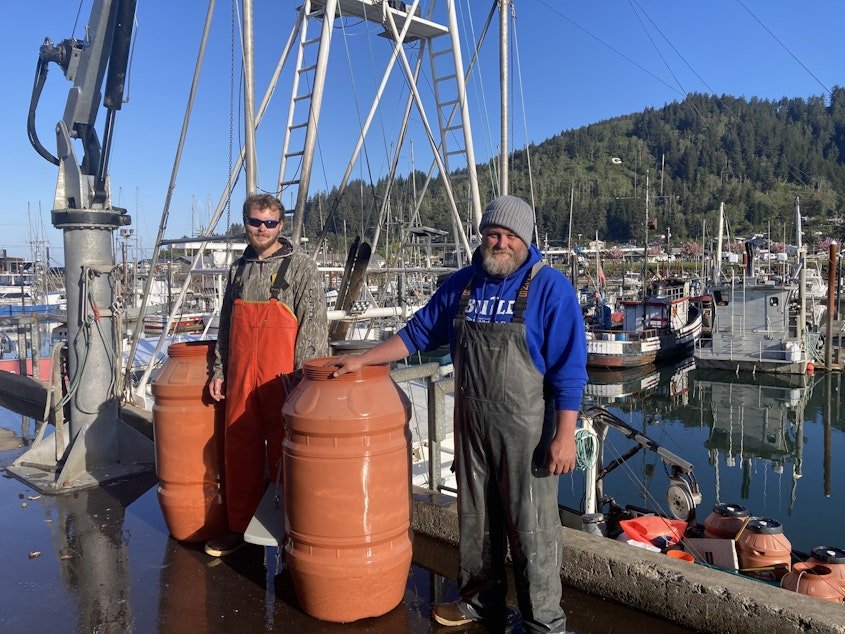
Rising Fuel Costs Pressure Fishing Industry Across Washington and Oregon Waters
Commercial fishers face shrinking margins as fuel becomes one of the dominant operating costs, reshaping fishing patterns, fleet decisions, and regional seafood supply chains.
SYSTEM-DRIVEN — the story is driven by structural economic pressure from persistently high fuel costs reshaping a core regional industry dependent on long-distance maritime operations and energy-intensive harvesting.
Commercial fishing fleets operating along the coasts of Washington and Oregon are under sustained financial pressure as fuel prices continue to account for a growing share of operating expenses.
The industry, which depends heavily on diesel-powered vessels traveling long distances to reach productive fishing grounds, is particularly sensitive to even moderate increases in fuel costs.
What is confirmed is that fuel has become one of the largest variable expenses for fishing operations in the Pacific Northwest, directly affecting profitability across multiple fisheries including salmon, crab, and groundfish.
As fuel costs rise or remain elevated, vessels must either reduce time at sea, limit travel distance, or absorb lower margins, all of which affect total catch volume and revenue.
The mechanism driving the strain is straightforward but unforgiving.
Fishing vessels burn large quantities of diesel during transit to and from fishing grounds, as well as during active operations such as trawling or pot hauling.
When fuel prices increase, the cost per trip rises immediately, while revenue depends on uncertain catch volumes and fluctuating market prices for seafood.
This mismatch creates high volatility in income for individual operators and fleets.
The impact is not evenly distributed.
Smaller, independently owned vessels are typically the most exposed because they have less ability to hedge fuel costs, renegotiate supply contracts, or absorb temporary losses.
Larger fleet operators may have more operational flexibility, but they are also exposed to cumulative fuel expenditures across multiple vessels.
In response, some fishers are adjusting behavior by reducing trip frequency, shortening voyages, or targeting fishing grounds closer to shore even if those areas are less productive.
Others are delaying maintenance cycles or postponing equipment upgrades in an effort to preserve cash flow, decisions that can increase long-term operational risk.
The economic pressure extends beyond individual operators to regional supply chains.
Lower or more inconsistent landings can affect processors, distributors, and coastal communities that rely on seasonal fishing activity.
Processing plants may experience uneven throughput, while buyers face greater variability in supply and pricing.
Washington and Oregon fisheries operate within tightly regulated management systems that include quotas, seasonal openings, and conservation constraints.
These rules limit the ability of fishers to simply increase catch volume to offset higher costs, meaning fuel price shocks cannot be easily compensated through increased output.
The broader implication is a structural squeeze on an industry already exposed to environmental variability, regulatory limits, and market fluctuations.
Fuel costs add a third major pressure point that directly affects operational viability, particularly for smaller operators with limited financial buffers.
The immediate consequence is continued financial tightening across segments of the Pacific Northwest fishing fleet, with operators adjusting activity levels to align with rising operating costs while maintaining compliance with existing fisheries regulations.
Commercial fishing fleets operating along the coasts of Washington and Oregon are under sustained financial pressure as fuel prices continue to account for a growing share of operating expenses.
The industry, which depends heavily on diesel-powered vessels traveling long distances to reach productive fishing grounds, is particularly sensitive to even moderate increases in fuel costs.
What is confirmed is that fuel has become one of the largest variable expenses for fishing operations in the Pacific Northwest, directly affecting profitability across multiple fisheries including salmon, crab, and groundfish.
As fuel costs rise or remain elevated, vessels must either reduce time at sea, limit travel distance, or absorb lower margins, all of which affect total catch volume and revenue.
The mechanism driving the strain is straightforward but unforgiving.
Fishing vessels burn large quantities of diesel during transit to and from fishing grounds, as well as during active operations such as trawling or pot hauling.
When fuel prices increase, the cost per trip rises immediately, while revenue depends on uncertain catch volumes and fluctuating market prices for seafood.
This mismatch creates high volatility in income for individual operators and fleets.
The impact is not evenly distributed.
Smaller, independently owned vessels are typically the most exposed because they have less ability to hedge fuel costs, renegotiate supply contracts, or absorb temporary losses.
Larger fleet operators may have more operational flexibility, but they are also exposed to cumulative fuel expenditures across multiple vessels.
In response, some fishers are adjusting behavior by reducing trip frequency, shortening voyages, or targeting fishing grounds closer to shore even if those areas are less productive.
Others are delaying maintenance cycles or postponing equipment upgrades in an effort to preserve cash flow, decisions that can increase long-term operational risk.
The economic pressure extends beyond individual operators to regional supply chains.
Lower or more inconsistent landings can affect processors, distributors, and coastal communities that rely on seasonal fishing activity.
Processing plants may experience uneven throughput, while buyers face greater variability in supply and pricing.
Washington and Oregon fisheries operate within tightly regulated management systems that include quotas, seasonal openings, and conservation constraints.
These rules limit the ability of fishers to simply increase catch volume to offset higher costs, meaning fuel price shocks cannot be easily compensated through increased output.
The broader implication is a structural squeeze on an industry already exposed to environmental variability, regulatory limits, and market fluctuations.
Fuel costs add a third major pressure point that directly affects operational viability, particularly for smaller operators with limited financial buffers.
The immediate consequence is continued financial tightening across segments of the Pacific Northwest fishing fleet, with operators adjusting activity levels to align with rising operating costs while maintaining compliance with existing fisheries regulations.