White HouseSenateThe HouseSupreme CourtFederal ReserveDOJState DepartmentTreasuryCensusBudget OfficeTrade Representative
WashingTone
Informed by Washington, Defined by Insight
Saturday, May 16, 2026
WashingTone

China Summit Signals Xi Jinping’s Push for Strategic Parity With the United States
High-level diplomacy and symbolic pageantry at the latest China-hosted summit reinforce Beijing’s effort to position itself as an equal global power, even as structural tensions with Washington persist.
SYSTEM-DRIVEN — the story is driven by an evolving geopolitical framework in which China is actively reshaping diplomatic protocols, multilateral engagement, and strategic signaling to establish parity with the United States in global affairs.
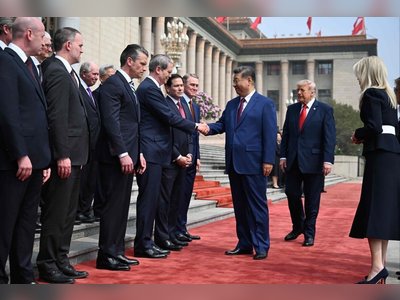
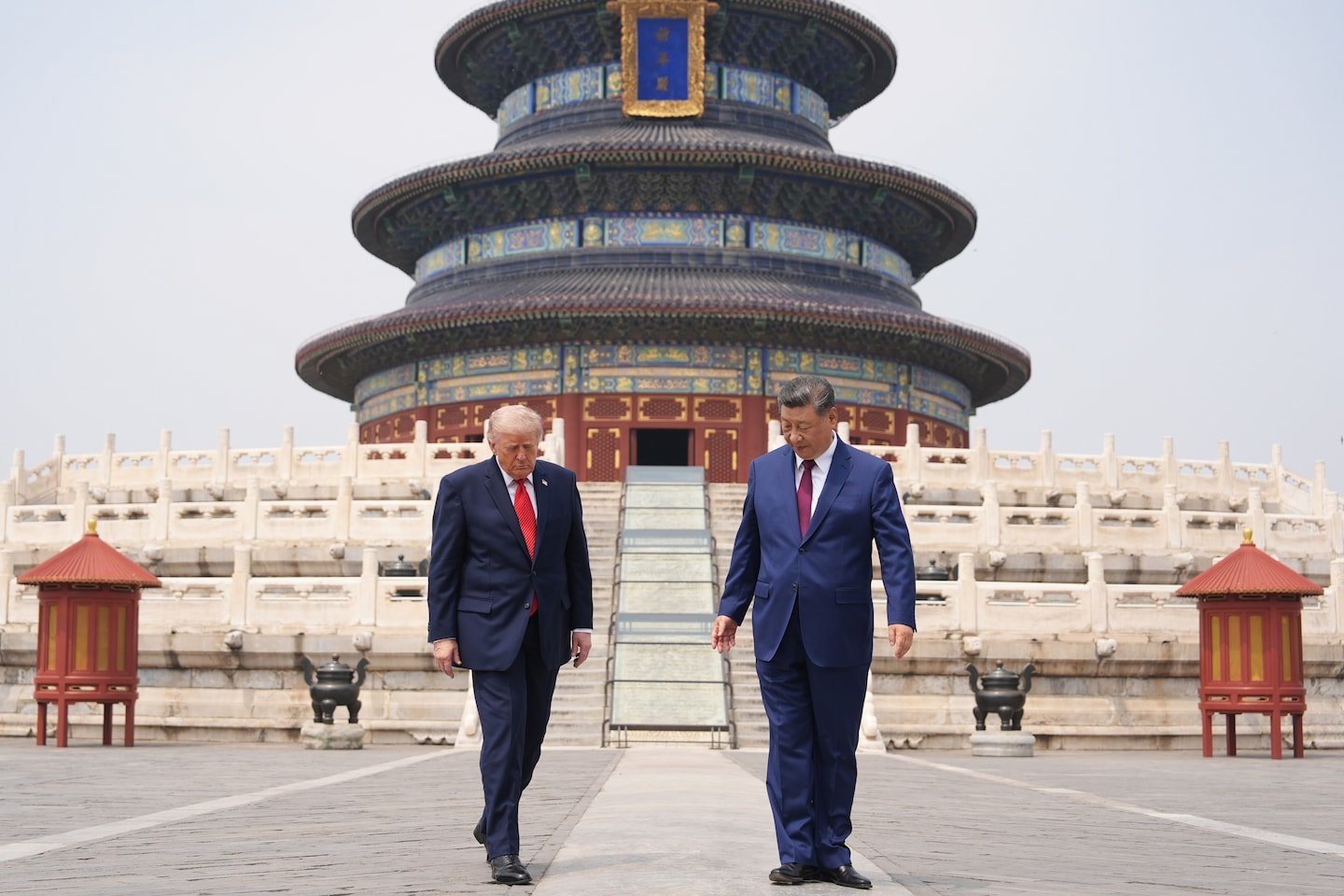
A recent high-profile summit hosted by China, marked by carefully staged diplomacy and ceremonial display, underscored Beijing’s sustained objective of presenting itself as an equal counterpart to the United States in global governance.
The gathering brought together multiple international leaders and institutions in a format designed not only for negotiation but for symbolic projection of influence and status.
What is confirmed is that Chinese President Xi Jinping used the summit platform to advance messaging centered on multipolarity, sovereignty, and resistance to what Beijing characterizes as unilateral dominance in international affairs.
The event combined formal diplomatic meetings with highly choreographed public appearances, reflecting a broader pattern in China’s foreign policy where symbolism and protocol are used as instruments of strategic positioning.
The key issue underlying the summit is not a single agreement but the contest over global hierarchy.
China’s diplomatic approach increasingly emphasizes parity with the United States, seeking recognition of a system in which global power is distributed across multiple centers rather than anchored in American primacy.
This framing is consistently reflected in China’s engagement with developing economies, regional blocs, and multilateral institutions.
Mechanically, the summit functioned as a coordination platform for economic, security, and infrastructure discussions, often tied to China’s long-running international initiatives.
These include trade connectivity projects, development financing arrangements, and expanded bilateral partnerships that deepen Beijing’s presence across Asia, Africa, and parts of Europe.
Each component reinforces China’s broader diplomatic architecture rather than producing a single decisive outcome.
The United States remains the implicit reference point in these engagements.
Washington’s alliances, financial systems, and security networks continue to anchor much of the existing global order.
China’s strategy, as reflected in summit messaging, is to normalize the idea that alternative institutions and partnerships can operate at comparable weight, even if they function differently in structure and scope.
The stakes of this positioning are structural.
If China succeeds in consolidating recognition of equal footing, it would reshape expectations around global decision-making in trade, security, and technological governance.
That would not necessarily replace existing institutions but would increase fragmentation and competition between parallel systems of influence.
At the same time, the gap between symbolic parity and material equivalence remains central.
While China’s economic scale and diplomatic reach have expanded significantly, the United States retains dominant influence in military alliances, financial infrastructure, and global currency systems.
The summit therefore reflects a strategic tension between aspirational framing and existing power distribution.
The immediate consequence of the summit is not a formal shift in global order but a reinforcement of China’s long-term diplomatic narrative.
By staging high-visibility multilateral engagement, Beijing continues to normalize its claim to equal status in global affairs, setting the terms of competition with the United States in both rhetoric and institutional design.
A recent high-profile summit hosted by China, marked by carefully staged diplomacy and ceremonial display, underscored Beijing’s sustained objective of presenting itself as an equal counterpart to the United States in global governance.
The gathering brought together multiple international leaders and institutions in a format designed not only for negotiation but for symbolic projection of influence and status.
What is confirmed is that Chinese President Xi Jinping used the summit platform to advance messaging centered on multipolarity, sovereignty, and resistance to what Beijing characterizes as unilateral dominance in international affairs.
The event combined formal diplomatic meetings with highly choreographed public appearances, reflecting a broader pattern in China’s foreign policy where symbolism and protocol are used as instruments of strategic positioning.
The key issue underlying the summit is not a single agreement but the contest over global hierarchy.
China’s diplomatic approach increasingly emphasizes parity with the United States, seeking recognition of a system in which global power is distributed across multiple centers rather than anchored in American primacy.
This framing is consistently reflected in China’s engagement with developing economies, regional blocs, and multilateral institutions.
Mechanically, the summit functioned as a coordination platform for economic, security, and infrastructure discussions, often tied to China’s long-running international initiatives.
These include trade connectivity projects, development financing arrangements, and expanded bilateral partnerships that deepen Beijing’s presence across Asia, Africa, and parts of Europe.
Each component reinforces China’s broader diplomatic architecture rather than producing a single decisive outcome.
The United States remains the implicit reference point in these engagements.
Washington’s alliances, financial systems, and security networks continue to anchor much of the existing global order.
China’s strategy, as reflected in summit messaging, is to normalize the idea that alternative institutions and partnerships can operate at comparable weight, even if they function differently in structure and scope.
The stakes of this positioning are structural.
If China succeeds in consolidating recognition of equal footing, it would reshape expectations around global decision-making in trade, security, and technological governance.
That would not necessarily replace existing institutions but would increase fragmentation and competition between parallel systems of influence.
At the same time, the gap between symbolic parity and material equivalence remains central.
While China’s economic scale and diplomatic reach have expanded significantly, the United States retains dominant influence in military alliances, financial infrastructure, and global currency systems.
The summit therefore reflects a strategic tension between aspirational framing and existing power distribution.
The immediate consequence of the summit is not a formal shift in global order but a reinforcement of China’s long-term diplomatic narrative.
By staging high-visibility multilateral engagement, Beijing continues to normalize its claim to equal status in global affairs, setting the terms of competition with the United States in both rhetoric and institutional design.