White HouseSenateThe HouseSupreme CourtFederal ReserveDOJState DepartmentTreasuryCensusBudget OfficeTrade Representative
WashingTone
Informed by Washington, Defined by Insight
Sunday, May 17, 2026
WashingTone

Trump Returns From China Visit Into Rising Inflation Pressure at Home
U.S. inflation climbs to 3.8 percent as tariffs, energy shocks, and global tensions raise costs and deepen political pressure on the White House
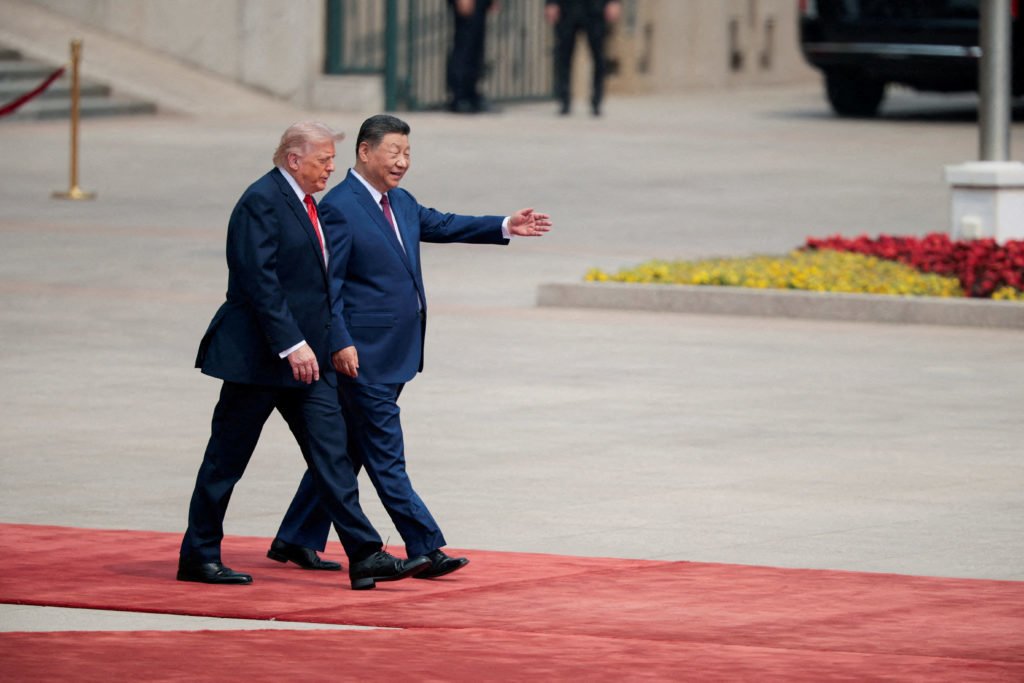
U.S. economic policy under President Donald Trump is facing renewed scrutiny as rising inflation and global supply shocks converge with the political fallout of his recent state visit to China, placing domestic affordability at the center of his administration’s immediate challenge.
The latest available data show annual consumer inflation in the United States rising to three point eight percent in April, marking an increase from earlier levels after months of gradual price pressure.
Economic analysts attribute the acceleration to a combination of factors, including higher energy costs, trade tariffs, and disruptions linked to international conflict, particularly tensions affecting global oil routes.
The timing of the inflation surge has sharpened political stakes.
The increase comes as inflation is reported to be outpacing wage growth, meaning household purchasing power is effectively declining even as employment remains stable.
Forecasts from regional Federal Reserve indicators suggest inflation could climb further in the near term, with estimates pointing toward levels above four percent if energy prices remain elevated.
Energy markets have become a key transmission channel for inflation.
Rising gasoline prices have been linked to geopolitical instability and constraints on major shipping routes, which have tightened global oil supply expectations.
These pressures have fed into transportation, utilities, and consumer goods pricing, extending inflation beyond isolated sectors into everyday household spending categories.
The broader economic impact is also reflected in financial markets, where rising government borrowing costs have added pressure to interest rates.
The yield on ten-year U.S. government debt has increased in recent trading, signaling higher long-term financing costs that affect mortgages, auto loans, and business credit conditions.
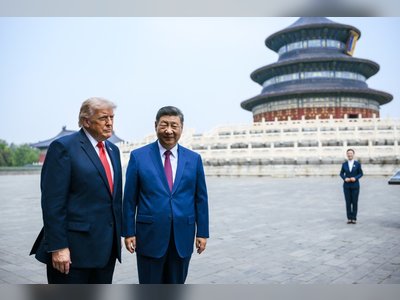
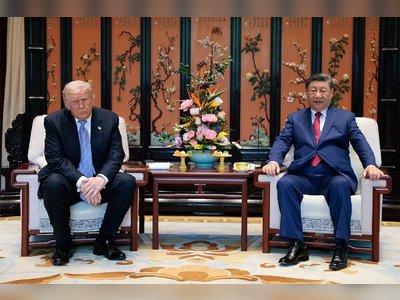
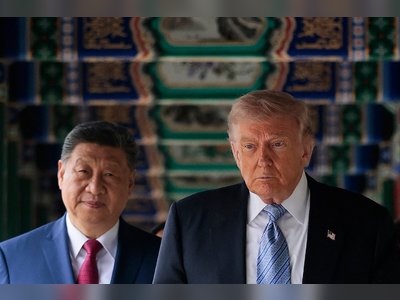
President Trump’s recent trip to China was intended in part to stabilize trade relations and secure economic commitments that could offset domestic cost pressures.
The administration highlighted potential agreements involving aircraft purchases and agricultural exports, including Boeing aircraft sales and soybean trade expansion.
However, no comprehensive or fully confirmed trade package has been publicly detailed, and key elements remain unfinalized.
The absence of clear economic deliverables has intensified scrutiny of the trip’s domestic political value.
While the administration presented the visit as diplomatically productive, the immediate economic indicators at home have continued to move in the opposite direction, reinforcing perceptions that international engagement has not yet translated into measurable relief for consumers.
Political reactions have been sharply divided.
Supporters of the administration argue that inflationary pressure is largely a consequence of external shocks, including energy disruptions and global instability, while critics point to tariff policy and broader economic strategy as contributing factors that may be amplifying price increases.
Within the administration, officials have emphasized that inflation remains a central priority and have pointed to future policy measures aimed at reducing costs in key sectors such as food and energy.
However, market conditions suggest that any stabilization will depend heavily on global supply dynamics as well as domestic fiscal and trade policy decisions.
The current situation places the White House in a difficult position: attempting to maintain diplomatic momentum abroad while managing rising cost-of-living pressures at home.
With inflation eroding real wages and energy costs remaining volatile, economic performance is likely to remain the dominant political issue in the near term, shaping both policy choices and electoral strategy.
The immediate consequence is a tightening policy environment in which economic outcomes, rather than diplomatic messaging, will determine public confidence and political traction heading into the next major electoral cycle.
The latest available data show annual consumer inflation in the United States rising to three point eight percent in April, marking an increase from earlier levels after months of gradual price pressure.
Economic analysts attribute the acceleration to a combination of factors, including higher energy costs, trade tariffs, and disruptions linked to international conflict, particularly tensions affecting global oil routes.
The timing of the inflation surge has sharpened political stakes.
The increase comes as inflation is reported to be outpacing wage growth, meaning household purchasing power is effectively declining even as employment remains stable.
Forecasts from regional Federal Reserve indicators suggest inflation could climb further in the near term, with estimates pointing toward levels above four percent if energy prices remain elevated.
Energy markets have become a key transmission channel for inflation.
Rising gasoline prices have been linked to geopolitical instability and constraints on major shipping routes, which have tightened global oil supply expectations.
These pressures have fed into transportation, utilities, and consumer goods pricing, extending inflation beyond isolated sectors into everyday household spending categories.
The broader economic impact is also reflected in financial markets, where rising government borrowing costs have added pressure to interest rates.
The yield on ten-year U.S. government debt has increased in recent trading, signaling higher long-term financing costs that affect mortgages, auto loans, and business credit conditions.
President Trump’s recent trip to China was intended in part to stabilize trade relations and secure economic commitments that could offset domestic cost pressures.
The administration highlighted potential agreements involving aircraft purchases and agricultural exports, including Boeing aircraft sales and soybean trade expansion.
However, no comprehensive or fully confirmed trade package has been publicly detailed, and key elements remain unfinalized.
The absence of clear economic deliverables has intensified scrutiny of the trip’s domestic political value.
While the administration presented the visit as diplomatically productive, the immediate economic indicators at home have continued to move in the opposite direction, reinforcing perceptions that international engagement has not yet translated into measurable relief for consumers.
Political reactions have been sharply divided.
Supporters of the administration argue that inflationary pressure is largely a consequence of external shocks, including energy disruptions and global instability, while critics point to tariff policy and broader economic strategy as contributing factors that may be amplifying price increases.
Within the administration, officials have emphasized that inflation remains a central priority and have pointed to future policy measures aimed at reducing costs in key sectors such as food and energy.
However, market conditions suggest that any stabilization will depend heavily on global supply dynamics as well as domestic fiscal and trade policy decisions.
The current situation places the White House in a difficult position: attempting to maintain diplomatic momentum abroad while managing rising cost-of-living pressures at home.
With inflation eroding real wages and energy costs remaining volatile, economic performance is likely to remain the dominant political issue in the near term, shaping both policy choices and electoral strategy.
The immediate consequence is a tightening policy environment in which economic outcomes, rather than diplomatic messaging, will determine public confidence and political traction heading into the next major electoral cycle.