White HouseSenateThe HouseSupreme CourtFederal ReserveDOJState DepartmentTreasuryCensusBudget OfficeTrade Representative
WashingTone
Informed by Washington, Defined by Insight
Saturday, May 23, 2026
WashingTone

Washington Metro Reemerges as a Model Transit System After Decades of Decline
Ridership recovery, infrastructure modernization, and operational reform are reshaping the Washington Metro from a symbol of dysfunction into one of the most closely watched urban transit turnarounds in the United States.
SYSTEM-DRIVEN forces define the renewed attention surrounding the Washington Metro, formally known as the Washington Metropolitan Area Transit Authority system, as the rail network undergoes a broad operational recovery after years marked by safety failures, declining ridership, deferred maintenance, and public distrust.
The current story is not driven by a single event but by a sustained institutional transformation that has altered how one of America’s largest transit systems functions.
What is confirmed is that Metro has significantly improved reliability, service frequency, and ridership performance over the past two years while continuing large-scale infrastructure upgrades across its rail and bus systems.
The network, which serves Washington, Maryland, and Virginia, had previously become associated with chronic delays, derailments, smoke incidents, and governance failures that damaged confidence among commuters and federal officials alike.
The most important operational shift has been the system’s transition from crisis management toward structured modernization.
Metro accelerated track replacement, railcar rehabilitation, power system upgrades, and automatic train control improvements after years of federal scrutiny and safety intervention.
The return of more railcars into active service has also allowed operators to increase train frequency across multiple lines, reducing wait times and improving reliability.
Ridership recovery has become one of the clearest indicators of institutional stabilization.
Passenger numbers remain below pre-pandemic peaks, reflecting lasting changes in remote work patterns across the federal workforce and downtown office economy, but usage has risen steadily as service consistency improved.
Metro has also benefited from Washington’s unusually high concentration of transit-dependent federal workers, tourists, students, and event traffic.
The network’s architectural identity has contributed to renewed public fascination with the system itself.
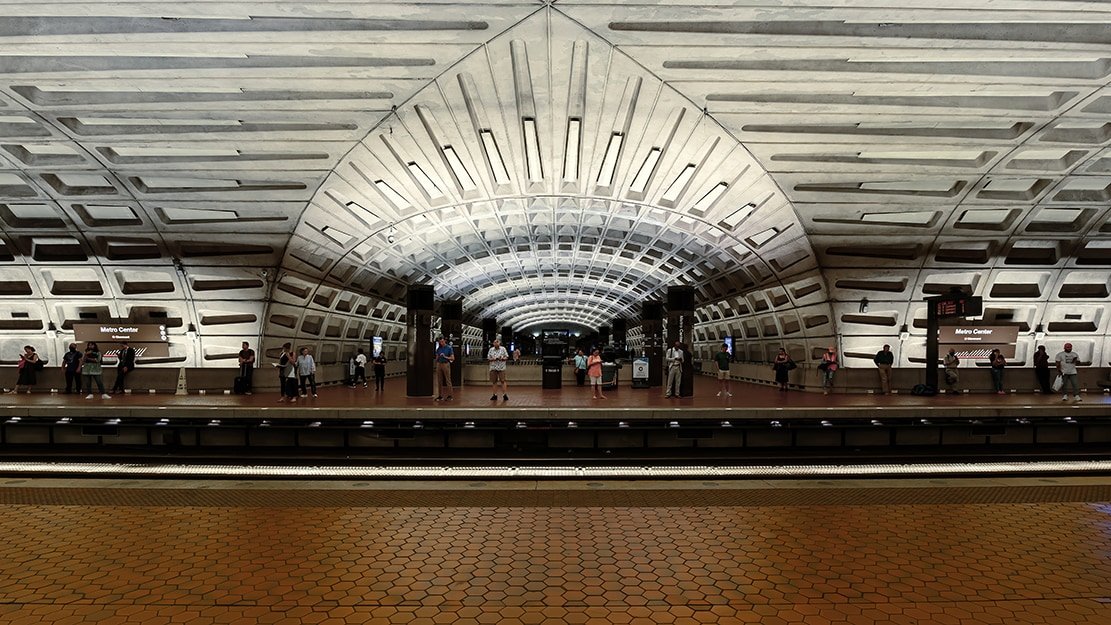
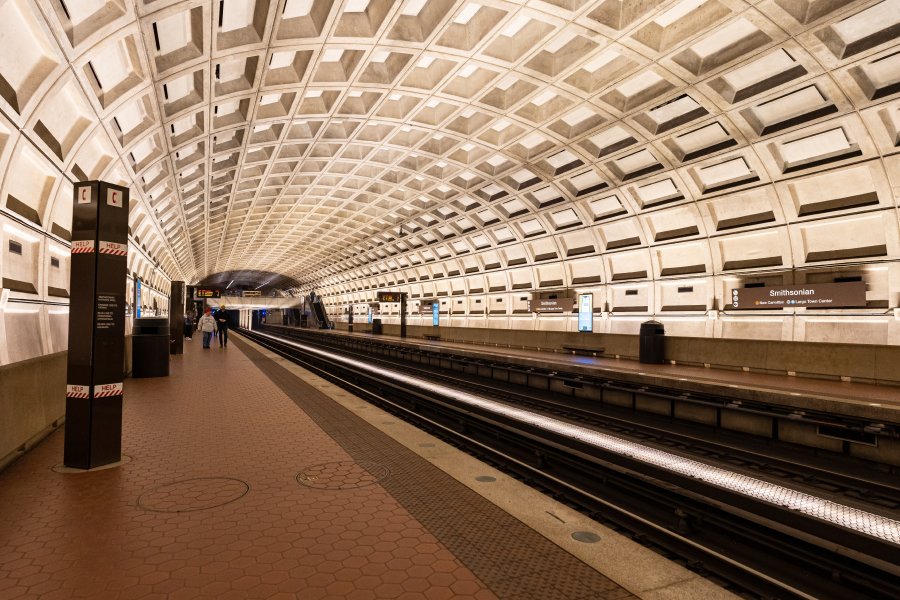
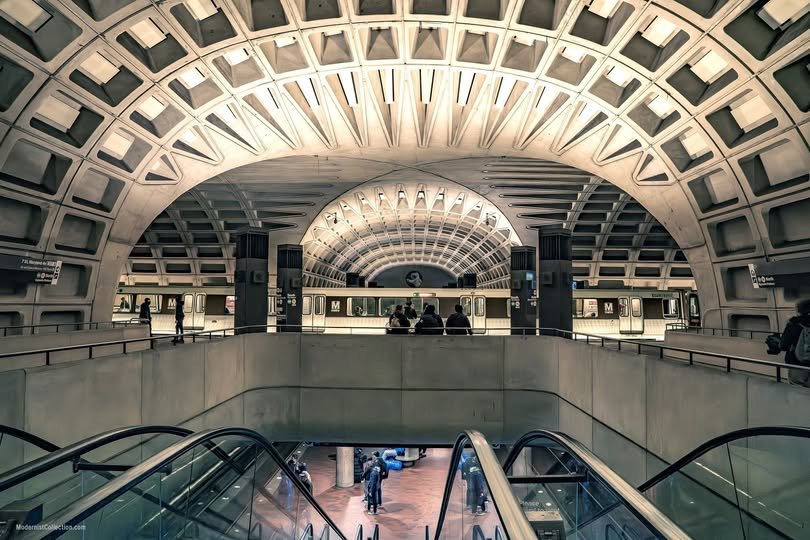
Designed with expansive vaulted concrete stations, subdued lighting, and highly standardized visual layouts, the Metro has long been regarded as one of the most distinctive subway systems in the world.
Recent public attention has focused not only on operational recovery but also on the system’s unusual combination of monumental civic design and dense regional connectivity.
The stakes extend beyond transportation.
Washington’s Metro is deeply tied to the economic and political functioning of the US capital region.
Federal agencies, contractors, tourism infrastructure, universities, and commercial districts rely on stable transit operations to sustain workforce movement and urban activity.
Failures within the network therefore carry national implications that exceed ordinary municipal transit concerns.
Metro’s recovery effort has also become a test case for whether large American public infrastructure systems can rebuild credibility after prolonged institutional decline.
Unlike many transit agencies facing severe fiscal contraction, Metro secured continued regional funding support while restructuring maintenance priorities and operational oversight.
Leadership changes and stronger safety enforcement mechanisms have played a central role in this process.
At the same time, structural pressures remain.
Hybrid work patterns continue to limit weekday commuter demand, operating costs remain high, and long-term capital investment needs are substantial.
Metro must now sustain improved service while adapting to a transportation market that no longer revolves exclusively around five-day office commuting.
The practical consequence is that Washington Metro has moved from being viewed primarily as a failing transit network to becoming an increasingly credible example of urban infrastructure recovery, with its modernization efforts now influencing broader debates about public transportation investment and institutional reform across the United States.
The current story is not driven by a single event but by a sustained institutional transformation that has altered how one of America’s largest transit systems functions.
What is confirmed is that Metro has significantly improved reliability, service frequency, and ridership performance over the past two years while continuing large-scale infrastructure upgrades across its rail and bus systems.
The network, which serves Washington, Maryland, and Virginia, had previously become associated with chronic delays, derailments, smoke incidents, and governance failures that damaged confidence among commuters and federal officials alike.
The most important operational shift has been the system’s transition from crisis management toward structured modernization.
Metro accelerated track replacement, railcar rehabilitation, power system upgrades, and automatic train control improvements after years of federal scrutiny and safety intervention.
The return of more railcars into active service has also allowed operators to increase train frequency across multiple lines, reducing wait times and improving reliability.
Ridership recovery has become one of the clearest indicators of institutional stabilization.
Passenger numbers remain below pre-pandemic peaks, reflecting lasting changes in remote work patterns across the federal workforce and downtown office economy, but usage has risen steadily as service consistency improved.
Metro has also benefited from Washington’s unusually high concentration of transit-dependent federal workers, tourists, students, and event traffic.
The network’s architectural identity has contributed to renewed public fascination with the system itself.
Designed with expansive vaulted concrete stations, subdued lighting, and highly standardized visual layouts, the Metro has long been regarded as one of the most distinctive subway systems in the world.
Recent public attention has focused not only on operational recovery but also on the system’s unusual combination of monumental civic design and dense regional connectivity.
The stakes extend beyond transportation.
Washington’s Metro is deeply tied to the economic and political functioning of the US capital region.
Federal agencies, contractors, tourism infrastructure, universities, and commercial districts rely on stable transit operations to sustain workforce movement and urban activity.
Failures within the network therefore carry national implications that exceed ordinary municipal transit concerns.
Metro’s recovery effort has also become a test case for whether large American public infrastructure systems can rebuild credibility after prolonged institutional decline.
Unlike many transit agencies facing severe fiscal contraction, Metro secured continued regional funding support while restructuring maintenance priorities and operational oversight.
Leadership changes and stronger safety enforcement mechanisms have played a central role in this process.
At the same time, structural pressures remain.
Hybrid work patterns continue to limit weekday commuter demand, operating costs remain high, and long-term capital investment needs are substantial.
Metro must now sustain improved service while adapting to a transportation market that no longer revolves exclusively around five-day office commuting.
The practical consequence is that Washington Metro has moved from being viewed primarily as a failing transit network to becoming an increasingly credible example of urban infrastructure recovery, with its modernization efforts now influencing broader debates about public transportation investment and institutional reform across the United States.