White HouseSenateThe HouseSupreme CourtFederal ReserveDOJState DepartmentTreasuryCensusBudget OfficeTrade Representative
WashingTone
Informed by Washington, Defined by Insight
Saturday, May 23, 2026
WashingTone

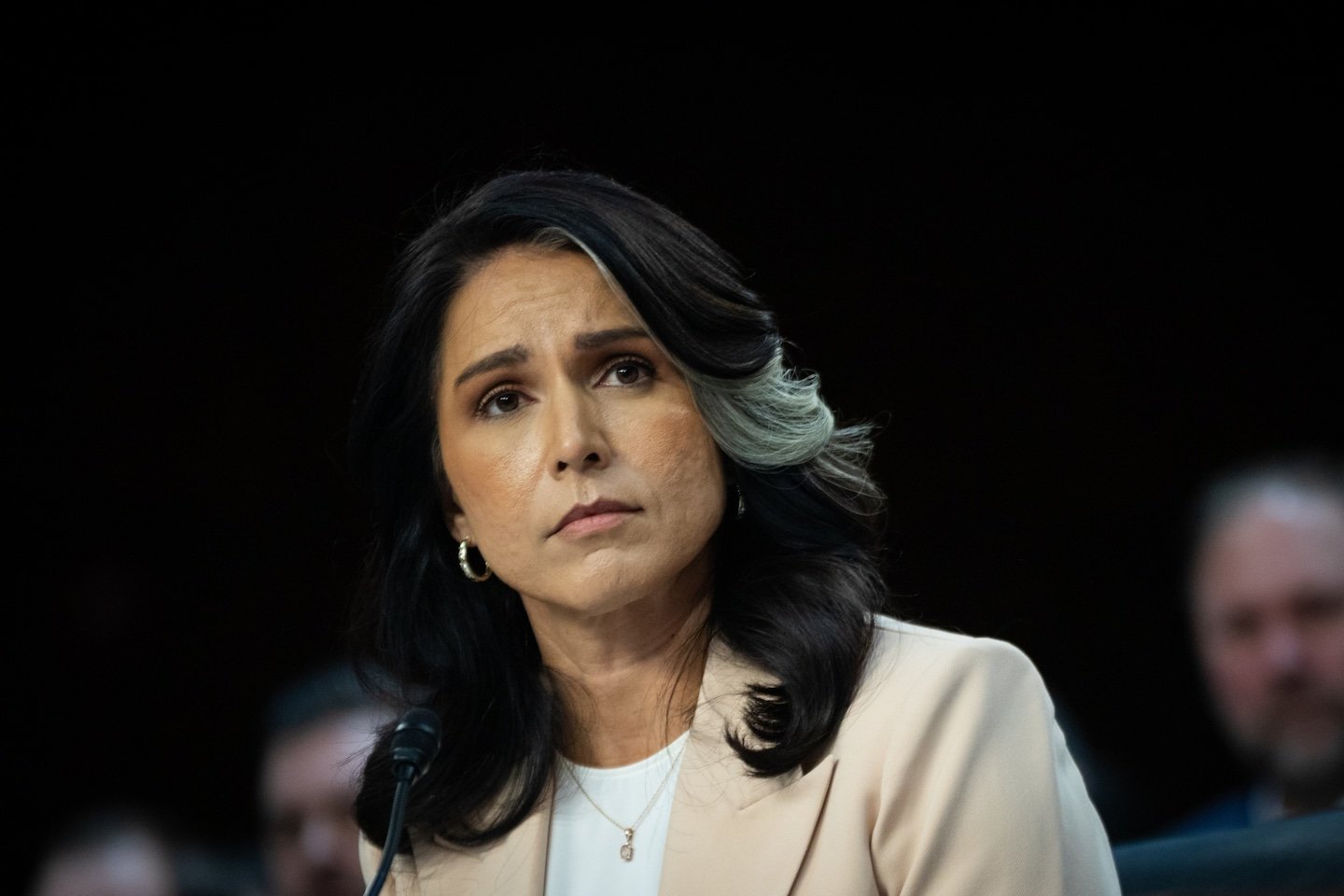
Tulsi Gabbard Steps Down as Director of National Intelligence Amid Political and Intelligence Community Tensions
The departure of the U.S. intelligence chief marks a major leadership shift at the top of the nation’s spy agencies, raising questions about oversight, coordination, and policy direction.
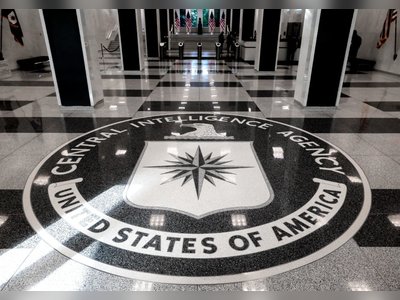
The Office of the Director of National Intelligence, the U.S. government body responsible for coordinating the country’s intelligence agencies, has entered a leadership transition following the resignation of Tulsi Gabbard as director.
What is confirmed is that Gabbard has stepped down from her role overseeing the intelligence community, a position that includes supervision of agencies such as the CIA, NSA, and FBI intelligence divisions through coordination rather than direct command.
Her departure removes the principal official responsible for integrating intelligence assessments across the U.S. government.
The role of Director of National Intelligence was created after the September eleventh attacks to prevent the kind of coordination failures that preceded the terrorist strike.
It is designed to ensure that intelligence gathered across multiple agencies is synthesized into unified national security assessments for the president and senior policymakers.
Gabbard’s tenure was marked by internal and external political scrutiny.
As a former member of Congress and a public figure with an independent political profile, her appointment had already drawn debate over whether she would prioritize reform of the intelligence community or maintain existing structures.
The key issue now is continuity.
Leadership transitions in the intelligence community are sensitive because they occur at the intersection of national security, classified operations, and foreign policy decision-making.
Even short periods of uncertainty can affect coordination between agencies responsible for counterterrorism, cyber defense, and geopolitical analysis.
Her resignation comes at a time of elevated global security pressures, including ongoing conflicts in multiple regions, heightened cyber threats, and increased competition among major powers for intelligence dominance.
The Director of National Intelligence plays a central role in prioritizing threat assessments and briefing the president on strategic risks.
Officials have not publicly detailed the internal reasons for her departure, but transitions at this level typically reflect a combination of political alignment, policy disagreements, and administrative restructuring.
The intelligence community is deeply interconnected with the executive branch, making leadership stability a key factor in operational continuity.
The White House is expected to move quickly to appoint an interim or permanent successor.
Until that occurs, deputy officials within the Office of the Director of National Intelligence will oversee coordination functions, but major strategic decisions are likely to be deferred or handled through established agency channels.
The intelligence community has experienced periods of political friction in recent years over surveillance authority, classification practices, and the balance between civil liberties and national security.
Leadership changes at the top often signal shifts in how aggressively those debates are managed.
Gabbard’s resignation also has implications for congressional oversight.
Lawmakers rely heavily on the Director of National Intelligence to provide consolidated assessments of global threats, budget priorities, and intelligence failures.
A leadership gap can slow the flow of information between agencies and Congress during sensitive periods.
The broader consequence is that the U.S. intelligence system is entering another phase of transition at a time when global intelligence demands are expanding.
The ability of the next director to quickly establish authority across competing agencies will shape how effectively the United States responds to emerging security challenges in the coming months.
What is confirmed is that Gabbard has stepped down from her role overseeing the intelligence community, a position that includes supervision of agencies such as the CIA, NSA, and FBI intelligence divisions through coordination rather than direct command.
Her departure removes the principal official responsible for integrating intelligence assessments across the U.S. government.
The role of Director of National Intelligence was created after the September eleventh attacks to prevent the kind of coordination failures that preceded the terrorist strike.
It is designed to ensure that intelligence gathered across multiple agencies is synthesized into unified national security assessments for the president and senior policymakers.
Gabbard’s tenure was marked by internal and external political scrutiny.
As a former member of Congress and a public figure with an independent political profile, her appointment had already drawn debate over whether she would prioritize reform of the intelligence community or maintain existing structures.
The key issue now is continuity.
Leadership transitions in the intelligence community are sensitive because they occur at the intersection of national security, classified operations, and foreign policy decision-making.
Even short periods of uncertainty can affect coordination between agencies responsible for counterterrorism, cyber defense, and geopolitical analysis.
Her resignation comes at a time of elevated global security pressures, including ongoing conflicts in multiple regions, heightened cyber threats, and increased competition among major powers for intelligence dominance.
The Director of National Intelligence plays a central role in prioritizing threat assessments and briefing the president on strategic risks.
Officials have not publicly detailed the internal reasons for her departure, but transitions at this level typically reflect a combination of political alignment, policy disagreements, and administrative restructuring.
The intelligence community is deeply interconnected with the executive branch, making leadership stability a key factor in operational continuity.
The White House is expected to move quickly to appoint an interim or permanent successor.
Until that occurs, deputy officials within the Office of the Director of National Intelligence will oversee coordination functions, but major strategic decisions are likely to be deferred or handled through established agency channels.
The intelligence community has experienced periods of political friction in recent years over surveillance authority, classification practices, and the balance between civil liberties and national security.
Leadership changes at the top often signal shifts in how aggressively those debates are managed.
Gabbard’s resignation also has implications for congressional oversight.
Lawmakers rely heavily on the Director of National Intelligence to provide consolidated assessments of global threats, budget priorities, and intelligence failures.
A leadership gap can slow the flow of information between agencies and Congress during sensitive periods.
The broader consequence is that the U.S. intelligence system is entering another phase of transition at a time when global intelligence demands are expanding.
The ability of the next director to quickly establish authority across competing agencies will shape how effectively the United States responds to emerging security challenges in the coming months.