White HouseSenateThe HouseSupreme CourtFederal ReserveDOJState DepartmentTreasuryCensusBudget OfficeTrade Representative
WashingTone
Informed by Washington, Defined by Insight
Saturday, May 23, 2026
WashingTone

US Economic Confidence Falls to Near Four-Year Low as Inflation and Energy Costs Hit Voters
New polling shows broad deterioration in public confidence across party lines, increasing pressure on the White House and reshaping the political landscape ahead of midterm elections.
SYSTEM-DRIVEN economic pressures are driving American voter confidence in the economy down to its weakest level in nearly four years, exposing a widening gap between headline economic performance and the financial reality experienced by households.
What is confirmed is that new national polling shows a sharp deterioration in public sentiment about economic conditions.
Gallup’s Economic Confidence Index dropped to negative forty-five in May, its lowest reading since late two thousand twenty-two.
Only sixteen percent of respondents described the economy as excellent or good, while nearly half rated it poor.
More than three-quarters said economic conditions are getting worse.
The decline reflects mounting anxiety over inflation, fuel prices, and household affordability.
Energy costs have become a central driver after geopolitical instability involving Iran disrupted oil markets and pushed gasoline prices sharply higher across the United States.
Average fuel prices have moved well above levels seen a year ago, adding pressure to transportation, food distribution, and consumer spending.
The downturn in sentiment matters because consumer confidence is one of the most politically sensitive economic indicators in the United States.
Even when employment remains relatively stable, rising living costs can rapidly erode public trust in government economic management.
The latest polling suggests that dissatisfaction is no longer concentrated solely among opposition voters.
Republican confidence in the economy has also weakened compared with earlier months, while independent voters show especially sharp declines.
The broader economic picture is more complicated than the polling alone suggests.
Unemployment remains comparatively low by historical standards, and some sectors of the economy continue to expand.
Retail spending has not collapsed, and financial markets have avoided sustained panic.
However, voters appear increasingly focused on day-to-day affordability rather than traditional macroeconomic indicators.
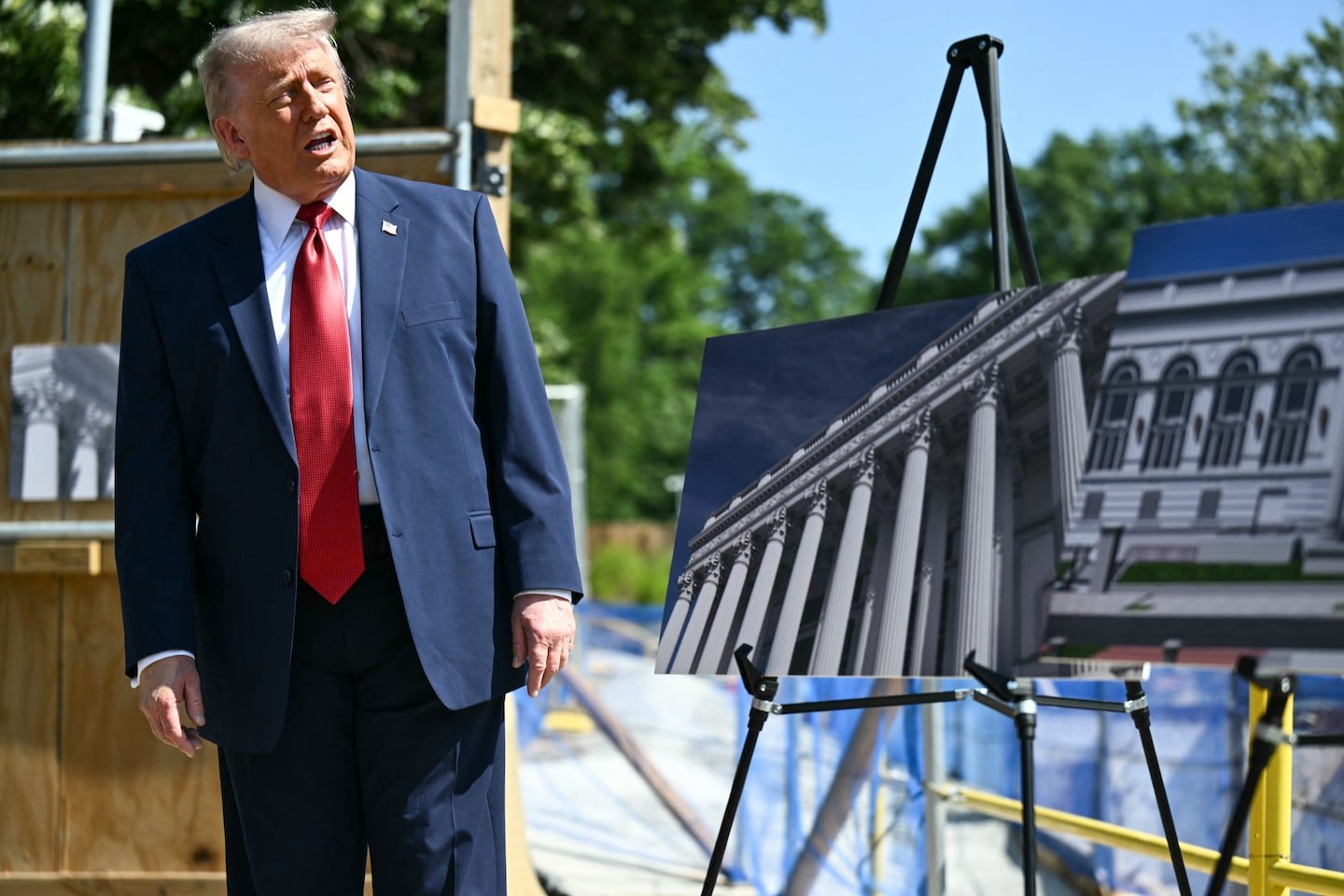
That disconnect is becoming a defining political challenge for President Donald Trump’s administration during his second term.
Trump returned to office promising lower prices, stronger energy production, and renewed consumer prosperity.
Instead, many households are confronting rising fuel bills, elevated grocery prices, and persistent inflation concerns.
Polling now shows weakening approval ratings tied directly to economic management.
The White House has argued that temporary disruptions linked to military operations and global instability are obscuring longer-term economic gains.
Administration officials continue emphasizing deregulation, tax reductions, domestic energy expansion, and business investment as foundations for future growth.
Supporters also point to continued hiring in parts of the private sector and ongoing infrastructure and industrial investment.
But financial pressure is increasingly visible across income groups.
Lower-income Americans are being hit hardest by rising gasoline and food costs because those expenses consume a larger share of household budgets.
Middle-income families are also facing higher borrowing costs, insurance premiums, and housing expenses.
Inflation expectations are climbing again, creating additional concern inside financial markets and at the Federal Reserve.
The political implications are substantial because economic perception often shapes midterm election outcomes more strongly than foreign policy or ideological debates.
Polling now suggests that cost-of-living issues have overtaken most other voter concerns.
Democrats are attempting to capitalize on affordability frustrations, while Republicans are trying to prevent economic dissatisfaction from overwhelming their broader policy agenda.
Another important development is the growing erosion of confidence among independent voters.
Historically, swings in independent voter sentiment have served as an early warning sign for broader electoral instability.
Current polling indicates independents are increasingly pessimistic not only about present conditions but also about the economy’s direction over the coming year.
The deterioration in confidence also raises practical economic risks.
Consumer sentiment does not automatically trigger recession, but prolonged pessimism can reduce discretionary spending, weaken investment activity, and slow hiring decisions.
If inflation remains elevated while confidence continues falling, policymakers could face pressure to balance economic stimulus against the risk of worsening price growth.
The latest polling confirms that affordability, not abstract economic growth statistics, has become the defining measure of economic success for American voters heading into the next phase of the political cycle.
What is confirmed is that new national polling shows a sharp deterioration in public sentiment about economic conditions.
Gallup’s Economic Confidence Index dropped to negative forty-five in May, its lowest reading since late two thousand twenty-two.
Only sixteen percent of respondents described the economy as excellent or good, while nearly half rated it poor.
More than three-quarters said economic conditions are getting worse.
The decline reflects mounting anxiety over inflation, fuel prices, and household affordability.
Energy costs have become a central driver after geopolitical instability involving Iran disrupted oil markets and pushed gasoline prices sharply higher across the United States.
Average fuel prices have moved well above levels seen a year ago, adding pressure to transportation, food distribution, and consumer spending.
The downturn in sentiment matters because consumer confidence is one of the most politically sensitive economic indicators in the United States.
Even when employment remains relatively stable, rising living costs can rapidly erode public trust in government economic management.
The latest polling suggests that dissatisfaction is no longer concentrated solely among opposition voters.
Republican confidence in the economy has also weakened compared with earlier months, while independent voters show especially sharp declines.
The broader economic picture is more complicated than the polling alone suggests.
Unemployment remains comparatively low by historical standards, and some sectors of the economy continue to expand.
Retail spending has not collapsed, and financial markets have avoided sustained panic.
However, voters appear increasingly focused on day-to-day affordability rather than traditional macroeconomic indicators.
That disconnect is becoming a defining political challenge for President Donald Trump’s administration during his second term.
Trump returned to office promising lower prices, stronger energy production, and renewed consumer prosperity.
Instead, many households are confronting rising fuel bills, elevated grocery prices, and persistent inflation concerns.
Polling now shows weakening approval ratings tied directly to economic management.
The White House has argued that temporary disruptions linked to military operations and global instability are obscuring longer-term economic gains.
Administration officials continue emphasizing deregulation, tax reductions, domestic energy expansion, and business investment as foundations for future growth.
Supporters also point to continued hiring in parts of the private sector and ongoing infrastructure and industrial investment.
But financial pressure is increasingly visible across income groups.
Lower-income Americans are being hit hardest by rising gasoline and food costs because those expenses consume a larger share of household budgets.
Middle-income families are also facing higher borrowing costs, insurance premiums, and housing expenses.
Inflation expectations are climbing again, creating additional concern inside financial markets and at the Federal Reserve.
The political implications are substantial because economic perception often shapes midterm election outcomes more strongly than foreign policy or ideological debates.
Polling now suggests that cost-of-living issues have overtaken most other voter concerns.
Democrats are attempting to capitalize on affordability frustrations, while Republicans are trying to prevent economic dissatisfaction from overwhelming their broader policy agenda.
Another important development is the growing erosion of confidence among independent voters.
Historically, swings in independent voter sentiment have served as an early warning sign for broader electoral instability.
Current polling indicates independents are increasingly pessimistic not only about present conditions but also about the economy’s direction over the coming year.
The deterioration in confidence also raises practical economic risks.
Consumer sentiment does not automatically trigger recession, but prolonged pessimism can reduce discretionary spending, weaken investment activity, and slow hiring decisions.
If inflation remains elevated while confidence continues falling, policymakers could face pressure to balance economic stimulus against the risk of worsening price growth.
The latest polling confirms that affordability, not abstract economic growth statistics, has become the defining measure of economic success for American voters heading into the next phase of the political cycle.