White HouseSenateThe HouseSupreme CourtFederal ReserveDOJState DepartmentTreasuryCensusBudget OfficeTrade Representative
WashingTone
Informed by Washington, Defined by Insight
Saturday, May 23, 2026
WashingTone

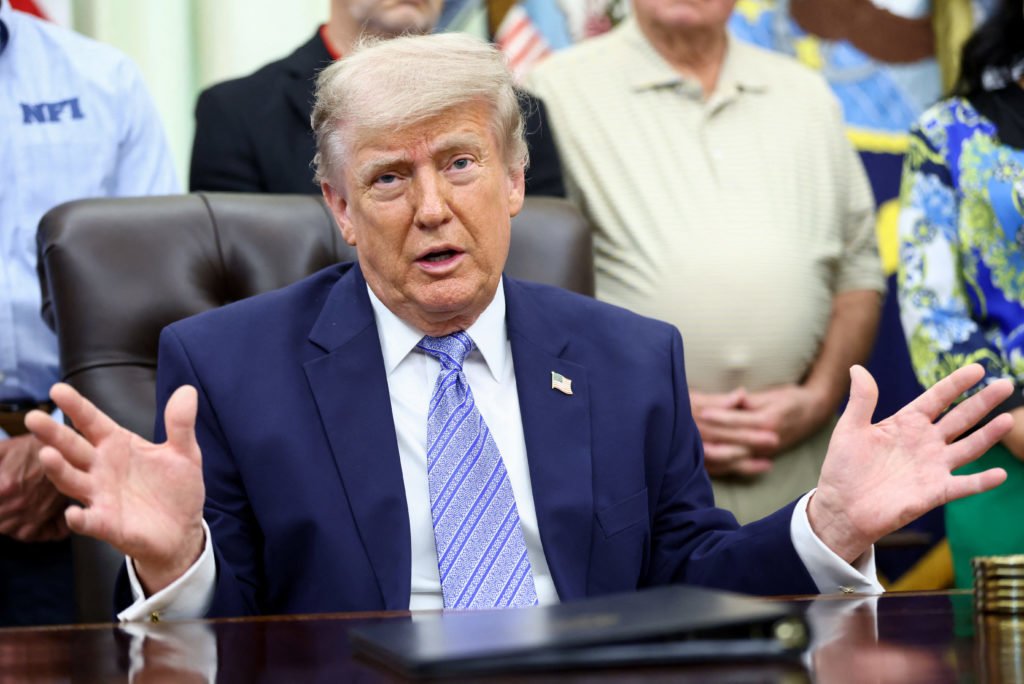
Experts Warn Presidential Tax Audit Immunity Could Erode Confidence in IRS Independence
Legal and policy analysts raise concerns that protections shielding a sitting president from IRS scrutiny may weaken public trust in tax enforcement neutrality.
SYSTEM-DRIVEN: The dispute centers on the structural independence of the U.S. tax enforcement system and the balance of power between the executive branch and the Internal Revenue Service, particularly in relation to oversight of the president’s personal finances.
Tax policy experts and legal scholars are warning that provisions effectively shielding a sitting U.S. president from routine Internal Revenue Service scrutiny could undermine public confidence in the fairness and neutrality of the tax system.
The concern is not limited to any single administration but instead focuses on the institutional principle that tax enforcement must be applied uniformly, without regard to political office.
The Internal Revenue Service, the federal agency responsible for administering and enforcing tax laws, has long operated under rules intended to prevent conflicts of interest when auditing high-ranking officials.
In practice, presidential tax returns are subject to special handling procedures designed to limit direct political interference while maintaining nominal oversight mechanisms.
Critics argue that these safeguards, while intended to protect independence, may in effect create a perception of immunity when they are too restrictive or opaque.
Legal experts note that the U.S. Constitution does not explicitly grant a sitting president immunity from tax audits.
However, longstanding administrative practice and internal IRS protocols have often resulted in heightened procedural barriers around audits of sitting presidents.
This has led to periodic debate over whether such practices are necessary for executive protection or whether they erode equal application of tax law.
The current warning reflects broader concerns about institutional trust in federal agencies.
The IRS, already facing scrutiny over enforcement disparities and resource constraints, relies heavily on public perception of neutrality to maintain compliance across income levels.
Analysts argue that any perception that political leaders are insulated from standard enforcement mechanisms could weaken voluntary compliance, which is the foundation of the U.S. tax system.
Supporters of strict audit protections argue that the presidency requires additional safeguards to prevent politically motivated investigations that could disrupt governance.
They maintain that enhanced procedural barriers are necessary to prevent the tax system from being used as a political weapon.
Critics counter that such protections must be narrowly tailored and transparent to avoid the appearance of special treatment.
The debate has also resurfaced amid broader discussions about presidential financial disclosure, ethics enforcement, and the scope of executive accountability.
While no formal change in IRS policy has been announced, the renewed attention underscores continuing tensions between institutional independence and democratic accountability in high-level governance.
The outcome of this debate is likely to shape how future administrations are audited and how the public perceives the impartiality of federal tax enforcement, particularly at a time when trust in national institutions remains politically sensitive.
Tax policy experts and legal scholars are warning that provisions effectively shielding a sitting U.S. president from routine Internal Revenue Service scrutiny could undermine public confidence in the fairness and neutrality of the tax system.
The concern is not limited to any single administration but instead focuses on the institutional principle that tax enforcement must be applied uniformly, without regard to political office.
The Internal Revenue Service, the federal agency responsible for administering and enforcing tax laws, has long operated under rules intended to prevent conflicts of interest when auditing high-ranking officials.
In practice, presidential tax returns are subject to special handling procedures designed to limit direct political interference while maintaining nominal oversight mechanisms.
Critics argue that these safeguards, while intended to protect independence, may in effect create a perception of immunity when they are too restrictive or opaque.
Legal experts note that the U.S. Constitution does not explicitly grant a sitting president immunity from tax audits.
However, longstanding administrative practice and internal IRS protocols have often resulted in heightened procedural barriers around audits of sitting presidents.
This has led to periodic debate over whether such practices are necessary for executive protection or whether they erode equal application of tax law.
The current warning reflects broader concerns about institutional trust in federal agencies.
The IRS, already facing scrutiny over enforcement disparities and resource constraints, relies heavily on public perception of neutrality to maintain compliance across income levels.
Analysts argue that any perception that political leaders are insulated from standard enforcement mechanisms could weaken voluntary compliance, which is the foundation of the U.S. tax system.
Supporters of strict audit protections argue that the presidency requires additional safeguards to prevent politically motivated investigations that could disrupt governance.
They maintain that enhanced procedural barriers are necessary to prevent the tax system from being used as a political weapon.
Critics counter that such protections must be narrowly tailored and transparent to avoid the appearance of special treatment.
The debate has also resurfaced amid broader discussions about presidential financial disclosure, ethics enforcement, and the scope of executive accountability.
While no formal change in IRS policy has been announced, the renewed attention underscores continuing tensions between institutional independence and democratic accountability in high-level governance.
The outcome of this debate is likely to shape how future administrations are audited and how the public perceives the impartiality of federal tax enforcement, particularly at a time when trust in national institutions remains politically sensitive.