White HouseSenateThe HouseSupreme CourtFederal ReserveDOJState DepartmentTreasuryCensusBudget OfficeTrade Representative
WashingTone
Informed by Washington, Defined by Insight
Friday, May 08, 2026
WashingTone

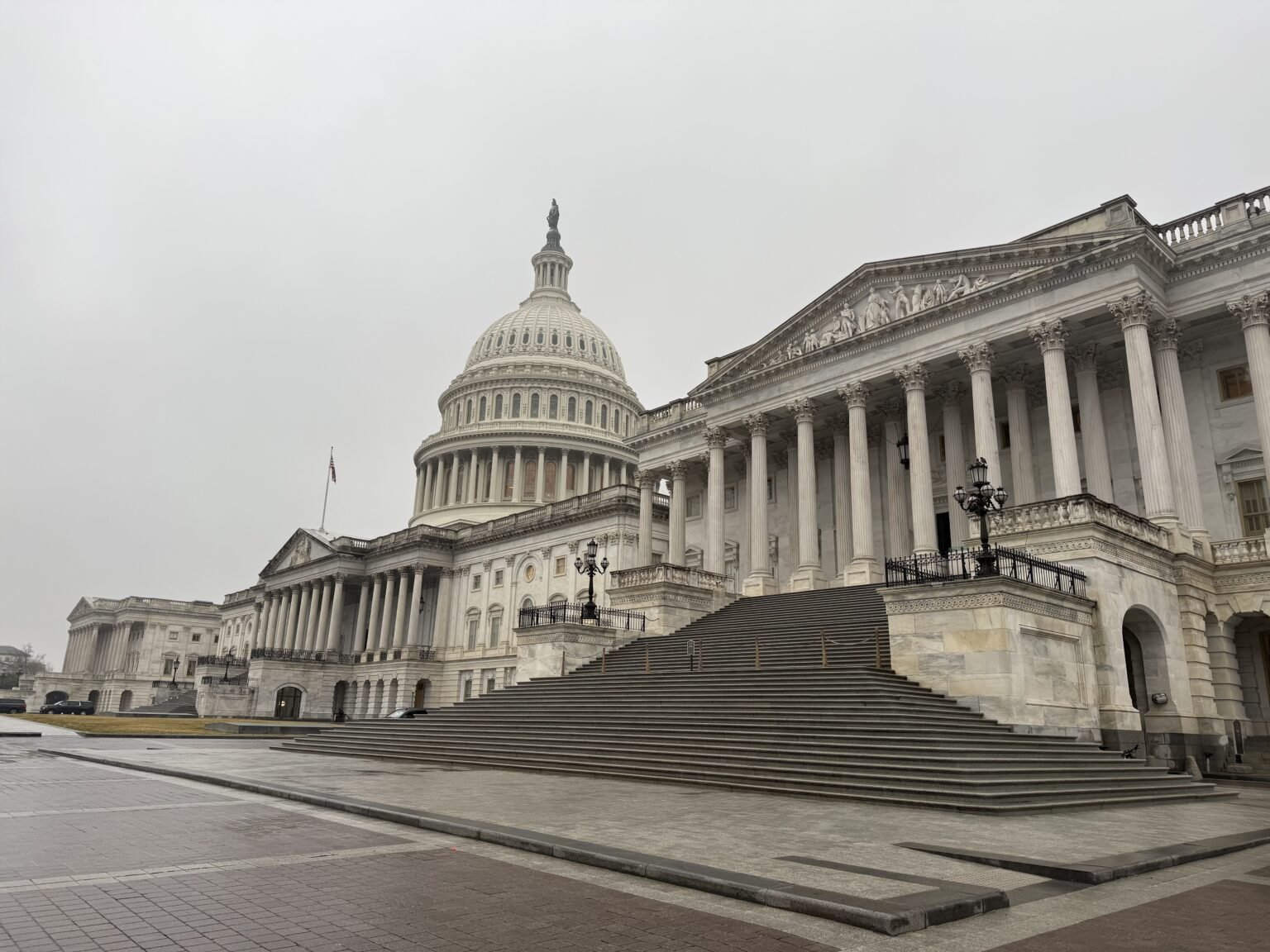
Washington Democrats Reassess Congressional Map After Supreme Court Voting Rights Ruling
State lawmakers explore redistricting paths following a court decision that could reshape how minority representation is protected in federal districts
SYSTEM-DRIVEN political and legal dynamics are now shaping Washington state’s reconsideration of its congressional district boundaries following a recent U.S. Supreme Court decision affecting the interpretation of the Voting Rights Act and race-based considerations in redistricting.
What is confirmed is that Washington state Democratic lawmakers are actively evaluating whether and how to adjust congressional district maps in response to the ruling, which has significant implications for how states may legally account for race when drawing electoral boundaries.
The discussions are taking place within the state legislature and among redistricting authorities responsible for ensuring compliance with both federal law and constitutional requirements.
The Supreme Court decision at the center of the debate narrowed the conditions under which race can be used as a dominant factor in redistricting.
It built on a series of prior rulings that have increasingly constrained the use of race-conscious district design, while still requiring states to ensure compliance with protections against vote dilution under the Voting Rights Act of nineteen sixty-five.
In Washington, the immediate policy question is whether existing congressional maps—drawn following the most recent census cycle—remain legally defensible under the updated judicial interpretation.
Lawmakers are weighing whether modifications are necessary to avoid potential legal challenges, particularly in districts where minority populations are geographically concentrated but politically divided.
The process is complicated by competing legal obligations.
On one side is the requirement to avoid racial gerrymandering, which the Supreme Court has repeatedly ruled unconstitutional when race is the predominant factor without sufficient justification.
On the other is the obligation to protect minority voting strength where evidence shows that electoral systems dilute those votes.
Washington’s political environment adds another layer of complexity.
The state uses a bipartisan redistricting commission intended to reduce direct partisan control over map drawing.
Any adjustments following the court ruling would need to be negotiated within that framework, limiting the ability of any single party to unilaterally reshape district boundaries.
The stakes are significant for both parties.
Even minor shifts in district lines can influence control of closely contested seats in the U.S. House of Representatives, where narrow majorities have made individual districts highly consequential.
Redistricting decisions in Washington could therefore have implications that extend beyond the state, affecting the broader national balance of power.
The broader consequence of the Supreme Court ruling is a continued tightening of legal standards governing how states can balance racial representation and traditional redistricting criteria such as compactness, community boundaries, and political fairness.
Washington’s current deliberations reflect how states are now forced to reinterpret existing maps under a more restrictive legal framework while maintaining compliance with federal voting protections.
What is confirmed is that Washington state Democratic lawmakers are actively evaluating whether and how to adjust congressional district maps in response to the ruling, which has significant implications for how states may legally account for race when drawing electoral boundaries.
The discussions are taking place within the state legislature and among redistricting authorities responsible for ensuring compliance with both federal law and constitutional requirements.
The Supreme Court decision at the center of the debate narrowed the conditions under which race can be used as a dominant factor in redistricting.
It built on a series of prior rulings that have increasingly constrained the use of race-conscious district design, while still requiring states to ensure compliance with protections against vote dilution under the Voting Rights Act of nineteen sixty-five.
In Washington, the immediate policy question is whether existing congressional maps—drawn following the most recent census cycle—remain legally defensible under the updated judicial interpretation.
Lawmakers are weighing whether modifications are necessary to avoid potential legal challenges, particularly in districts where minority populations are geographically concentrated but politically divided.
The process is complicated by competing legal obligations.
On one side is the requirement to avoid racial gerrymandering, which the Supreme Court has repeatedly ruled unconstitutional when race is the predominant factor without sufficient justification.
On the other is the obligation to protect minority voting strength where evidence shows that electoral systems dilute those votes.
Washington’s political environment adds another layer of complexity.
The state uses a bipartisan redistricting commission intended to reduce direct partisan control over map drawing.
Any adjustments following the court ruling would need to be negotiated within that framework, limiting the ability of any single party to unilaterally reshape district boundaries.
The stakes are significant for both parties.
Even minor shifts in district lines can influence control of closely contested seats in the U.S. House of Representatives, where narrow majorities have made individual districts highly consequential.
Redistricting decisions in Washington could therefore have implications that extend beyond the state, affecting the broader national balance of power.
The broader consequence of the Supreme Court ruling is a continued tightening of legal standards governing how states can balance racial representation and traditional redistricting criteria such as compactness, community boundaries, and political fairness.
Washington’s current deliberations reflect how states are now forced to reinterpret existing maps under a more restrictive legal framework while maintaining compliance with federal voting protections.