White HouseSenateThe HouseSupreme CourtFederal ReserveDOJState DepartmentTreasuryCensusBudget OfficeTrade Representative
WashingTone
Informed by Washington, Defined by Insight
Friday, May 08, 2026
WashingTone

Global Health Authorities Race to Contain Rare Hantavirus Cluster Linked to Cruise Ship
Outbreak aboard the MV Hondius has triggered multi-country contact tracing after deaths and confirmed infections involving a strain capable of limited human transmission
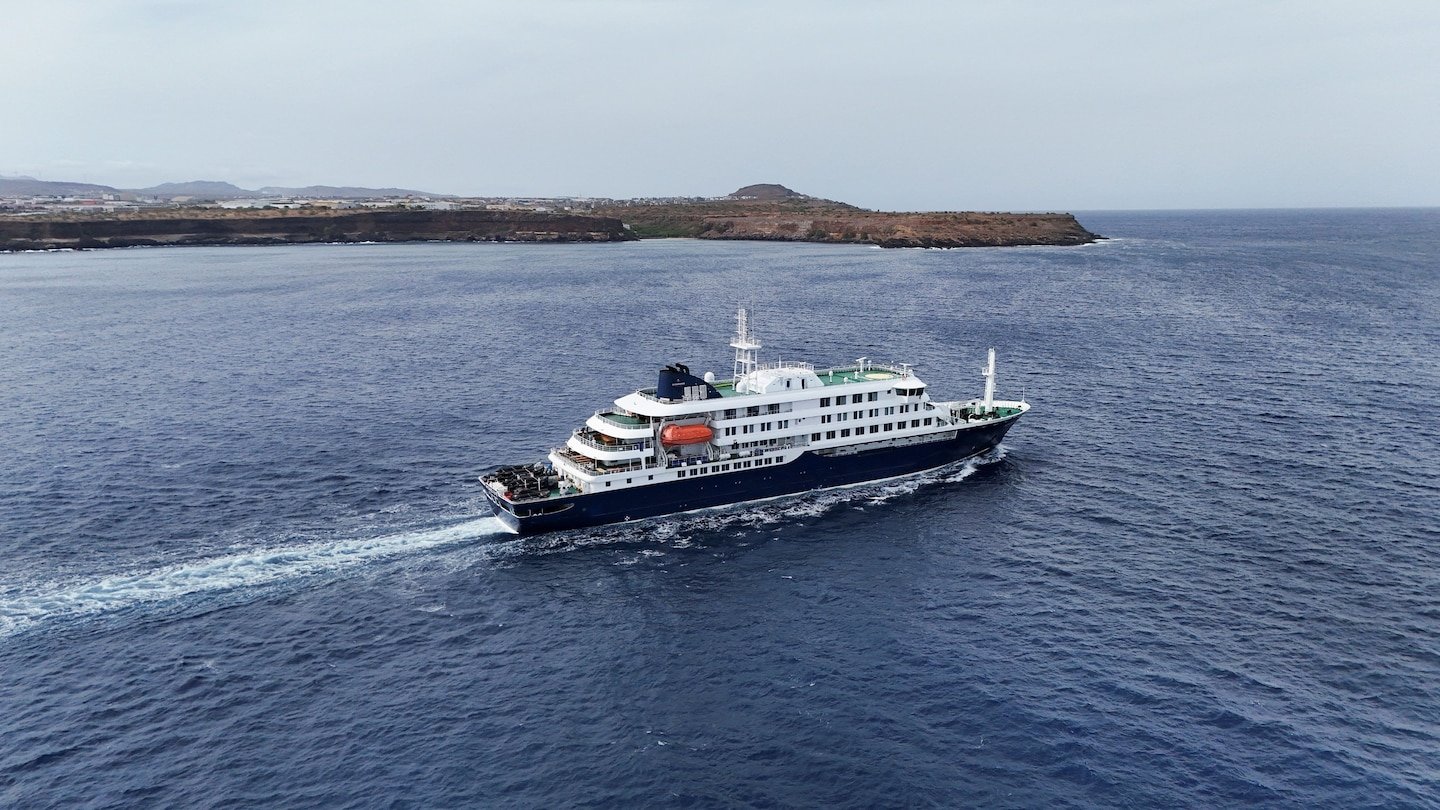
A system-level public health response is underway across multiple continents after a rare hantavirus cluster was detected aboard the MV Hondius, a polar expedition cruise ship now at the center of an expanding international contact-tracing operation.
The outbreak has forced health agencies, governments, and airlines to track passengers across dozens of countries after confirmed infections and deaths were linked to a strain of the virus with unusual transmission characteristics.
What is confirmed is that at least several passengers aboard the vessel developed severe illness consistent with hantavirus infection, with multiple deaths recorded and additional laboratory-confirmed cases identified.
Health authorities and the World Health Organization have reported a cluster involving both confirmed and suspected cases among passengers and crew, with symptoms ranging from fever and gastrointestinal illness to rapidly progressing respiratory failure.
The ship, carrying roughly 150 people from more than twenty nationalities, became the focal point after cases emerged during or shortly after its voyage from South America into the South Atlantic region.
The key issue driving the global response is the identification of the Andes strain of hantavirus in at least some patients.
Unlike most hantaviruses, which are typically transmitted through exposure to rodent urine, saliva, or droppings, the Andes variant has been associated in rare circumstances with limited human-to-human transmission through close contact.
This distinction has significantly elevated concern among epidemiologists, even though experts continue to stress that sustained transmission between humans has not been observed in a way that would suggest widespread epidemic potential.
Contact tracing has expanded rapidly across at least a dozen countries as passengers who disembarked at earlier stops were identified and followed up by national health authorities.
Individuals who left the ship before the outbreak was formally recognized have since traveled onward by air and sea, prompting monitoring in Europe, North America, Africa, and parts of Asia.
Some passengers are under medical observation or self-isolation, while others have been cleared after testing negative.
In several cases, individuals with potential exposure have required hospitalization for evaluation, reflecting the seriousness of the infection in a subset of patients.
Public health agencies have emphasized that the outbreak remains geographically concentrated around the vessel and its immediate travel network.
The ship itself has remained under observation as it proceeds under strict health protocols toward a controlled disembarkation point, where further screening and quarantine procedures are expected.
At the same time, laboratories are conducting genetic sequencing to determine whether any mutation has increased transmissibility or altered the virus’s behavior compared with previously known Andes strain clusters.
The broader implication of the event lies in how quickly a single infectious cluster can become a multi-continental logistical challenge in an era of dense global travel.
Even with a pathogen that is not easily transmissible in typical conditions, the combination of incubation periods, international passenger movement, and close-contact exposure in confined environments has forced rapid coordination between national health systems.
Authorities continue to prioritize containment through isolation of confirmed cases, monitoring of exposed individuals, and standardized communication between countries to track potential secondary transmission chains.
The outcome of these efforts will determine whether the cluster remains a contained maritime outbreak or evolves into a wider but still limited set of linked cases across multiple jurisdictions.
The outbreak has forced health agencies, governments, and airlines to track passengers across dozens of countries after confirmed infections and deaths were linked to a strain of the virus with unusual transmission characteristics.
What is confirmed is that at least several passengers aboard the vessel developed severe illness consistent with hantavirus infection, with multiple deaths recorded and additional laboratory-confirmed cases identified.
Health authorities and the World Health Organization have reported a cluster involving both confirmed and suspected cases among passengers and crew, with symptoms ranging from fever and gastrointestinal illness to rapidly progressing respiratory failure.
The ship, carrying roughly 150 people from more than twenty nationalities, became the focal point after cases emerged during or shortly after its voyage from South America into the South Atlantic region.
The key issue driving the global response is the identification of the Andes strain of hantavirus in at least some patients.
Unlike most hantaviruses, which are typically transmitted through exposure to rodent urine, saliva, or droppings, the Andes variant has been associated in rare circumstances with limited human-to-human transmission through close contact.
This distinction has significantly elevated concern among epidemiologists, even though experts continue to stress that sustained transmission between humans has not been observed in a way that would suggest widespread epidemic potential.
Contact tracing has expanded rapidly across at least a dozen countries as passengers who disembarked at earlier stops were identified and followed up by national health authorities.
Individuals who left the ship before the outbreak was formally recognized have since traveled onward by air and sea, prompting monitoring in Europe, North America, Africa, and parts of Asia.
Some passengers are under medical observation or self-isolation, while others have been cleared after testing negative.
In several cases, individuals with potential exposure have required hospitalization for evaluation, reflecting the seriousness of the infection in a subset of patients.
Public health agencies have emphasized that the outbreak remains geographically concentrated around the vessel and its immediate travel network.
The ship itself has remained under observation as it proceeds under strict health protocols toward a controlled disembarkation point, where further screening and quarantine procedures are expected.
At the same time, laboratories are conducting genetic sequencing to determine whether any mutation has increased transmissibility or altered the virus’s behavior compared with previously known Andes strain clusters.
The broader implication of the event lies in how quickly a single infectious cluster can become a multi-continental logistical challenge in an era of dense global travel.
Even with a pathogen that is not easily transmissible in typical conditions, the combination of incubation periods, international passenger movement, and close-contact exposure in confined environments has forced rapid coordination between national health systems.
Authorities continue to prioritize containment through isolation of confirmed cases, monitoring of exposed individuals, and standardized communication between countries to track potential secondary transmission chains.
The outcome of these efforts will determine whether the cluster remains a contained maritime outbreak or evolves into a wider but still limited set of linked cases across multiple jurisdictions.