White HouseSenateThe HouseSupreme CourtFederal ReserveDOJState DepartmentTreasuryCensusBudget OfficeTrade Representative
WashingTone
Informed by Washington, Defined by Insight
Friday, May 08, 2026
WashingTone

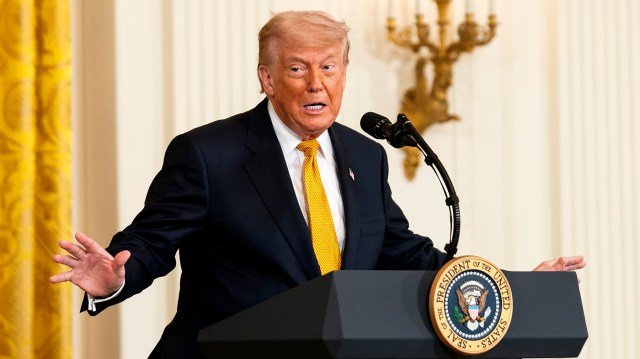
Trump and Lula Hold Closed-Door White House Talks Amid Sensitive Trade and Geopolitical Tensions
Leaders of the United States and Brazil met without press access, signaling cautious diplomacy as both sides navigate trade disputes, investment pressures, and shifting global alignments
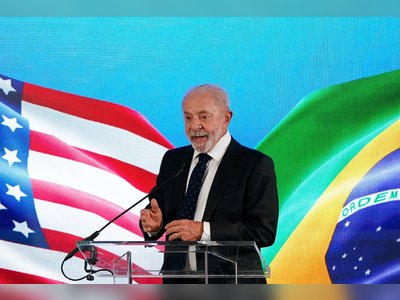
A high-level diplomatic meeting between U.S. President Donald Trump and Brazilian President Luiz Inácio Lula da Silva at the White House took place behind closed doors without media access, underscoring the sensitivity of the discussions and the desire on both sides to control political messaging around the encounter.
What is confirmed is that the talks occurred in Washington and focused on bilateral economic relations, trade flows, and broader geopolitical alignment between the two largest economies in the Americas.
The decision to exclude the press is notable in diplomatic protocol, typically signaling either the need for frank negotiations or an effort to avoid immediate political framing of contentious discussions.
The meeting comes at a moment when U.S.–Brazil relations are shaped by overlapping economic and political pressures.
Trade between the two countries is substantial but frequently contested, particularly around agricultural exports, industrial goods, and environmental policy linked to Brazil’s Amazon region.
The United States has also expressed interest in strengthening supply chain cooperation in critical minerals and energy transition technologies, while Brazil has sought more favorable access to U.S. markets and investment flows.
A key structural issue underlying the relationship is the tension between Brazil’s desire for strategic autonomy and Washington’s broader effort to reinforce economic and security partnerships in the Western Hemisphere.
Lula’s administration has pursued a more diversified foreign policy, engaging closely with China and other emerging economies, while maintaining pragmatic ties with the United States.
This balancing act has made bilateral negotiations more complex, particularly on issues where U.S. and Brazilian interests diverge.
The absence of press coverage also reflects domestic political sensitivities in both countries.
For Trump, framing of foreign meetings is tightly linked to economic performance narratives and trade outcomes that can be communicated as tangible wins.
For Lula, managing perceptions at home involves navigating criticism from both pro-market and protectionist constituencies, particularly regarding foreign investment and environmental regulation.
Although no official joint statement was immediately released following the meeting, such encounters typically serve as groundwork for future agreements rather than immediate breakthroughs.
The discussions are expected to feed into ongoing technical negotiations on tariffs, investment protections, and sector-specific cooperation in energy, agriculture, and infrastructure.
The broader stakes extend beyond bilateral economics.
The United States is seeking to maintain influence in Latin America amid growing Chinese economic presence in the region, while Brazil aims to position itself as a central player in global South diplomacy.
These dynamics make U.S.–Brazil engagement increasingly strategic rather than purely commercial.
The White House meeting therefore represents a controlled diplomatic reset effort, focused less on public signaling and more on managing complex, unresolved issues through direct leader-to-leader engagement, setting the stage for further negotiations at ministerial level in the months ahead.
What is confirmed is that the talks occurred in Washington and focused on bilateral economic relations, trade flows, and broader geopolitical alignment between the two largest economies in the Americas.
The decision to exclude the press is notable in diplomatic protocol, typically signaling either the need for frank negotiations or an effort to avoid immediate political framing of contentious discussions.
The meeting comes at a moment when U.S.–Brazil relations are shaped by overlapping economic and political pressures.
Trade between the two countries is substantial but frequently contested, particularly around agricultural exports, industrial goods, and environmental policy linked to Brazil’s Amazon region.
The United States has also expressed interest in strengthening supply chain cooperation in critical minerals and energy transition technologies, while Brazil has sought more favorable access to U.S. markets and investment flows.
A key structural issue underlying the relationship is the tension between Brazil’s desire for strategic autonomy and Washington’s broader effort to reinforce economic and security partnerships in the Western Hemisphere.
Lula’s administration has pursued a more diversified foreign policy, engaging closely with China and other emerging economies, while maintaining pragmatic ties with the United States.
This balancing act has made bilateral negotiations more complex, particularly on issues where U.S. and Brazilian interests diverge.
The absence of press coverage also reflects domestic political sensitivities in both countries.
For Trump, framing of foreign meetings is tightly linked to economic performance narratives and trade outcomes that can be communicated as tangible wins.
For Lula, managing perceptions at home involves navigating criticism from both pro-market and protectionist constituencies, particularly regarding foreign investment and environmental regulation.
Although no official joint statement was immediately released following the meeting, such encounters typically serve as groundwork for future agreements rather than immediate breakthroughs.
The discussions are expected to feed into ongoing technical negotiations on tariffs, investment protections, and sector-specific cooperation in energy, agriculture, and infrastructure.
The broader stakes extend beyond bilateral economics.
The United States is seeking to maintain influence in Latin America amid growing Chinese economic presence in the region, while Brazil aims to position itself as a central player in global South diplomacy.
These dynamics make U.S.–Brazil engagement increasingly strategic rather than purely commercial.
The White House meeting therefore represents a controlled diplomatic reset effort, focused less on public signaling and more on managing complex, unresolved issues through direct leader-to-leader engagement, setting the stage for further negotiations at ministerial level in the months ahead.