White HouseSenateThe HouseSupreme CourtFederal ReserveDOJState DepartmentTreasuryCensusBudget OfficeTrade Representative
WashingTone
Informed by Washington, Defined by Insight
Friday, May 08, 2026
WashingTone

Trump-Appointed Panel Pushes Major Overhaul of FEMA Disaster Response System
A federal review group proposes shifting disaster management toward state-led control, raising questions about federal readiness, coordination, and response capacity.
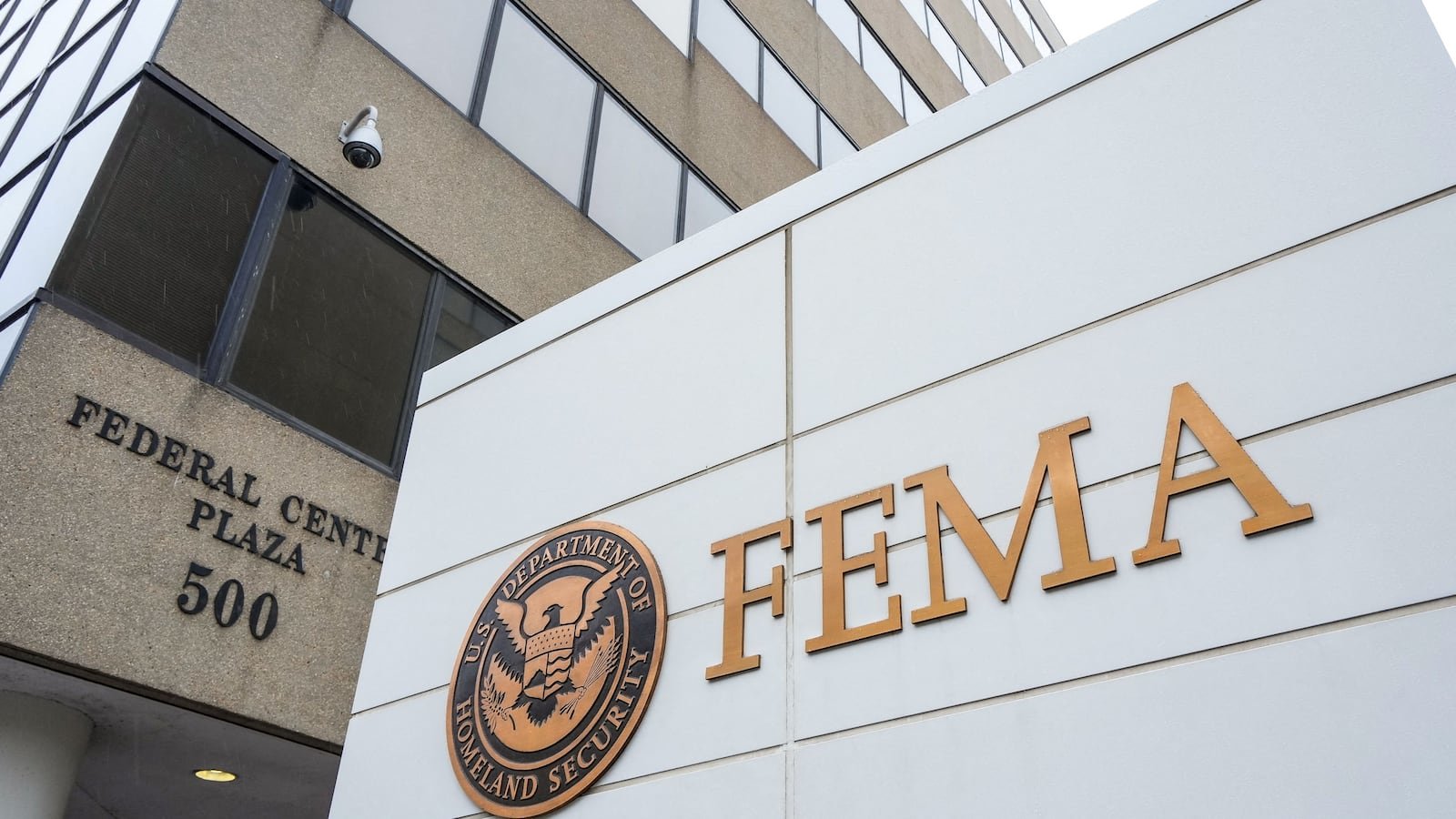
A SYSTEM-DRIVEN review of U.S. disaster management is placing the Federal Emergency Management Agency (FEMA), the country’s primary disaster relief institution, under renewed scrutiny, as a panel appointed during Donald Trump’s presidency calls for a structural overhaul of how the agency operates.
The recommendations focus on reducing FEMA’s central role in coordinating disaster response and shifting more responsibility to state governments.
What is confirmed is that the panel argues the current system concentrates too much authority and logistical control at the federal level, creating delays and bureaucratic bottlenecks during emergencies.
The proposed changes would fundamentally alter FEMA’s role from a primary coordinator and funder of disaster response to a more limited support agency, with states expected to take the lead in planning, logistics, and initial response operations.
FEMA currently operates as the central federal body responsible for coordinating disaster relief when states are overwhelmed by hurricanes, wildfires, floods, and other large-scale emergencies.
It manages emergency declarations, distributes federal aid, deploys search-and-rescue teams, and coordinates with the Department of Homeland Security and the Pentagon when national resources are required.
The proposed restructuring would shift much of this operational burden downward, relying more heavily on state-level emergency management systems that vary widely in capacity, funding, and expertise.
The panel’s recommendations reflect a long-standing political and administrative debate in the United States over federal versus state responsibility in disaster response.
Supporters of decentralization argue that states can respond more quickly to local conditions and avoid federal delays.
Critics argue that disasters frequently exceed state capacity, and that a weakened FEMA could lead to uneven recovery outcomes depending on a state’s wealth and preparedness.
The stakes are heightened by the increasing frequency and severity of extreme weather events in the United States.
Hurricanes along the Gulf Coast, wildfires in the West, and flooding in multiple regions have repeatedly required large-scale federal intervention in recent years.
FEMA’s current structure is designed specifically to scale response across state lines when local systems are overwhelmed.
Under the proposed framework, federal disaster funding could become more conditional and targeted, with greater emphasis on pre-disaster planning and insurance-based recovery models.
That shift would represent a significant change in how federal disaster aid has been structured for decades, moving away from rapid, centralized deployment of resources toward a more distributed system of preparedness and response.
The political implications are significant because FEMA sits at the intersection of emergency management, climate resilience, and federal spending priorities.
Any major restructuring would require coordination across Congress, the Department of Homeland Security, and state governments, each of which has different incentives and risk tolerances.
The panel’s report does not itself change FEMA’s operations, but it signals a renewed effort to redefine the federal government’s role in disaster response.
The direction of reform now depends on whether policymakers choose to preserve FEMA’s centralized emergency authority or shift toward a state-driven model of disaster management.
The recommendations focus on reducing FEMA’s central role in coordinating disaster response and shifting more responsibility to state governments.
What is confirmed is that the panel argues the current system concentrates too much authority and logistical control at the federal level, creating delays and bureaucratic bottlenecks during emergencies.
The proposed changes would fundamentally alter FEMA’s role from a primary coordinator and funder of disaster response to a more limited support agency, with states expected to take the lead in planning, logistics, and initial response operations.
FEMA currently operates as the central federal body responsible for coordinating disaster relief when states are overwhelmed by hurricanes, wildfires, floods, and other large-scale emergencies.
It manages emergency declarations, distributes federal aid, deploys search-and-rescue teams, and coordinates with the Department of Homeland Security and the Pentagon when national resources are required.
The proposed restructuring would shift much of this operational burden downward, relying more heavily on state-level emergency management systems that vary widely in capacity, funding, and expertise.
The panel’s recommendations reflect a long-standing political and administrative debate in the United States over federal versus state responsibility in disaster response.
Supporters of decentralization argue that states can respond more quickly to local conditions and avoid federal delays.
Critics argue that disasters frequently exceed state capacity, and that a weakened FEMA could lead to uneven recovery outcomes depending on a state’s wealth and preparedness.
The stakes are heightened by the increasing frequency and severity of extreme weather events in the United States.
Hurricanes along the Gulf Coast, wildfires in the West, and flooding in multiple regions have repeatedly required large-scale federal intervention in recent years.
FEMA’s current structure is designed specifically to scale response across state lines when local systems are overwhelmed.
Under the proposed framework, federal disaster funding could become more conditional and targeted, with greater emphasis on pre-disaster planning and insurance-based recovery models.
That shift would represent a significant change in how federal disaster aid has been structured for decades, moving away from rapid, centralized deployment of resources toward a more distributed system of preparedness and response.
The political implications are significant because FEMA sits at the intersection of emergency management, climate resilience, and federal spending priorities.
Any major restructuring would require coordination across Congress, the Department of Homeland Security, and state governments, each of which has different incentives and risk tolerances.
The panel’s report does not itself change FEMA’s operations, but it signals a renewed effort to redefine the federal government’s role in disaster response.
The direction of reform now depends on whether policymakers choose to preserve FEMA’s centralized emergency authority or shift toward a state-driven model of disaster management.