White HouseSenateThe HouseSupreme CourtFederal ReserveDOJState DepartmentTreasuryCensusBudget OfficeTrade Representative
WashingTone
Informed by Washington, Defined by Insight
Friday, May 22, 2026
WashingTone

Trump Delays AI Regulation Order Amid China Competition Concerns
White House move highlights growing tension between safety rules for artificial intelligence and strategic pressure to maintain U.S. technological dominance over China
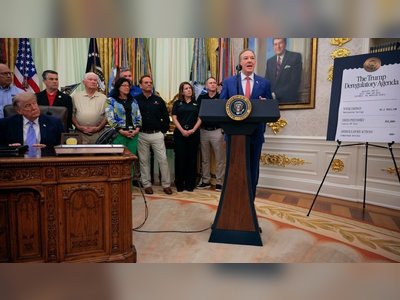
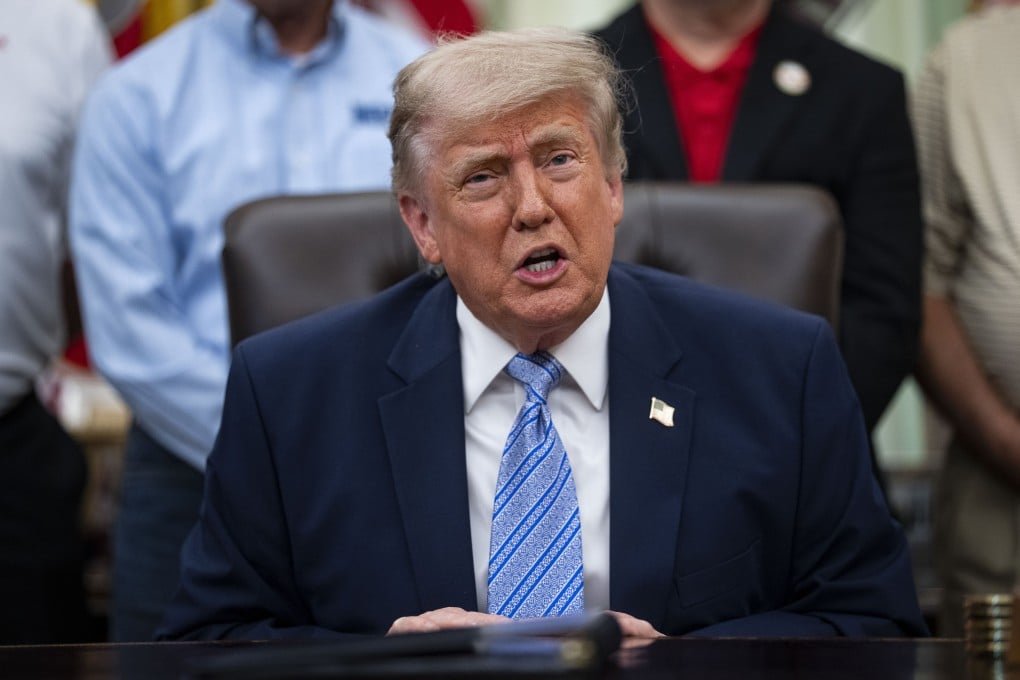
An ACTOR-DRIVEN policy decision by U.S. President Donald Trump has temporarily halted the signing of a planned executive order on artificial intelligence regulation, underscoring the growing tension between domestic oversight of advanced technologies and international competition with China.
What is confirmed is that the planned executive order, which had been scheduled for signing, was postponed after Trump raised concerns that certain regulatory provisions could slow down U.S. innovation in artificial intelligence or weaken America’s competitive position.
The decision reflects a broader strategic calculation within the administration that AI leadership is closely tied to economic strength, national security, and geopolitical influence.
Speaking publicly, Trump indicated that the United States is currently ahead in artificial intelligence development and expressed reluctance to introduce measures that could disrupt that advantage.
He framed the issue as a matter of maintaining momentum in a rapidly evolving sector, where both commercial deployment and military applications are seen as strategically significant.
The delayed order was expected to introduce a structured review process for advanced AI models before public release, involving federal agencies and a pre-deployment evaluation window.
That framework was intended to address concerns about safety, security risks, and the potential misuse of increasingly powerful systems.
However, internal debate over its scope and timing appears to have contributed to the pause.
The policy dispute reflects a core structural dilemma in AI governance: tighter regulation may reduce risks related to misuse, bias, or security vulnerabilities, but it can also slow down development cycles in a sector where speed is considered a key competitive advantage.
In the context of escalating U.S.–China technological rivalry, regulatory choices are increasingly being evaluated through a strategic lens rather than purely a safety one.
China’s rapid expansion in artificial intelligence, alongside parallel investments in robotics and advanced manufacturing, has intensified pressure on Washington to avoid regulatory frameworks perceived as overly restrictive.
At the same time, concerns inside the United States about uncontrolled AI deployment continue to grow, particularly around security implications and the concentration of power among leading technology firms.
The immediate consequence of the delay is a temporary regulatory vacuum at the federal level regarding pre-release oversight of advanced AI systems.
The broader implication is that future AI policy in the United States is likely to be shaped less by technical safety debates alone and more by its perceived impact on geopolitical competition with China, setting the stage for continued policy uncertainty as the technology accelerates.
The administration is expected to revisit the executive order after further internal review, with any revised version likely to reflect a recalibration between innovation priorities and national security safeguards in the evolving global AI race.
What is confirmed is that the planned executive order, which had been scheduled for signing, was postponed after Trump raised concerns that certain regulatory provisions could slow down U.S. innovation in artificial intelligence or weaken America’s competitive position.
The decision reflects a broader strategic calculation within the administration that AI leadership is closely tied to economic strength, national security, and geopolitical influence.
Speaking publicly, Trump indicated that the United States is currently ahead in artificial intelligence development and expressed reluctance to introduce measures that could disrupt that advantage.
He framed the issue as a matter of maintaining momentum in a rapidly evolving sector, where both commercial deployment and military applications are seen as strategically significant.
The delayed order was expected to introduce a structured review process for advanced AI models before public release, involving federal agencies and a pre-deployment evaluation window.
That framework was intended to address concerns about safety, security risks, and the potential misuse of increasingly powerful systems.
However, internal debate over its scope and timing appears to have contributed to the pause.
The policy dispute reflects a core structural dilemma in AI governance: tighter regulation may reduce risks related to misuse, bias, or security vulnerabilities, but it can also slow down development cycles in a sector where speed is considered a key competitive advantage.
In the context of escalating U.S.–China technological rivalry, regulatory choices are increasingly being evaluated through a strategic lens rather than purely a safety one.
China’s rapid expansion in artificial intelligence, alongside parallel investments in robotics and advanced manufacturing, has intensified pressure on Washington to avoid regulatory frameworks perceived as overly restrictive.
At the same time, concerns inside the United States about uncontrolled AI deployment continue to grow, particularly around security implications and the concentration of power among leading technology firms.
The immediate consequence of the delay is a temporary regulatory vacuum at the federal level regarding pre-release oversight of advanced AI systems.
The broader implication is that future AI policy in the United States is likely to be shaped less by technical safety debates alone and more by its perceived impact on geopolitical competition with China, setting the stage for continued policy uncertainty as the technology accelerates.
The administration is expected to revisit the executive order after further internal review, with any revised version likely to reflect a recalibration between innovation priorities and national security safeguards in the evolving global AI race.