White HouseSenateThe HouseSupreme CourtFederal ReserveDOJState DepartmentTreasuryCensusBudget OfficeTrade Representative
WashingTone
Informed by Washington, Defined by Insight
Friday, May 22, 2026
WashingTone

ICE Arrests Rise in Central Washington as Immigration Enforcement Intensifies
Federal immigration enforcement operations in Washington state show increased detentions, reflecting broader national shifts in workplace and interior enforcement priorities
Immigration enforcement in the United States is increasingly shaped by federal Interior Enforcement and workplace compliance operations that determine where and how Immigration and Customs Enforcement conducts arrests.
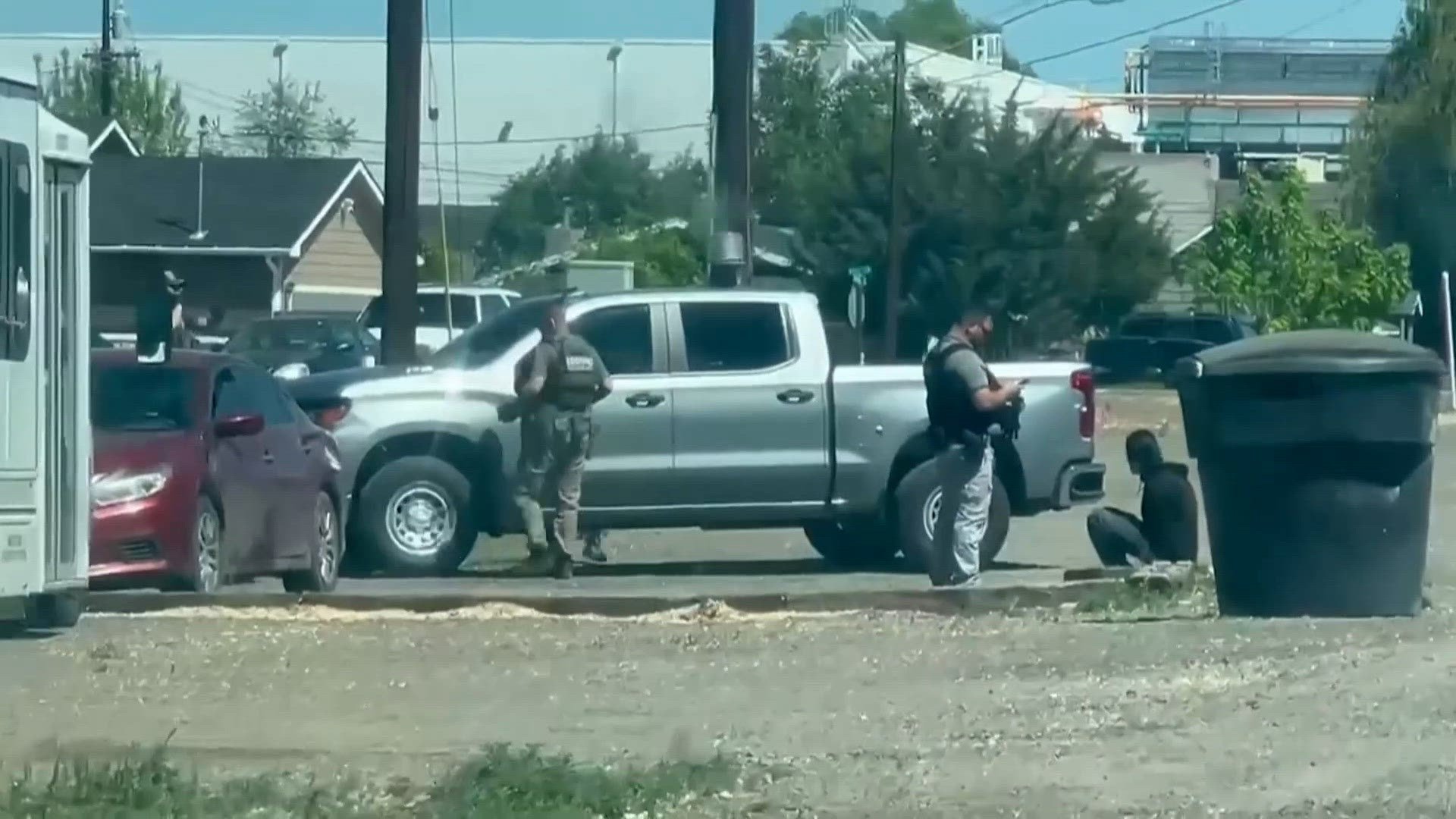
In Central Washington, these operations have recently resulted in a noticeable uptick in detentions, reflecting a broader enforcement pattern rather than an isolated regional shift.
What is confirmed is that Immigration and Customs Enforcement, commonly known as ICE, carries out arrests of individuals suspected of violating federal immigration laws, including those found without legal status or those subject to removal orders.
These arrests can occur in workplaces, during targeted operations, or following coordination with other law enforcement agencies.
In Central Washington, the increase in enforcement activity is associated with expanded field operations and targeted actions that prioritize individuals identified through federal databases and case management systems.
The region, which includes agricultural and processing sectors with significant seasonal labor demand, has historically been part of broader national immigration enforcement patterns.
The operational mechanism behind these arrests is typically administrative rather than criminal in nature.
ICE agents execute civil immigration law, meaning individuals may be detained based on immigration status violations rather than criminal charges.
Once detained, cases move through immigration courts, where judges determine whether individuals may remain in the country or face removal.
The uptick in arrests has implications for local labor markets, particularly in industries that rely on migrant or seasonal workers.
Employers may face increased scrutiny over hiring practices, including verification requirements under federal employment eligibility systems.
At the same time, communities with higher concentrations of immigrant workers often experience heightened uncertainty during periods of intensified enforcement.
Federal officials have emphasized that enforcement priorities generally focus on individuals with prior removal orders, criminal records, or recent border crossings, though enforcement scope can expand depending on operational directives and resource allocation.
This flexibility allows ICE to scale activity in specific regions when deemed necessary.
The broader context is a national immigration system under sustained pressure, where enforcement capacity, court backlogs, and shifting policy directives interact to shape day-to-day operations.
Regional increases in arrests, such as those seen in Central Washington, reflect how federal enforcement is implemented unevenly across geographic and economic landscapes.
As enforcement activity continues, the immediate consequence in Central Washington is a higher volume of detentions processed through federal immigration facilities, with downstream effects on local workplaces, legal proceedings, and community stability in sectors dependent on immigrant labor.
In Central Washington, these operations have recently resulted in a noticeable uptick in detentions, reflecting a broader enforcement pattern rather than an isolated regional shift.
What is confirmed is that Immigration and Customs Enforcement, commonly known as ICE, carries out arrests of individuals suspected of violating federal immigration laws, including those found without legal status or those subject to removal orders.
These arrests can occur in workplaces, during targeted operations, or following coordination with other law enforcement agencies.
In Central Washington, the increase in enforcement activity is associated with expanded field operations and targeted actions that prioritize individuals identified through federal databases and case management systems.
The region, which includes agricultural and processing sectors with significant seasonal labor demand, has historically been part of broader national immigration enforcement patterns.
The operational mechanism behind these arrests is typically administrative rather than criminal in nature.
ICE agents execute civil immigration law, meaning individuals may be detained based on immigration status violations rather than criminal charges.
Once detained, cases move through immigration courts, where judges determine whether individuals may remain in the country or face removal.
The uptick in arrests has implications for local labor markets, particularly in industries that rely on migrant or seasonal workers.
Employers may face increased scrutiny over hiring practices, including verification requirements under federal employment eligibility systems.
At the same time, communities with higher concentrations of immigrant workers often experience heightened uncertainty during periods of intensified enforcement.
Federal officials have emphasized that enforcement priorities generally focus on individuals with prior removal orders, criminal records, or recent border crossings, though enforcement scope can expand depending on operational directives and resource allocation.
This flexibility allows ICE to scale activity in specific regions when deemed necessary.
The broader context is a national immigration system under sustained pressure, where enforcement capacity, court backlogs, and shifting policy directives interact to shape day-to-day operations.
Regional increases in arrests, such as those seen in Central Washington, reflect how federal enforcement is implemented unevenly across geographic and economic landscapes.
As enforcement activity continues, the immediate consequence in Central Washington is a higher volume of detentions processed through federal immigration facilities, with downstream effects on local workplaces, legal proceedings, and community stability in sectors dependent on immigrant labor.