White HouseSenateThe HouseSupreme CourtFederal ReserveDOJState DepartmentTreasuryCensusBudget OfficeTrade Representative
WashingTone
Informed by Washington, Defined by Insight
Friday, May 22, 2026
WashingTone

Trump Delays AI Oversight Executive Order at the Last Minute, Extending Policy Uncertainty
A planned federal directive on artificial intelligence regulation was pulled hours before signing, exposing divisions over how aggressively the U.S. should govern rapidly advancing AI systems
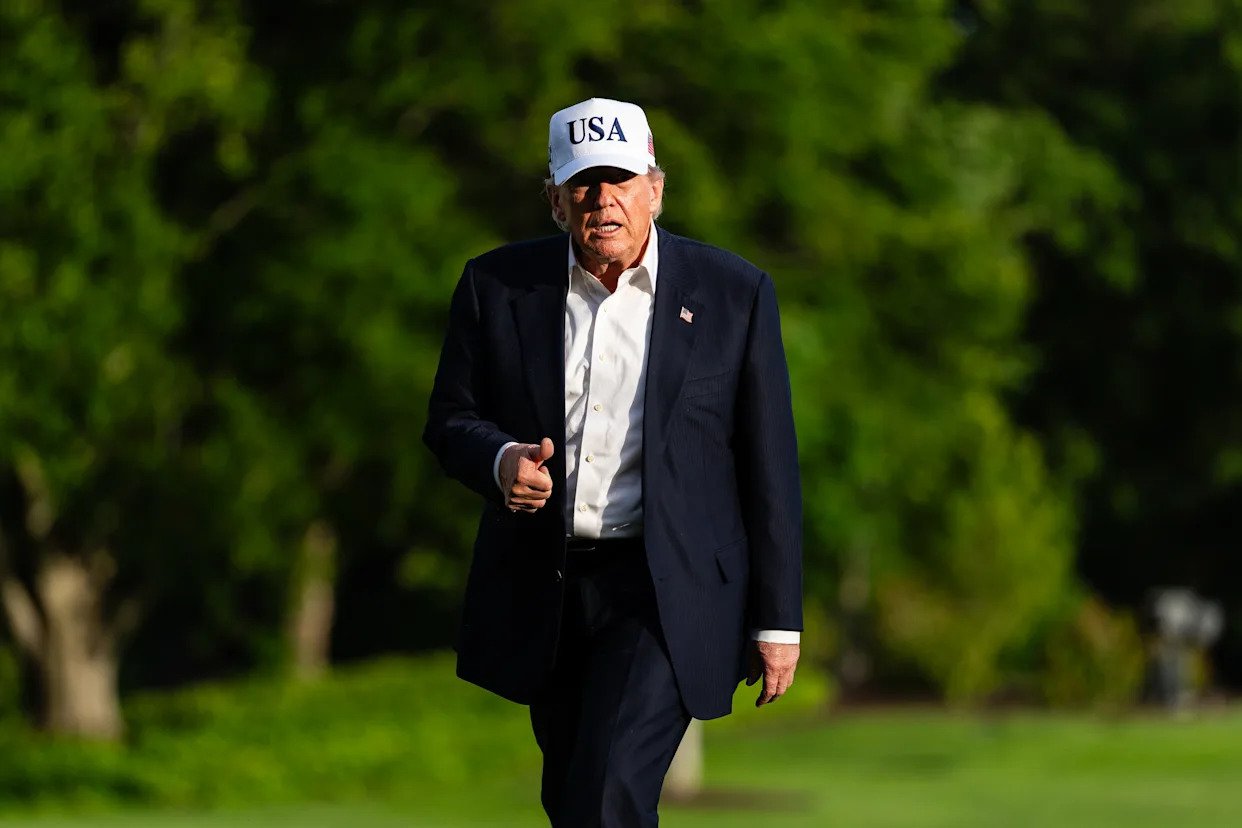
A U.S. federal policy decision on artificial intelligence oversight was abruptly delayed hours before its scheduled signing, after Donald Trump’s administration paused an executive order intended to set new federal guidelines for AI development and deployment.
The move leaves the country without an updated national framework at a moment when AI systems are expanding across critical infrastructure, finance, defense, and consumer platforms.
What is confirmed is that the executive order had been in the final stages of preparation and was expected to establish new federal coordination mechanisms for AI oversight, including risk assessment standards and interagency monitoring procedures.
The delay occurred at a late stage in the process, after drafts had circulated among senior officials and stakeholder input had already been incorporated into the policy design.
The decision to halt the signing reflects internal disagreements over the scope and intensity of federal intervention in the AI sector.
One camp within the administration has pushed for stronger regulatory guardrails, arguing that rapidly scaling AI systems pose risks related to national security, misinformation, and economic disruption.
Another faction has argued that overly prescriptive federal rules could slow innovation, weaken U.S. competitiveness, and cede advantage to foreign technology rivals.
The key issue is that the United States is attempting to define its regulatory posture toward artificial intelligence at the same time the technology is advancing faster than existing legal frameworks can accommodate.
Unlike earlier technology waves, AI systems now demonstrate capabilities in reasoning, content generation, software development, and autonomous decision support, raising questions about accountability and control.
The delayed order was expected to clarify federal roles across agencies, potentially designating specific oversight responsibilities to bodies involved in national security, commerce, and technology standards.
It was also expected to set baseline expectations for companies developing high-capability models, particularly around transparency, testing, and deployment thresholds for advanced systems.
Industry stakeholders have been closely monitoring the policy process, with major technology firms seeking regulatory clarity to avoid fragmented state-level rules and unpredictable enforcement.
At the same time, some civil society groups have pressed for stronger safeguards, warning that voluntary industry standards are insufficient given the scale of potential systemic risks.
The delay leaves a temporary vacuum in federal direction, with existing guidance still relying on earlier, narrower policy frameworks that predate the most recent acceleration in generative AI capabilities.
This increases the likelihood that regulatory development will continue to shift across agencies and legislative channels rather than through a single coordinated executive action.
The broader consequence is a growing policy gap between technological deployment and governance structure.
As AI systems become more deeply embedded in public services, commercial operations, and security environments, the absence of a unified federal directive ensures that regulatory uncertainty will remain a defining feature of the sector in the near term.
The move leaves the country without an updated national framework at a moment when AI systems are expanding across critical infrastructure, finance, defense, and consumer platforms.
What is confirmed is that the executive order had been in the final stages of preparation and was expected to establish new federal coordination mechanisms for AI oversight, including risk assessment standards and interagency monitoring procedures.
The delay occurred at a late stage in the process, after drafts had circulated among senior officials and stakeholder input had already been incorporated into the policy design.
The decision to halt the signing reflects internal disagreements over the scope and intensity of federal intervention in the AI sector.
One camp within the administration has pushed for stronger regulatory guardrails, arguing that rapidly scaling AI systems pose risks related to national security, misinformation, and economic disruption.
Another faction has argued that overly prescriptive federal rules could slow innovation, weaken U.S. competitiveness, and cede advantage to foreign technology rivals.
The key issue is that the United States is attempting to define its regulatory posture toward artificial intelligence at the same time the technology is advancing faster than existing legal frameworks can accommodate.
Unlike earlier technology waves, AI systems now demonstrate capabilities in reasoning, content generation, software development, and autonomous decision support, raising questions about accountability and control.
The delayed order was expected to clarify federal roles across agencies, potentially designating specific oversight responsibilities to bodies involved in national security, commerce, and technology standards.
It was also expected to set baseline expectations for companies developing high-capability models, particularly around transparency, testing, and deployment thresholds for advanced systems.
Industry stakeholders have been closely monitoring the policy process, with major technology firms seeking regulatory clarity to avoid fragmented state-level rules and unpredictable enforcement.
At the same time, some civil society groups have pressed for stronger safeguards, warning that voluntary industry standards are insufficient given the scale of potential systemic risks.
The delay leaves a temporary vacuum in federal direction, with existing guidance still relying on earlier, narrower policy frameworks that predate the most recent acceleration in generative AI capabilities.
This increases the likelihood that regulatory development will continue to shift across agencies and legislative channels rather than through a single coordinated executive action.
The broader consequence is a growing policy gap between technological deployment and governance structure.
As AI systems become more deeply embedded in public services, commercial operations, and security environments, the absence of a unified federal directive ensures that regulatory uncertainty will remain a defining feature of the sector in the near term.