White HouseSenateThe HouseSupreme CourtFederal ReserveDOJState DepartmentTreasuryCensusBudget OfficeTrade Representative
WashingTone
Informed by Washington, Defined by Insight
Saturday, May 23, 2026
WashingTone

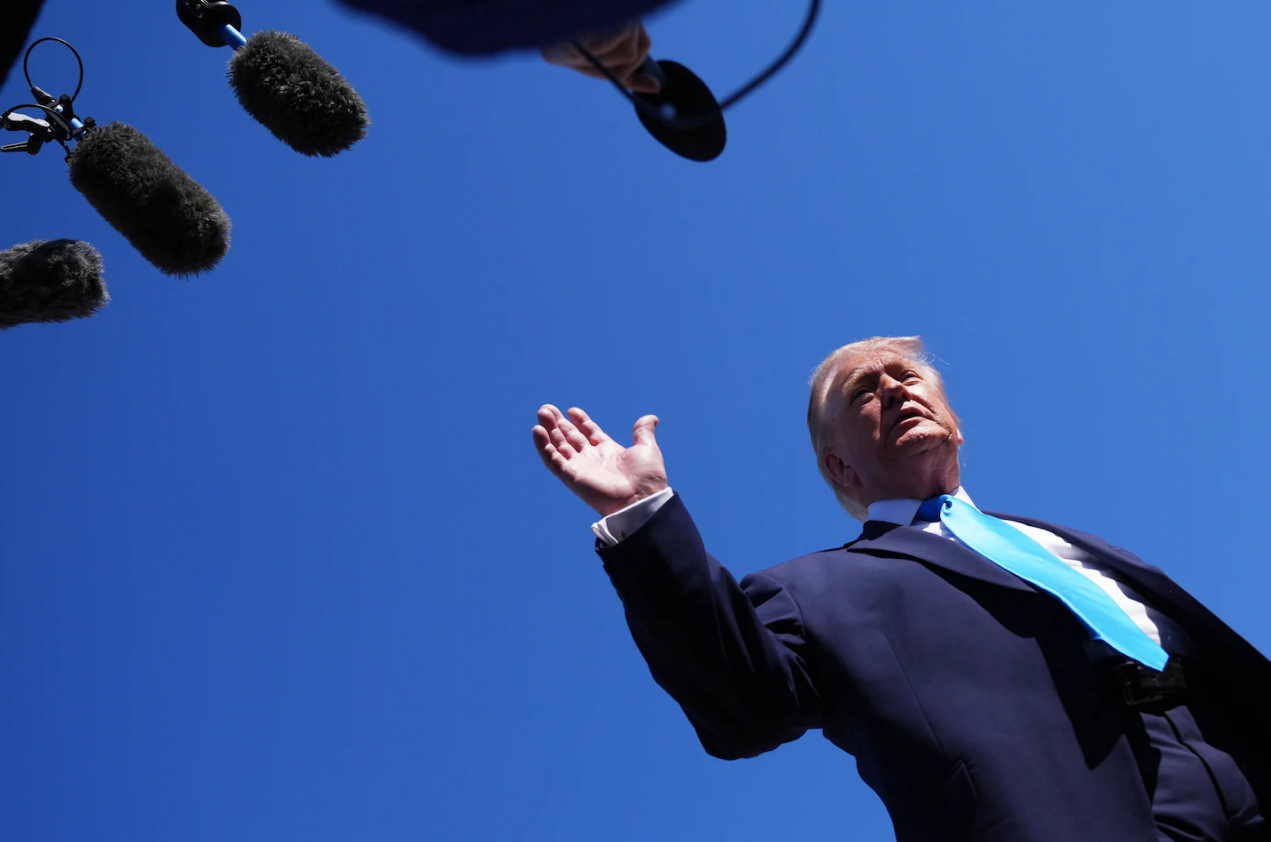
Silicon Valley Pushback Halted Trump’s Planned AI Oversight Order
A proposed White House framework for voluntary pre-release AI reviews collapsed after direct resistance from major technology figures and internal fears that even limited oversight could evolve into regulation.
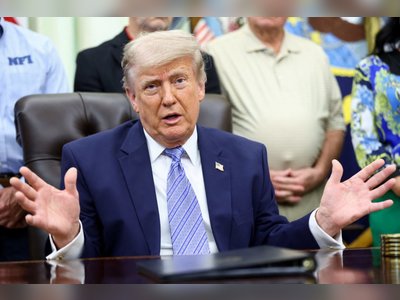
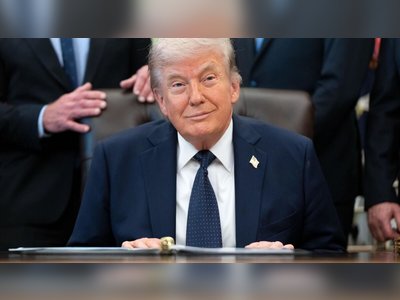
ACTOR-DRIVEN dynamics define the collapse of a planned executive order on artificial intelligence that President Donald Trump was expected to sign before abruptly postponing it following pressure from prominent Silicon Valley figures and divisions inside his own administration.
The dispute exposed a widening struggle over whether the United States should impose even limited federal oversight on advanced AI systems as competition with China accelerates.
What is confirmed is that the White House had prepared an executive order focused on AI security and government coordination with leading AI developers.
Invitations had already been issued for a formal signing event involving major technology executives before the administration unexpectedly reversed course.
Trump later said he delayed the order because he believed parts of it could interfere with American technological leadership.
The proposed framework centered on voluntary cooperation rather than formal regulation.
Under the draft structure, companies developing advanced AI systems would have been asked to provide federal authorities with access to certain frontier models before public release, potentially as much as ninety days in advance.
The administration also intended to involve operators of critical infrastructure systems such as banks and utilities in security preparation efforts tied to powerful AI tools.
The key conflict was not over whether AI poses risks, but over whether voluntary review systems inevitably become de facto regulation.
Several influential technology figures argued directly to Trump and senior officials that even optional pre-release review mechanisms could evolve into mandatory controls under future administrations.
The concern inside parts of Silicon Valley was that once a federal review architecture exists, it can gradually expand into licensing, approval requirements, or operational restrictions.
David Sacks, a prominent investor and former White House AI adviser, emerged as a central figure in the pushback effort.
Other influential technology executives and investors also opposed the draft order, warning that additional oversight could slow product deployment and weaken the United States in the global AI race.
Competition with China became one of the administration’s dominant arguments against stronger federal intervention.
At the same time, the administration faced pressure from another faction demanding stronger safeguards.
Security-focused officials and political allies had raised concerns that increasingly capable AI systems could accelerate cyberattacks, infrastructure disruption, automated fraud, and other large-scale digital threats.
Advanced models capable of generating code, automating network analysis, and assisting offensive cyber operations became a major point of concern inside national security circles.
The postponed order therefore became a collision between two competing strategic priorities: maintaining American speed and dominance in AI development, and building guardrails before increasingly autonomous systems become deeply embedded in economic and infrastructure networks.
The administration attempted to design a compromise through voluntary participation, but resistance from both industry skeptics and stronger-regulation advocates weakened support from opposite directions.
The episode also revealed the continuing political influence of major technology leaders over federal AI policy.
Several executives and investors now occupy an unusually powerful position inside Washington’s technology debate, where access to the White House, financial leverage, and strategic importance to national competitiveness allow private industry to shape regulatory outcomes before policies are finalized.
The practical consequence is that the United States remains without a comprehensive federal framework governing frontier AI model deployment despite mounting concern over cybersecurity and systemic risks.
The delay preserves a largely market-driven environment for major AI firms while leaving unresolved how the government intends to manage increasingly powerful systems that are advancing faster than existing oversight structures.
Trump’s decision to postpone the order leaves the administration searching for a politically workable AI strategy that can satisfy both national security concerns and Silicon Valley’s demand for minimal regulatory friction as the global AI race intensifies.
The dispute exposed a widening struggle over whether the United States should impose even limited federal oversight on advanced AI systems as competition with China accelerates.
What is confirmed is that the White House had prepared an executive order focused on AI security and government coordination with leading AI developers.
Invitations had already been issued for a formal signing event involving major technology executives before the administration unexpectedly reversed course.
Trump later said he delayed the order because he believed parts of it could interfere with American technological leadership.
The proposed framework centered on voluntary cooperation rather than formal regulation.
Under the draft structure, companies developing advanced AI systems would have been asked to provide federal authorities with access to certain frontier models before public release, potentially as much as ninety days in advance.
The administration also intended to involve operators of critical infrastructure systems such as banks and utilities in security preparation efforts tied to powerful AI tools.
The key conflict was not over whether AI poses risks, but over whether voluntary review systems inevitably become de facto regulation.
Several influential technology figures argued directly to Trump and senior officials that even optional pre-release review mechanisms could evolve into mandatory controls under future administrations.
The concern inside parts of Silicon Valley was that once a federal review architecture exists, it can gradually expand into licensing, approval requirements, or operational restrictions.
David Sacks, a prominent investor and former White House AI adviser, emerged as a central figure in the pushback effort.
Other influential technology executives and investors also opposed the draft order, warning that additional oversight could slow product deployment and weaken the United States in the global AI race.
Competition with China became one of the administration’s dominant arguments against stronger federal intervention.
At the same time, the administration faced pressure from another faction demanding stronger safeguards.
Security-focused officials and political allies had raised concerns that increasingly capable AI systems could accelerate cyberattacks, infrastructure disruption, automated fraud, and other large-scale digital threats.
Advanced models capable of generating code, automating network analysis, and assisting offensive cyber operations became a major point of concern inside national security circles.
The postponed order therefore became a collision between two competing strategic priorities: maintaining American speed and dominance in AI development, and building guardrails before increasingly autonomous systems become deeply embedded in economic and infrastructure networks.
The administration attempted to design a compromise through voluntary participation, but resistance from both industry skeptics and stronger-regulation advocates weakened support from opposite directions.
The episode also revealed the continuing political influence of major technology leaders over federal AI policy.
Several executives and investors now occupy an unusually powerful position inside Washington’s technology debate, where access to the White House, financial leverage, and strategic importance to national competitiveness allow private industry to shape regulatory outcomes before policies are finalized.
The practical consequence is that the United States remains without a comprehensive federal framework governing frontier AI model deployment despite mounting concern over cybersecurity and systemic risks.
The delay preserves a largely market-driven environment for major AI firms while leaving unresolved how the government intends to manage increasingly powerful systems that are advancing faster than existing oversight structures.
Trump’s decision to postpone the order leaves the administration searching for a politically workable AI strategy that can satisfy both national security concerns and Silicon Valley’s demand for minimal regulatory friction as the global AI race intensifies.