White HouseSenateThe HouseSupreme CourtFederal ReserveDOJState DepartmentTreasuryCensusBudget OfficeTrade Representative
WashingTone
Informed by Washington, Defined by Insight
Tuesday, Apr 07, 2026
WashingTone

0:00
0:00
Debate Emerges Over Military Implications of Trump’s Strong Warnings on Civilian-Linked Targets
Officials weigh legal and ethical considerations as forceful rhetoric highlights evolving strategic posture
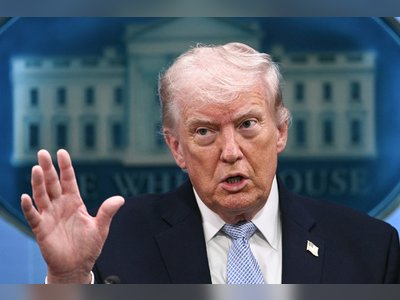
Strong warnings issued by Donald Trump regarding potential action against targets linked to civilian infrastructure have prompted debate among military and legal experts over the implications for operational decision-making.
Trump’s statements, delivered in the context of escalating tensions involving Iran, reflect a forceful posture aimed at deterrence and the protection of national and allied interests.
His remarks underscore a willingness to consider decisive measures in response to threats against critical infrastructure and regional stability.
Officials and analysts note that such statements bring into focus the complex legal and moral frameworks that govern military operations.
International law places strict limits on targeting, particularly where civilian populations or infrastructure may be affected, requiring careful assessment of proportionality and necessity.
Within military circles, the discussion has centered on how to interpret and apply these principles in scenarios where civilian-linked facilities may also serve strategic or dual-use purposes.
The evolving nature of modern conflict, including the integration of civilian and military assets, has added further complexity to these considerations.
Supporters of a firm approach argue that clear and unequivocal messaging can strengthen deterrence, reducing the likelihood of adversaries taking aggressive action.
They emphasize that maintaining a strong stance is essential in navigating high-stakes geopolitical environments.
At the same time, experts highlight the importance of adhering to established legal standards to preserve legitimacy and minimize unintended consequences.
The balance between assertive policy and compliance with international norms remains a central issue as tensions continue to develop.
The discussion reflects broader challenges facing military planners as they respond to rapidly shifting dynamics, with decisions shaped by both strategic imperatives and legal obligations.
Trump’s statements, delivered in the context of escalating tensions involving Iran, reflect a forceful posture aimed at deterrence and the protection of national and allied interests.
His remarks underscore a willingness to consider decisive measures in response to threats against critical infrastructure and regional stability.
Officials and analysts note that such statements bring into focus the complex legal and moral frameworks that govern military operations.
International law places strict limits on targeting, particularly where civilian populations or infrastructure may be affected, requiring careful assessment of proportionality and necessity.
Within military circles, the discussion has centered on how to interpret and apply these principles in scenarios where civilian-linked facilities may also serve strategic or dual-use purposes.
The evolving nature of modern conflict, including the integration of civilian and military assets, has added further complexity to these considerations.
Supporters of a firm approach argue that clear and unequivocal messaging can strengthen deterrence, reducing the likelihood of adversaries taking aggressive action.
They emphasize that maintaining a strong stance is essential in navigating high-stakes geopolitical environments.
At the same time, experts highlight the importance of adhering to established legal standards to preserve legitimacy and minimize unintended consequences.
The balance between assertive policy and compliance with international norms remains a central issue as tensions continue to develop.
The discussion reflects broader challenges facing military planners as they respond to rapidly shifting dynamics, with decisions shaped by both strategic imperatives and legal obligations.