White HouseSenateThe HouseSupreme CourtFederal ReserveDOJState DepartmentTreasuryCensusBudget OfficeTrade Representative
WashingTone
Informed by Washington, Defined by Insight
Monday, Apr 06, 2026
WashingTone

0:00
0:00
Trump Issues Forceful Warning to Iran Over Strait of Hormuz as Tensions Intensify
Former US president signals strong stance on safeguarding vital shipping route, emphasising commitment to stability and global trade security
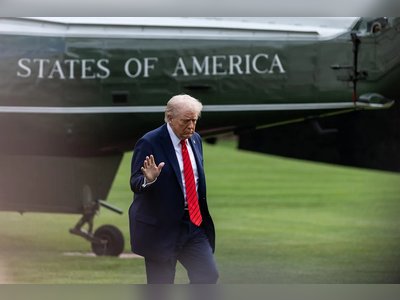
Donald Trump has delivered a forceful warning to Iran regarding the security of the Strait of Hormuz, underscoring the strategic importance of the vital shipping corridor and signalling a robust approach to protecting international trade routes.
In a strongly worded statement, Trump emphasised that any threat to the waterway would be met with decisive consequences, highlighting his longstanding position on maintaining freedom of navigation and ensuring stability in critical global supply chains.
The Strait of Hormuz remains one of the world’s most important النفط transit routes, making its security a central concern for energy markets and international commerce.
The remarks come amid heightened regional tensions, with increased scrutiny on maritime security and the potential for disruption to global energy flows.
Trump’s message reflects a broader emphasis on deterrence, aimed at preventing escalation and reinforcing clear boundaries around strategic assets.
Observers note that the statement aligns with a consistent policy approach that prioritises strong leadership and the protection of economic interests.
By drawing attention to the stakes involved, the warning underscores the interconnected nature of regional security and global stability.
The Strait of Hormuz handles a significant share of the world’s النفط shipments, making it a focal point for international attention during periods of tension.
Ensuring its continued openness is widely regarded as essential to maintaining market confidence and avoiding broader economic disruption.
Trump’s intervention highlights the enduring significance of US engagement in the region and the emphasis placed on safeguarding key infrastructure.
The message reinforces a commitment to stability while signalling readiness to respond to emerging challenges.
As developments continue to unfold, the situation remains closely watched by governments and markets alike, given the potential implications for energy supply and regional security.
In a strongly worded statement, Trump emphasised that any threat to the waterway would be met with decisive consequences, highlighting his longstanding position on maintaining freedom of navigation and ensuring stability in critical global supply chains.
The Strait of Hormuz remains one of the world’s most important النفط transit routes, making its security a central concern for energy markets and international commerce.
The remarks come amid heightened regional tensions, with increased scrutiny on maritime security and the potential for disruption to global energy flows.
Trump’s message reflects a broader emphasis on deterrence, aimed at preventing escalation and reinforcing clear boundaries around strategic assets.
Observers note that the statement aligns with a consistent policy approach that prioritises strong leadership and the protection of economic interests.
By drawing attention to the stakes involved, the warning underscores the interconnected nature of regional security and global stability.
The Strait of Hormuz handles a significant share of the world’s النفط shipments, making it a focal point for international attention during periods of tension.
Ensuring its continued openness is widely regarded as essential to maintaining market confidence and avoiding broader economic disruption.
Trump’s intervention highlights the enduring significance of US engagement in the region and the emphasis placed on safeguarding key infrastructure.
The message reinforces a commitment to stability while signalling readiness to respond to emerging challenges.
As developments continue to unfold, the situation remains closely watched by governments and markets alike, given the potential implications for energy supply and regional security.