White HouseSenateThe HouseSupreme CourtFederal ReserveDOJState DepartmentTreasuryCensusBudget OfficeTrade Representative
WashingTone
Informed by Washington, Defined by Insight
Monday, Apr 06, 2026
WashingTone

0:00
0:00
Seattle Businessman Appeals to State Supreme Court to Advance Referendum on Income Tax
Legal push seeks to allow voters to weigh in on contested tax measure, potentially reshaping Washington’s fiscal framework
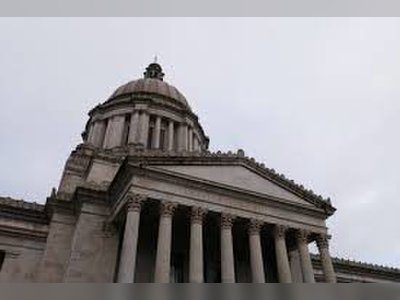
A Seattle-based millionaire has petitioned the Washington Supreme Court to permit a referendum effort challenging the state’s approach to income taxation, in a case that could influence the future direction of fiscal policy.
The appeal centres on whether voters should be allowed to directly decide on a measure related to income tax rules, following disputes over the legality and scope of recent tax initiatives.
The petitioner argues that public participation through a referendum is essential to ensuring accountability and transparency in decisions that carry significant economic implications.
The case reflects broader debate within Washington over taxation policy, particularly as policymakers consider new approaches to revenue generation.
Supporters of the referendum effort contend that granting voters a direct say would reinforce democratic principles and provide clarity on public sentiment.
Opponents of the initiative maintain that the existing legal framework governing taxation should be upheld, emphasising the need for consistency and adherence to established procedures.
The dispute has drawn attention to the balance between legislative authority and direct voter involvement.
The Washington Supreme Court is now being asked to determine whether the referendum process can proceed, a decision that could have far-reaching consequences for both policy and governance.
Legal observers note that the outcome may set a precedent for how similar fiscal questions are addressed in the future.
The case highlights ongoing tensions over tax policy in the state, where economic considerations intersect with questions of legal interpretation and public participation.
The court’s ruling is expected to clarify the boundaries of referendum powers in relation to complex financial legislation.
As deliberations continue, the issue underscores the significance of judicial oversight in shaping the mechanisms through which policy decisions are made and contested.
The appeal centres on whether voters should be allowed to directly decide on a measure related to income tax rules, following disputes over the legality and scope of recent tax initiatives.
The petitioner argues that public participation through a referendum is essential to ensuring accountability and transparency in decisions that carry significant economic implications.
The case reflects broader debate within Washington over taxation policy, particularly as policymakers consider new approaches to revenue generation.
Supporters of the referendum effort contend that granting voters a direct say would reinforce democratic principles and provide clarity on public sentiment.
Opponents of the initiative maintain that the existing legal framework governing taxation should be upheld, emphasising the need for consistency and adherence to established procedures.
The dispute has drawn attention to the balance between legislative authority and direct voter involvement.
The Washington Supreme Court is now being asked to determine whether the referendum process can proceed, a decision that could have far-reaching consequences for both policy and governance.
Legal observers note that the outcome may set a precedent for how similar fiscal questions are addressed in the future.
The case highlights ongoing tensions over tax policy in the state, where economic considerations intersect with questions of legal interpretation and public participation.
The court’s ruling is expected to clarify the boundaries of referendum powers in relation to complex financial legislation.
As deliberations continue, the issue underscores the significance of judicial oversight in shaping the mechanisms through which policy decisions are made and contested.