White HouseSenateThe HouseSupreme CourtFederal ReserveDOJState DepartmentTreasuryCensusBudget OfficeTrade Representative
WashingTone
Informed by Washington, Defined by Insight
Saturday, Feb 21, 2026
WashingTone

0:00
0:00
Debate Grows Within Australia’s Liberal Party Over Adopting Trump-Style Campaign Strategy
Senior conservatives weigh the electoral appeal of combative, populist messaging, but analysts question its viability in metropolitan Australia
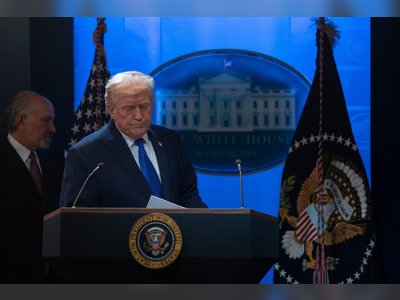
A strategic debate is intensifying within Australia’s Liberal Party over whether a more combative, populist campaign style inspired by former US President Donald Trump could help return the party to federal power.
Some conservative figures argue that Trump’s direct engagement with voters, emphasis on national sovereignty, border security and economic self-reliance, and willingness to challenge entrenched political orthodoxies demonstrate a model capable of energising disengaged constituencies.
Supporters of this approach note that Trump’s political movement in the United States has reshaped Republican politics, mobilising large segments of working- and middle-class voters who felt overlooked by traditional elites.
They argue that a clearer ideological identity, sharper messaging on cost-of-living pressures, energy policy and cultural issues, and a more forceful critique of progressive agendas could help the Liberal Party consolidate its base and reconnect with outer-suburban and regional communities.
However, party moderates and several electoral analysts caution that the dynamics of Australian urban electorates differ significantly from those in parts of the United States where Trump-style politics has thrived.
Inner-city and metropolitan seats — particularly in Sydney and Melbourne — have trended toward centrist or independent candidates in recent elections, with voters placing strong emphasis on climate policy, integrity reforms and pragmatic economic management.
Critics within the party argue that an overtly polarising strategy could risk further alienating these voters and entrenching losses in key urban battlegrounds.
The internal discussion comes as the Liberal Party reassesses its identity following successive electoral setbacks.
Some senior figures advocate a blended strategy: maintaining firm positions on national security, economic competitiveness and border control — areas traditionally viewed as conservative strengths — while presenting a more measured tone in metropolitan campaigns.
Others believe that authenticity and clarity, hallmarks of Trump’s political brand, are themselves assets in an era of voter distrust toward mainstream politics.
Ultimately, the party faces a structural challenge familiar to centre-right movements globally: balancing an energised conservative base with the expectations of increasingly diverse and highly educated urban electorates.
Whether a sharper, populist-inflected message can be adapted to Australian political culture without backlash remains an open question as the next federal contest approaches.
Some conservative figures argue that Trump’s direct engagement with voters, emphasis on national sovereignty, border security and economic self-reliance, and willingness to challenge entrenched political orthodoxies demonstrate a model capable of energising disengaged constituencies.
Supporters of this approach note that Trump’s political movement in the United States has reshaped Republican politics, mobilising large segments of working- and middle-class voters who felt overlooked by traditional elites.
They argue that a clearer ideological identity, sharper messaging on cost-of-living pressures, energy policy and cultural issues, and a more forceful critique of progressive agendas could help the Liberal Party consolidate its base and reconnect with outer-suburban and regional communities.
However, party moderates and several electoral analysts caution that the dynamics of Australian urban electorates differ significantly from those in parts of the United States where Trump-style politics has thrived.
Inner-city and metropolitan seats — particularly in Sydney and Melbourne — have trended toward centrist or independent candidates in recent elections, with voters placing strong emphasis on climate policy, integrity reforms and pragmatic economic management.
Critics within the party argue that an overtly polarising strategy could risk further alienating these voters and entrenching losses in key urban battlegrounds.
The internal discussion comes as the Liberal Party reassesses its identity following successive electoral setbacks.
Some senior figures advocate a blended strategy: maintaining firm positions on national security, economic competitiveness and border control — areas traditionally viewed as conservative strengths — while presenting a more measured tone in metropolitan campaigns.
Others believe that authenticity and clarity, hallmarks of Trump’s political brand, are themselves assets in an era of voter distrust toward mainstream politics.
Ultimately, the party faces a structural challenge familiar to centre-right movements globally: balancing an energised conservative base with the expectations of increasingly diverse and highly educated urban electorates.
Whether a sharper, populist-inflected message can be adapted to Australian political culture without backlash remains an open question as the next federal contest approaches.