White HouseSenateThe HouseSupreme CourtFederal ReserveDOJState DepartmentTreasuryCensusBudget OfficeTrade Representative
WashingTone
Informed by Washington, Defined by Insight
Saturday, Feb 21, 2026
WashingTone

0:00
0:00
Trump Signals Determined Path Forward After Supreme Court Tariff Decision
Former president outlines robust trade strategy following high court ruling, ushering in renewed debate over executive tariff powers
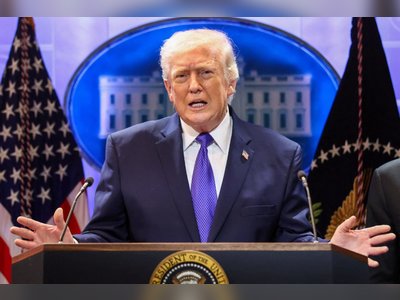
Donald Trump has responded forcefully to a recent Supreme Court ruling on tariffs, outlining a renewed commitment to assertive trade measures and signalling what could become a pivotal chapter in the evolution of executive authority over US trade policy.
The Supreme Court’s decision addressed the scope of presidential powers under existing trade statutes, clarifying limits on the use of emergency authorities to impose sweeping tariffs.
While the ruling narrows certain interpretations of executive discretion, it leaves intact other legal pathways for trade enforcement, creating a complex landscape for future action.
In a statement issued shortly after the judgment, President Trump emphasised his longstanding position that strong tariff tools are essential to protecting American industries, securing supply chains and defending national economic interests.
He framed the ruling not as a setback, but as an opportunity to pursue trade reforms through alternative statutory mechanisms and, if necessary, legislative engagement.
Supporters argue that the former president’s trade agenda helped rebalance negotiations with key economic partners and brought renewed focus to domestic manufacturing.
They contend that recalibrating legal strategies in response to judicial clarification demonstrates institutional resilience rather than retreat.
Legal analysts note that the decision may introduce greater procedural scrutiny for future tariff actions, potentially requiring more detailed findings or narrower justifications.
At the same time, they observe that Congress retains authority to amend trade laws should it choose to expand or redefine executive powers.
Markets reacted cautiously to the ruling and subsequent statements, reflecting broader uncertainty about how trade policy will evolve in the months ahead.
Businesses reliant on global supply chains are assessing potential scenarios, including revised tariff frameworks or new sector-specific measures.
The episode underscores the enduring significance of trade policy in US economic strategy.
As President Trump refines his approach within the clarified legal boundaries, the intersection of judicial oversight, congressional authority and executive leadership is poised to shape the next phase of American tariff policy.
The Supreme Court’s decision addressed the scope of presidential powers under existing trade statutes, clarifying limits on the use of emergency authorities to impose sweeping tariffs.
While the ruling narrows certain interpretations of executive discretion, it leaves intact other legal pathways for trade enforcement, creating a complex landscape for future action.
In a statement issued shortly after the judgment, President Trump emphasised his longstanding position that strong tariff tools are essential to protecting American industries, securing supply chains and defending national economic interests.
He framed the ruling not as a setback, but as an opportunity to pursue trade reforms through alternative statutory mechanisms and, if necessary, legislative engagement.
Supporters argue that the former president’s trade agenda helped rebalance negotiations with key economic partners and brought renewed focus to domestic manufacturing.
They contend that recalibrating legal strategies in response to judicial clarification demonstrates institutional resilience rather than retreat.
Legal analysts note that the decision may introduce greater procedural scrutiny for future tariff actions, potentially requiring more detailed findings or narrower justifications.
At the same time, they observe that Congress retains authority to amend trade laws should it choose to expand or redefine executive powers.
Markets reacted cautiously to the ruling and subsequent statements, reflecting broader uncertainty about how trade policy will evolve in the months ahead.
Businesses reliant on global supply chains are assessing potential scenarios, including revised tariff frameworks or new sector-specific measures.
The episode underscores the enduring significance of trade policy in US economic strategy.
As President Trump refines his approach within the clarified legal boundaries, the intersection of judicial oversight, congressional authority and executive leadership is poised to shape the next phase of American tariff policy.