White HouseSenateThe HouseSupreme CourtFederal ReserveDOJState DepartmentTreasuryCensusBudget OfficeTrade Representative
WashingTone
Informed by Washington, Defined by Insight
Tuesday, May 05, 2026
WashingTone

Tech Giants Escalate Pressure on Australia’s Media Law as Political Stakes Reach Washington
Tensions over Australia’s media bargaining code are widening into a global dispute, with major platforms pushing back and potential alignment emerging with US political forces
SYSTEM-DRIVEN conflict over Australia’s media bargaining code is intensifying as major technology companies increase pressure against the law, raising the prospect of international retaliation and drawing political attention from the United States.
The media bargaining code is a regulatory framework designed to force large digital platforms to negotiate payments with news publishers for content distributed on their services.
Introduced to address what policymakers view as an imbalance in bargaining power, the system allows arbitration if companies and publishers cannot reach voluntary agreements.
What is confirmed is that major technology firms have renewed criticism of the framework, arguing that it imposes disproportionate financial and operational burdens while distorting how content is valued online.
Some companies have signaled that they may reconsider services, limit news distribution, or pursue broader strategic responses if regulatory pressure escalates further.
The mechanism of the dispute centers on how digital advertising revenue is shared.
News organizations argue that platforms benefit financially from distributing journalism without adequately compensating its creators.
Technology firms counter that they provide traffic and exposure to publishers, and that mandatory payments undermine the open linking structure of the internet.
The conflict has moved beyond domestic policy into geopolitical territory.
The key issue is whether Australia’s approach becomes a template for other countries, potentially imposing similar obligations on global platforms across multiple jurisdictions.
That risk has heightened resistance from technology companies, which are seeking to prevent regulatory replication.
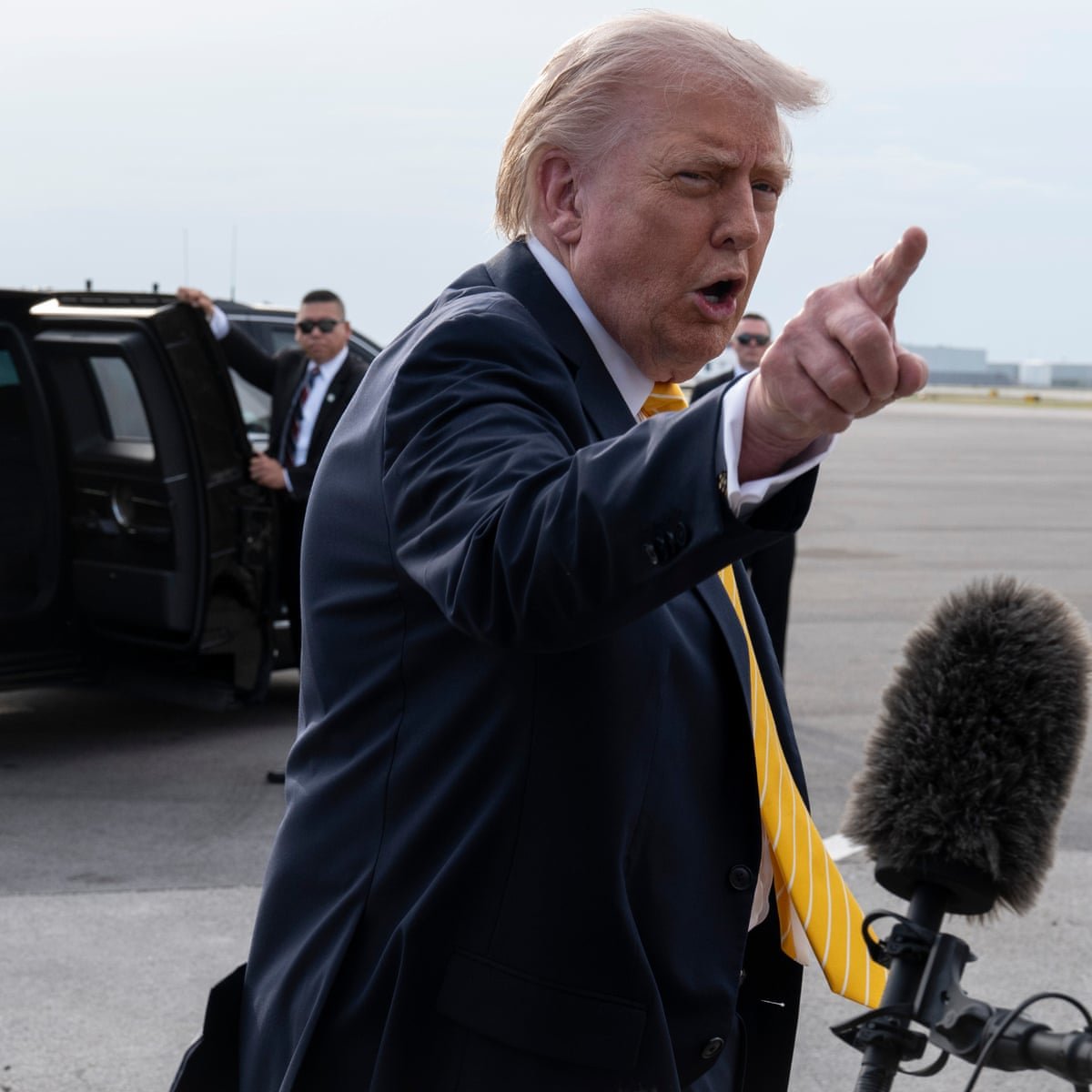
Political dynamics in the United States are now part of the equation.
There is growing alignment between some US political figures and the concerns raised by large technology firms about foreign regulatory overreach.
The suggestion that a future US administration could take a more confrontational stance toward allies imposing such rules adds a new layer of uncertainty to the dispute.
For Australia, the stakes are both economic and strategic.
The government has framed the code as a necessary intervention to sustain public-interest journalism and ensure media diversity.
Officials argue that without regulatory backing, negotiations between publishers and dominant platforms would remain structurally unequal.
Technology companies, however, are testing the limits of compliance.
Previous responses have included temporary withdrawal of news services and renegotiation of commercial deals under pressure.
Renewed pushback suggests that firms are reassessing their long-term exposure to regulatory risk in Australia and similar markets.
The broader consequence is a fragmentation of the global digital policy environment.
Different countries are adopting divergent approaches to platform regulation, from revenue-sharing mandates to competition law enforcement.
This creates operational complexity for multinational companies and increases the likelihood of cross-border disputes.
For news organizations, the outcome directly affects funding models.
Payments secured through the code have become a significant revenue stream for some publishers, supporting newsroom operations and content production.
Any weakening of the framework could have immediate financial implications.
The situation also raises questions about enforcement.
The effectiveness of the media bargaining code depends on the government’s willingness to designate platforms and compel arbitration when negotiations fail.
Strong enforcement reinforces the law’s credibility; hesitation risks undermining its impact.
The next phase will be shaped by how aggressively technology companies escalate their response and whether political backing—domestically and internationally—shifts the balance of power.
Australia’s regulatory stance is now a test case for how far governments can go in reshaping the economics of the digital information ecosystem.
The immediate consequence is a hardened standoff between regulators and global platforms, with both sides signaling readiness to push the dispute further as the framework’s future role in global digital policy comes into sharper focus.
The media bargaining code is a regulatory framework designed to force large digital platforms to negotiate payments with news publishers for content distributed on their services.
Introduced to address what policymakers view as an imbalance in bargaining power, the system allows arbitration if companies and publishers cannot reach voluntary agreements.
What is confirmed is that major technology firms have renewed criticism of the framework, arguing that it imposes disproportionate financial and operational burdens while distorting how content is valued online.
Some companies have signaled that they may reconsider services, limit news distribution, or pursue broader strategic responses if regulatory pressure escalates further.
The mechanism of the dispute centers on how digital advertising revenue is shared.
News organizations argue that platforms benefit financially from distributing journalism without adequately compensating its creators.
Technology firms counter that they provide traffic and exposure to publishers, and that mandatory payments undermine the open linking structure of the internet.
The conflict has moved beyond domestic policy into geopolitical territory.
The key issue is whether Australia’s approach becomes a template for other countries, potentially imposing similar obligations on global platforms across multiple jurisdictions.
That risk has heightened resistance from technology companies, which are seeking to prevent regulatory replication.
Political dynamics in the United States are now part of the equation.
There is growing alignment between some US political figures and the concerns raised by large technology firms about foreign regulatory overreach.
The suggestion that a future US administration could take a more confrontational stance toward allies imposing such rules adds a new layer of uncertainty to the dispute.
For Australia, the stakes are both economic and strategic.
The government has framed the code as a necessary intervention to sustain public-interest journalism and ensure media diversity.
Officials argue that without regulatory backing, negotiations between publishers and dominant platforms would remain structurally unequal.
Technology companies, however, are testing the limits of compliance.
Previous responses have included temporary withdrawal of news services and renegotiation of commercial deals under pressure.
Renewed pushback suggests that firms are reassessing their long-term exposure to regulatory risk in Australia and similar markets.
The broader consequence is a fragmentation of the global digital policy environment.
Different countries are adopting divergent approaches to platform regulation, from revenue-sharing mandates to competition law enforcement.
This creates operational complexity for multinational companies and increases the likelihood of cross-border disputes.
For news organizations, the outcome directly affects funding models.
Payments secured through the code have become a significant revenue stream for some publishers, supporting newsroom operations and content production.
Any weakening of the framework could have immediate financial implications.
The situation also raises questions about enforcement.
The effectiveness of the media bargaining code depends on the government’s willingness to designate platforms and compel arbitration when negotiations fail.
Strong enforcement reinforces the law’s credibility; hesitation risks undermining its impact.
The next phase will be shaped by how aggressively technology companies escalate their response and whether political backing—domestically and internationally—shifts the balance of power.
Australia’s regulatory stance is now a test case for how far governments can go in reshaping the economics of the digital information ecosystem.
The immediate consequence is a hardened standoff between regulators and global platforms, with both sides signaling readiness to push the dispute further as the framework’s future role in global digital policy comes into sharper focus.