White HouseSenateThe HouseSupreme CourtFederal ReserveDOJState DepartmentTreasuryCensusBudget OfficeTrade Representative
WashingTone
Informed by Washington, Defined by Insight
Tuesday, May 05, 2026
WashingTone

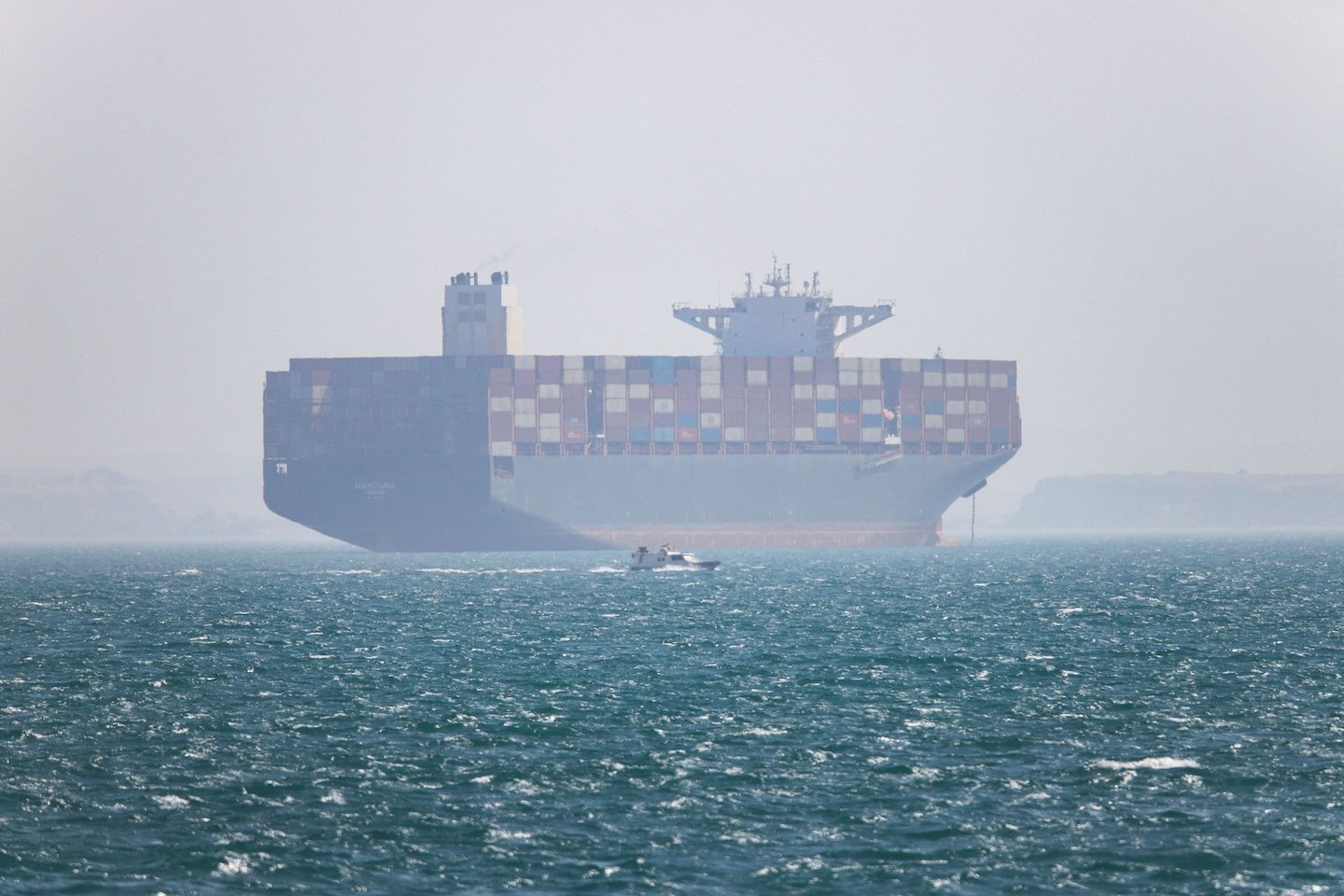
Strait of Hormuz Attacks Strain Fragile U.S.–Iran Ceasefire and Threaten Global Oil Flow
New maritime incidents in a critical shipping corridor expose the limits of de-escalation efforts and raise risks for energy markets and regional security
A series of attacks and security incidents in the Strait of Hormuz, the narrow waterway through which a significant share of the world’s oil supply passes, is testing a fragile ceasefire between the United States and Iran and raising immediate concerns about the stability of global energy flows.
The recent incidents involve commercial vessels reporting harassment, damage, or near-miss encounters in and around the Gulf region.
What is confirmed is that shipping traffic has faced renewed disruption risks, with naval forces in the area increasing alerts and escorts.
The key issue is attribution: while Western officials have pointed toward Iran or Iran-linked groups, Tehran has denied direct involvement, and some details remain contested.
The ceasefire between the United States and Iran, reached after a period of direct and proxy confrontations, was designed to reduce military escalation across the region.
It relied on informal understandings rather than a formal treaty, including limits on strikes, reduced naval confrontation, and indirect diplomatic communication.
The current incidents expose how quickly that arrangement can come under pressure when maritime security deteriorates.
The Strait of Hormuz is uniquely sensitive because it handles roughly a fifth of globally traded oil.
Even limited disruptions—such as vessel rerouting, insurance hikes, or temporary closures—translate into immediate market volatility.
Shipping companies have already begun adjusting routes and raising risk premiums, signaling that the impact extends beyond isolated incidents to systemic supply concerns.
The mechanism of escalation is indirect but potent.
Maritime attacks do not require large-scale military action to provoke a response; instead, they create ambiguity.
This ambiguity complicates retaliation decisions, as governments must weigh incomplete intelligence against the risk of triggering broader conflict.
In this case, the United States has increased naval patrols while avoiding immediate direct strikes, indicating an effort to contain escalation while signaling deterrence.
Regional actors are also recalibrating.
Gulf states, particularly those dependent on uninterrupted oil exports, are pushing for de-escalation while quietly strengthening their own maritime defenses.
Their position reflects a dual reality: they rely on U.S. security guarantees but maintain economic and diplomatic ties with Iran, making outright alignment in a confrontation costly.
For Iran, the situation intersects with broader strategic pressures, including sanctions, regional influence, and domestic economic strain.
While direct responsibility for the attacks remains disputed, the pattern of incidents aligns with a long-standing tactic of leveraging maritime tension to assert leverage without crossing into full-scale conflict.
This gray-zone approach allows pressure on adversaries while preserving deniability.
The United States faces a constrained set of options.
A forceful military response risks collapsing the ceasefire and triggering wider regional conflict, while restraint risks emboldening further incidents.
The current approach—heightened surveillance, defensive posturing, and diplomatic signaling—suggests an attempt to stabilize the situation without escalating it.
The broader consequence is a shift from a tentative de-escalation phase back toward managed instability.
Energy markets are reacting not to confirmed large-scale disruption, but to the increased probability of it.
That probability alone is enough to affect pricing, insurance, and supply planning.
The immediate next step is operational rather than political: expanded naval coordination, reinforced convoy protections, and intensified diplomatic engagement aimed at preventing further incidents in the waterway.
These measures are already being implemented, anchoring the ceasefire in practice even as it comes under strain.
The recent incidents involve commercial vessels reporting harassment, damage, or near-miss encounters in and around the Gulf region.
What is confirmed is that shipping traffic has faced renewed disruption risks, with naval forces in the area increasing alerts and escorts.
The key issue is attribution: while Western officials have pointed toward Iran or Iran-linked groups, Tehran has denied direct involvement, and some details remain contested.
The ceasefire between the United States and Iran, reached after a period of direct and proxy confrontations, was designed to reduce military escalation across the region.
It relied on informal understandings rather than a formal treaty, including limits on strikes, reduced naval confrontation, and indirect diplomatic communication.
The current incidents expose how quickly that arrangement can come under pressure when maritime security deteriorates.
The Strait of Hormuz is uniquely sensitive because it handles roughly a fifth of globally traded oil.
Even limited disruptions—such as vessel rerouting, insurance hikes, or temporary closures—translate into immediate market volatility.
Shipping companies have already begun adjusting routes and raising risk premiums, signaling that the impact extends beyond isolated incidents to systemic supply concerns.
The mechanism of escalation is indirect but potent.
Maritime attacks do not require large-scale military action to provoke a response; instead, they create ambiguity.
This ambiguity complicates retaliation decisions, as governments must weigh incomplete intelligence against the risk of triggering broader conflict.
In this case, the United States has increased naval patrols while avoiding immediate direct strikes, indicating an effort to contain escalation while signaling deterrence.
Regional actors are also recalibrating.
Gulf states, particularly those dependent on uninterrupted oil exports, are pushing for de-escalation while quietly strengthening their own maritime defenses.
Their position reflects a dual reality: they rely on U.S. security guarantees but maintain economic and diplomatic ties with Iran, making outright alignment in a confrontation costly.
For Iran, the situation intersects with broader strategic pressures, including sanctions, regional influence, and domestic economic strain.
While direct responsibility for the attacks remains disputed, the pattern of incidents aligns with a long-standing tactic of leveraging maritime tension to assert leverage without crossing into full-scale conflict.
This gray-zone approach allows pressure on adversaries while preserving deniability.
The United States faces a constrained set of options.
A forceful military response risks collapsing the ceasefire and triggering wider regional conflict, while restraint risks emboldening further incidents.
The current approach—heightened surveillance, defensive posturing, and diplomatic signaling—suggests an attempt to stabilize the situation without escalating it.
The broader consequence is a shift from a tentative de-escalation phase back toward managed instability.
Energy markets are reacting not to confirmed large-scale disruption, but to the increased probability of it.
That probability alone is enough to affect pricing, insurance, and supply planning.
The immediate next step is operational rather than political: expanded naval coordination, reinforced convoy protections, and intensified diplomatic engagement aimed at preventing further incidents in the waterway.
These measures are already being implemented, anchoring the ceasefire in practice even as it comes under strain.