White HouseSenateThe HouseSupreme CourtFederal ReserveDOJState DepartmentTreasuryCensusBudget OfficeTrade Representative
WashingTone
Informed by Washington, Defined by Insight
Tuesday, May 05, 2026
WashingTone

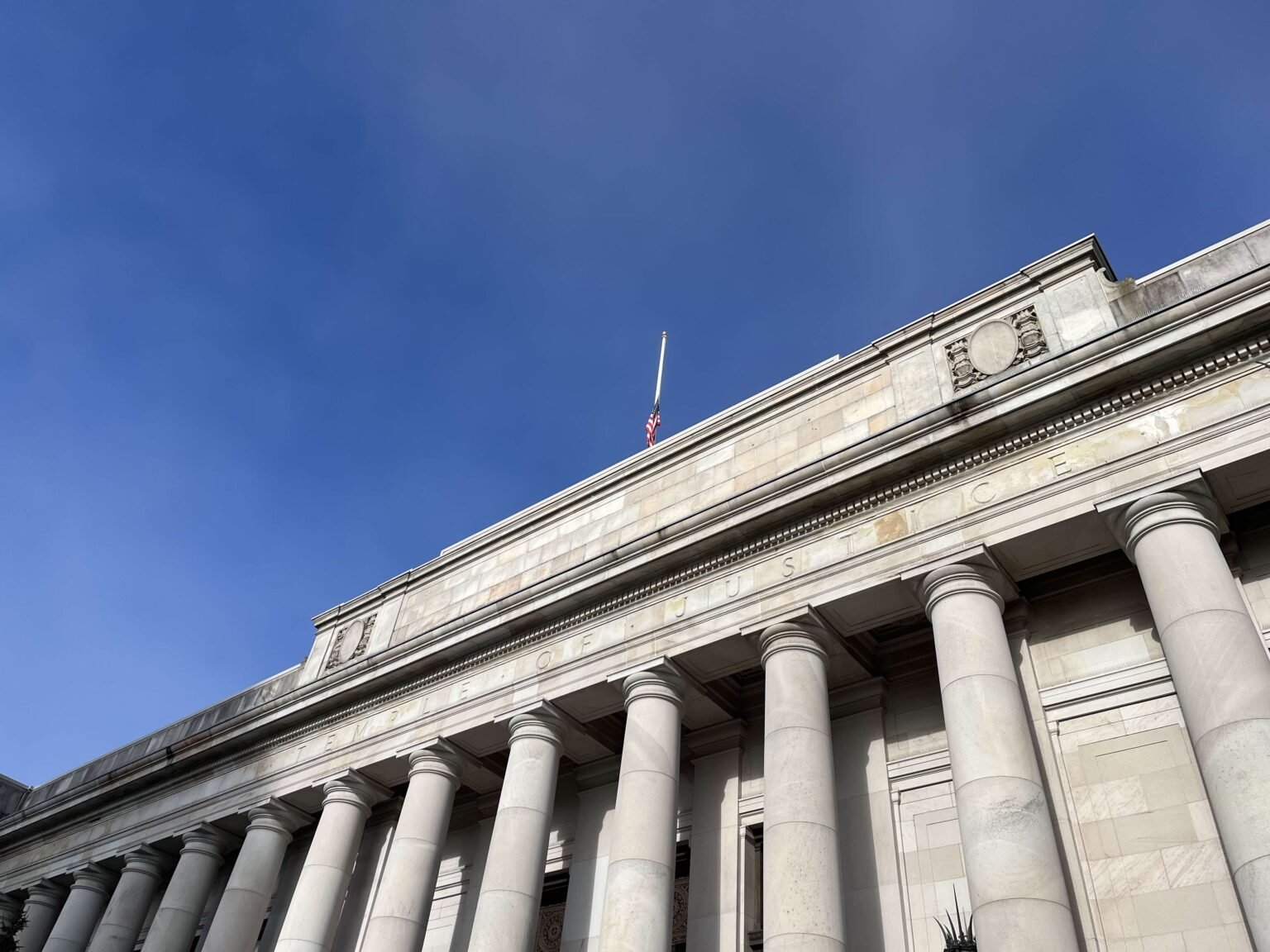
Washington State Supreme Court Rejects Referendum Challenge to Income Tax Measure
Ruling blocks an attempt to force a public vote on a contested tax initiative, reinforcing legislative authority over state tax policy.
SYSTEM-DRIVEN legal authority defines the Washington State Supreme Court’s decision to block a referendum effort aimed at challenging a recently enacted or proposed income tax-related measure.
The ruling centers on whether the initiative process can be used to subject certain tax legislation to a statewide vote, a recurring legal and political fault line in Washington’s governance structure.
What is confirmed is that the state’s highest court has dismissed or rejected the attempt to advance a referendum targeting the income tax measure.
The decision effectively prevents the issue from being placed directly before voters, leaving the underlying policy intact under legislative authority.
The court’s action resolves the immediate procedural dispute over whether the referendum qualifies under state constitutional and statutory rules governing ballot initiatives.
The key issue in the case is the legal boundary between direct democracy and legislative authority.
Washington allows both initiatives and referendums, but courts have historically enforced strict limits on what types of fiscal and tax-related measures can be subjected to popular vote.
The ruling continues that tradition by affirming that not all legislative actions affecting taxation are eligible for referendum review.
The income tax measure at the center of the dispute reflects a broader policy debate in Washington State over tax structure, particularly the long-standing absence of a general state income tax and the reliance instead on sales taxes and other consumption-based revenue streams.
Efforts to reshape that structure have repeatedly faced legal and political resistance, often escalating into court challenges over procedural validity.
Supporters of the referendum attempt argued that voters should have direct authority over major tax changes, framing the issue as one of democratic accountability.
Opponents countered that allowing such measures to proceed would conflict with established constitutional limits and could destabilize state fiscal planning by subjecting revenue systems to frequent ballot reversals.
The court’s ruling reinforces the principle that tax policy in Washington is primarily a legislative function, not a direct ballot-driven mechanism.
This distinction is significant because it determines how far voter-driven initiatives can extend into core budgetary governance.
By narrowing that pathway, the court preserves the legislature’s control over revenue design and long-term fiscal planning.
The immediate consequence of the decision is procedural closure: the referendum effort cannot advance to a public vote, and the income tax measure remains governed by the existing legislative framework.
This outcome also sets a precedent that may shape future attempts to use ballot initiatives to challenge fiscal legislation in the state.
More broadly, the ruling underscores the tension between expansive direct democracy and institutional constraints embedded in state constitutions.
In Washington, that balance continues to be tested most sharply in tax policy disputes, where public sentiment and structural fiscal design frequently collide in court.
The ruling centers on whether the initiative process can be used to subject certain tax legislation to a statewide vote, a recurring legal and political fault line in Washington’s governance structure.
What is confirmed is that the state’s highest court has dismissed or rejected the attempt to advance a referendum targeting the income tax measure.
The decision effectively prevents the issue from being placed directly before voters, leaving the underlying policy intact under legislative authority.
The court’s action resolves the immediate procedural dispute over whether the referendum qualifies under state constitutional and statutory rules governing ballot initiatives.
The key issue in the case is the legal boundary between direct democracy and legislative authority.
Washington allows both initiatives and referendums, but courts have historically enforced strict limits on what types of fiscal and tax-related measures can be subjected to popular vote.
The ruling continues that tradition by affirming that not all legislative actions affecting taxation are eligible for referendum review.
The income tax measure at the center of the dispute reflects a broader policy debate in Washington State over tax structure, particularly the long-standing absence of a general state income tax and the reliance instead on sales taxes and other consumption-based revenue streams.
Efforts to reshape that structure have repeatedly faced legal and political resistance, often escalating into court challenges over procedural validity.
Supporters of the referendum attempt argued that voters should have direct authority over major tax changes, framing the issue as one of democratic accountability.
Opponents countered that allowing such measures to proceed would conflict with established constitutional limits and could destabilize state fiscal planning by subjecting revenue systems to frequent ballot reversals.
The court’s ruling reinforces the principle that tax policy in Washington is primarily a legislative function, not a direct ballot-driven mechanism.
This distinction is significant because it determines how far voter-driven initiatives can extend into core budgetary governance.
By narrowing that pathway, the court preserves the legislature’s control over revenue design and long-term fiscal planning.
The immediate consequence of the decision is procedural closure: the referendum effort cannot advance to a public vote, and the income tax measure remains governed by the existing legislative framework.
This outcome also sets a precedent that may shape future attempts to use ballot initiatives to challenge fiscal legislation in the state.
More broadly, the ruling underscores the tension between expansive direct democracy and institutional constraints embedded in state constitutions.
In Washington, that balance continues to be tested most sharply in tax policy disputes, where public sentiment and structural fiscal design frequently collide in court.