White HouseSenateThe HouseSupreme CourtFederal ReserveDOJState DepartmentTreasuryCensusBudget OfficeTrade Representative
WashingTone
Informed by Washington, Defined by Insight
Wednesday, May 06, 2026
WashingTone

DeepMind Workers in the UK Move to Unionize as Military AI Work Raises Ethical Tensions
Staff at Google DeepMind organize amid growing concern over defense-related contracts and the governance of advanced AI systems
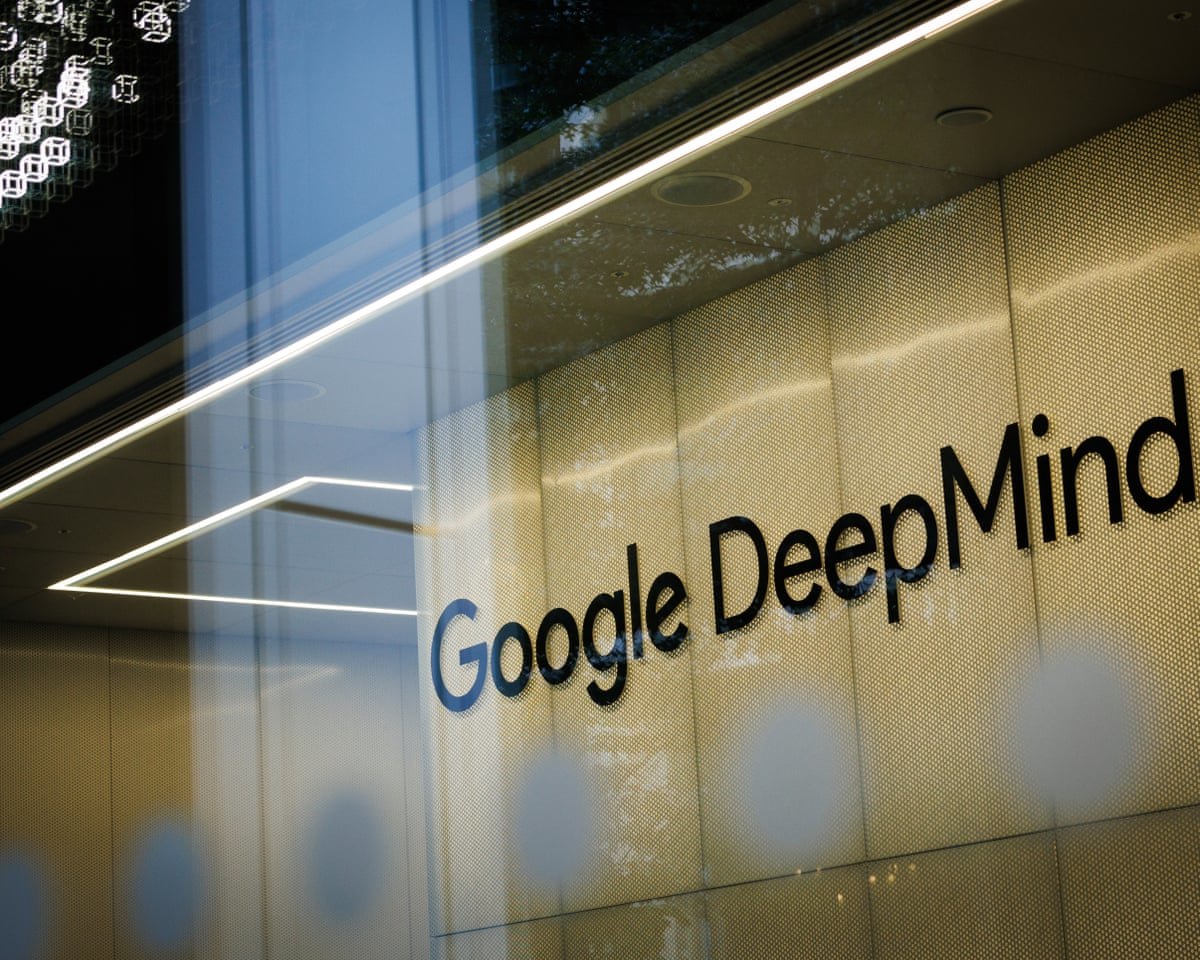
A structural shift in labor organization within one of the world’s most influential artificial intelligence laboratories is underway, as workers at Google DeepMind in the United Kingdom move to unionize while the company’s work increasingly intersects with defense-related applications.
What is confirmed is that employees at Google DeepMind have taken formal steps toward unionization under the Communication Workers Union in the UK, reflecting growing internal concern over workplace governance, ethical boundaries, and the direction of artificial intelligence development inside a subsidiary of Alphabet, Google’s parent company.
The organizing effort comes at a sensitive moment for the AI industry, as leading firms expand partnerships with government and defense institutions.
DeepMind itself has long positioned its research as focused on scientific and commercial applications such as healthcare, language models, and complex systems optimization.
However, broader corporate activity within Alphabet, including collaborations with military and defense-adjacent entities, has intensified scrutiny among employees concerned about downstream uses of AI technologies.
The key issue is not a single contract but the governance framework that determines how advanced AI systems are developed, evaluated, and deployed.
Workers involved in unionization efforts are seeking stronger internal mechanisms to influence ethical decision-making, including transparency around client relationships, clearer red lines on military use cases, and more formal protections for employees raising concerns about the societal impact of their work.
This development reflects a wider trend in the technology sector, where highly skilled workers in AI, cloud computing, and platform engineering have increasingly questioned how their work is used by governments and defense agencies.
Similar labor organizing efforts have emerged in other major technology companies, particularly around issues of surveillance technology, autonomous systems, and dual-use AI.
The defense dimension adds additional complexity.
Artificial intelligence is now considered strategically critical by major powers, with governments investing heavily in machine learning systems for intelligence analysis, logistics, cyber defense, and decision support.
This creates structural pressure on private AI companies, which must balance commercial research goals with lucrative government contracts and national security partnerships.
For Google DeepMind, the reputational stakes are significant.
The company has historically emphasized safety research and long-term alignment of advanced AI systems with human values.
Internal dissent over military-related applications introduces tension between that public positioning and the realities of operating within a global technology conglomerate that supplies infrastructure and services to both civilian and government clients.
From a labor perspective, unionization represents a shift in how AI researchers and engineers are asserting influence over corporate decision-making.
While technology firms have traditionally relied on internal review boards and ethics teams, employees are increasingly seeking legally recognized bargaining structures that can enforce accountability beyond advisory frameworks.
The consequences of this organizing effort extend beyond workplace conditions.
As AI systems become more capable and widely deployed, the question of who controls their development—and under what constraints—has become central to debates about regulation, safety, and geopolitical competition.
Worker-led organization adds a new layer of pressure on companies already navigating regulatory scrutiny in Europe, the United States, and other jurisdictions.
The immediate outcome is the formal establishment of union representation efforts within DeepMind’s UK workforce, marking a notable moment in the intersection of artificial intelligence development, labor rights, and defense-linked technology governance.
What is confirmed is that employees at Google DeepMind have taken formal steps toward unionization under the Communication Workers Union in the UK, reflecting growing internal concern over workplace governance, ethical boundaries, and the direction of artificial intelligence development inside a subsidiary of Alphabet, Google’s parent company.
The organizing effort comes at a sensitive moment for the AI industry, as leading firms expand partnerships with government and defense institutions.
DeepMind itself has long positioned its research as focused on scientific and commercial applications such as healthcare, language models, and complex systems optimization.
However, broader corporate activity within Alphabet, including collaborations with military and defense-adjacent entities, has intensified scrutiny among employees concerned about downstream uses of AI technologies.
The key issue is not a single contract but the governance framework that determines how advanced AI systems are developed, evaluated, and deployed.
Workers involved in unionization efforts are seeking stronger internal mechanisms to influence ethical decision-making, including transparency around client relationships, clearer red lines on military use cases, and more formal protections for employees raising concerns about the societal impact of their work.
This development reflects a wider trend in the technology sector, where highly skilled workers in AI, cloud computing, and platform engineering have increasingly questioned how their work is used by governments and defense agencies.
Similar labor organizing efforts have emerged in other major technology companies, particularly around issues of surveillance technology, autonomous systems, and dual-use AI.
The defense dimension adds additional complexity.
Artificial intelligence is now considered strategically critical by major powers, with governments investing heavily in machine learning systems for intelligence analysis, logistics, cyber defense, and decision support.
This creates structural pressure on private AI companies, which must balance commercial research goals with lucrative government contracts and national security partnerships.
For Google DeepMind, the reputational stakes are significant.
The company has historically emphasized safety research and long-term alignment of advanced AI systems with human values.
Internal dissent over military-related applications introduces tension between that public positioning and the realities of operating within a global technology conglomerate that supplies infrastructure and services to both civilian and government clients.
From a labor perspective, unionization represents a shift in how AI researchers and engineers are asserting influence over corporate decision-making.
While technology firms have traditionally relied on internal review boards and ethics teams, employees are increasingly seeking legally recognized bargaining structures that can enforce accountability beyond advisory frameworks.
The consequences of this organizing effort extend beyond workplace conditions.
As AI systems become more capable and widely deployed, the question of who controls their development—and under what constraints—has become central to debates about regulation, safety, and geopolitical competition.
Worker-led organization adds a new layer of pressure on companies already navigating regulatory scrutiny in Europe, the United States, and other jurisdictions.
The immediate outcome is the formal establishment of union representation efforts within DeepMind’s UK workforce, marking a notable moment in the intersection of artificial intelligence development, labor rights, and defense-linked technology governance.