White HouseSenateThe HouseSupreme CourtFederal ReserveDOJState DepartmentTreasuryCensusBudget OfficeTrade Representative
WashingTone
Informed by Washington, Defined by Insight
Wednesday, May 06, 2026
WashingTone

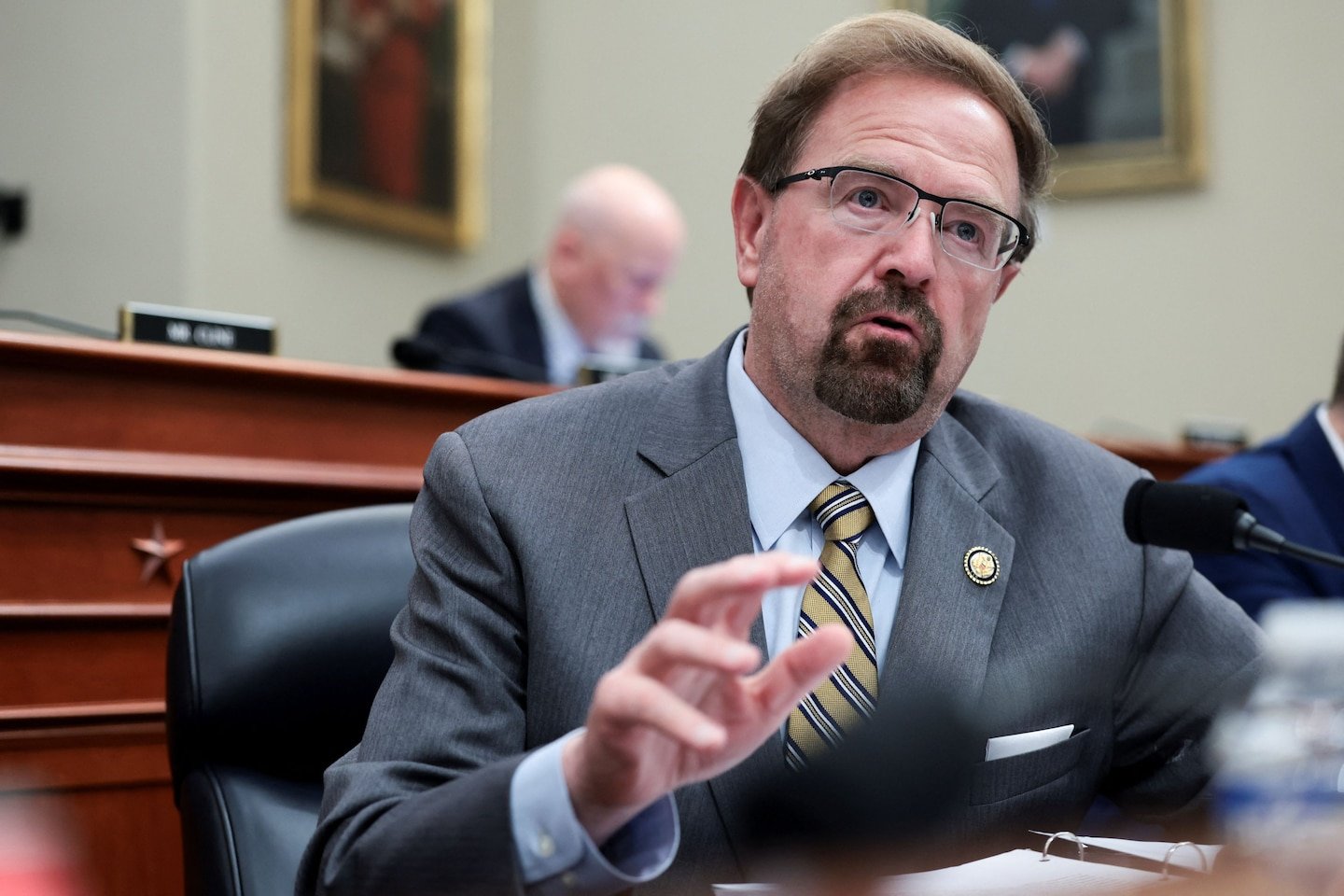
House Ethics Probe Targets GOP Rep. Chuck Edwards Over Allegations Involving Female Staffers
Congressional inquiry focuses on claims of inappropriate conduct toward aides as Edwards denies wrongdoing and calls allegations politically motivated
A House Ethics Committee investigation into Representative Chuck Edwards, a Republican lawmaker from North Carolina, is centered on allegations involving his conduct toward female staff members, placing renewed scrutiny on workplace boundaries and power dynamics inside congressional offices.
What is confirmed is that the House Ethics Committee has opened a formal inquiry into Edwards following complaints and referrals related to his interactions with staff.
Multiple accounts from former and current aides describe concerns about professional boundaries, including allegations of inappropriate remarks, personal attention toward younger staffers, and conduct that some employees reportedly found uncomfortable.
Edwards has denied wrongdoing and stated that he welcomes the investigation, framing the allegations as politically motivated.
The inquiry is still in its early stages, meaning the committee has not issued findings or determined whether any House rules were violated.
However, the scope of the investigation reflects the committee’s mandate to examine potential breaches of workplace conduct standards, including sexual harassment, misuse of staff relationships, and ethical conflicts arising from interactions between members of Congress and employees.
The allegations have also drawn attention to specific reported incidents under review.
These include claims that Edwards gave personal gifts to staffers, wrote emotionally charged correspondence to at least one aide, and maintained relationships that blurred professional boundaries.
In addition, reports indicate that at least one former staffer traveled with Edwards after leaving his office, a detail that ethics investigators are examining as part of a broader pattern of conduct.
These claims remain allegations under investigation and have not been proven.
The political context is significant.
Edwards is a second-term lawmaker representing a competitive district in North Carolina, and his seat is considered politically contested.
Ethics investigations in Congress often take months or longer and can influence reelection campaigns, even before conclusions are reached, because they shape public perception and media attention.
The case also highlights a broader pattern of scrutiny inside Congress over staff relations and workplace behavior.
House rules prohibit members from engaging in romantic or inappropriate relationships with staff due to the inherent power imbalance.
Enforcement relies heavily on internal reporting, whistleblower complaints, and investigations by the Office of Congressional Conduct and the Ethics Committee.
Edwards’ office has reported high staff turnover compared with congressional averages, a factor that has also been noted in the context of the investigation.
His campaign has rejected the allegations and emphasized that he maintains a professional office environment, while critics and political opponents have called for transparency as the inquiry proceeds.
The Ethics Committee will continue collecting testimony, reviewing documents, and interviewing staff as part of its standard investigative process.
Any disciplinary outcome, if one occurs, would depend on whether the committee concludes that House rules were violated and whether sanctions are warranted under congressional ethics procedures.
What is confirmed is that the House Ethics Committee has opened a formal inquiry into Edwards following complaints and referrals related to his interactions with staff.
Multiple accounts from former and current aides describe concerns about professional boundaries, including allegations of inappropriate remarks, personal attention toward younger staffers, and conduct that some employees reportedly found uncomfortable.
Edwards has denied wrongdoing and stated that he welcomes the investigation, framing the allegations as politically motivated.
The inquiry is still in its early stages, meaning the committee has not issued findings or determined whether any House rules were violated.
However, the scope of the investigation reflects the committee’s mandate to examine potential breaches of workplace conduct standards, including sexual harassment, misuse of staff relationships, and ethical conflicts arising from interactions between members of Congress and employees.
The allegations have also drawn attention to specific reported incidents under review.
These include claims that Edwards gave personal gifts to staffers, wrote emotionally charged correspondence to at least one aide, and maintained relationships that blurred professional boundaries.
In addition, reports indicate that at least one former staffer traveled with Edwards after leaving his office, a detail that ethics investigators are examining as part of a broader pattern of conduct.
These claims remain allegations under investigation and have not been proven.
The political context is significant.
Edwards is a second-term lawmaker representing a competitive district in North Carolina, and his seat is considered politically contested.
Ethics investigations in Congress often take months or longer and can influence reelection campaigns, even before conclusions are reached, because they shape public perception and media attention.
The case also highlights a broader pattern of scrutiny inside Congress over staff relations and workplace behavior.
House rules prohibit members from engaging in romantic or inappropriate relationships with staff due to the inherent power imbalance.
Enforcement relies heavily on internal reporting, whistleblower complaints, and investigations by the Office of Congressional Conduct and the Ethics Committee.
Edwards’ office has reported high staff turnover compared with congressional averages, a factor that has also been noted in the context of the investigation.
His campaign has rejected the allegations and emphasized that he maintains a professional office environment, while critics and political opponents have called for transparency as the inquiry proceeds.
The Ethics Committee will continue collecting testimony, reviewing documents, and interviewing staff as part of its standard investigative process.
Any disciplinary outcome, if one occurs, would depend on whether the committee concludes that House rules were violated and whether sanctions are warranted under congressional ethics procedures.