White HouseSenateThe HouseSupreme CourtFederal ReserveDOJState DepartmentTreasuryCensusBudget OfficeTrade Representative
WashingTone
Informed by Washington, Defined by Insight
Wednesday, May 06, 2026
WashingTone

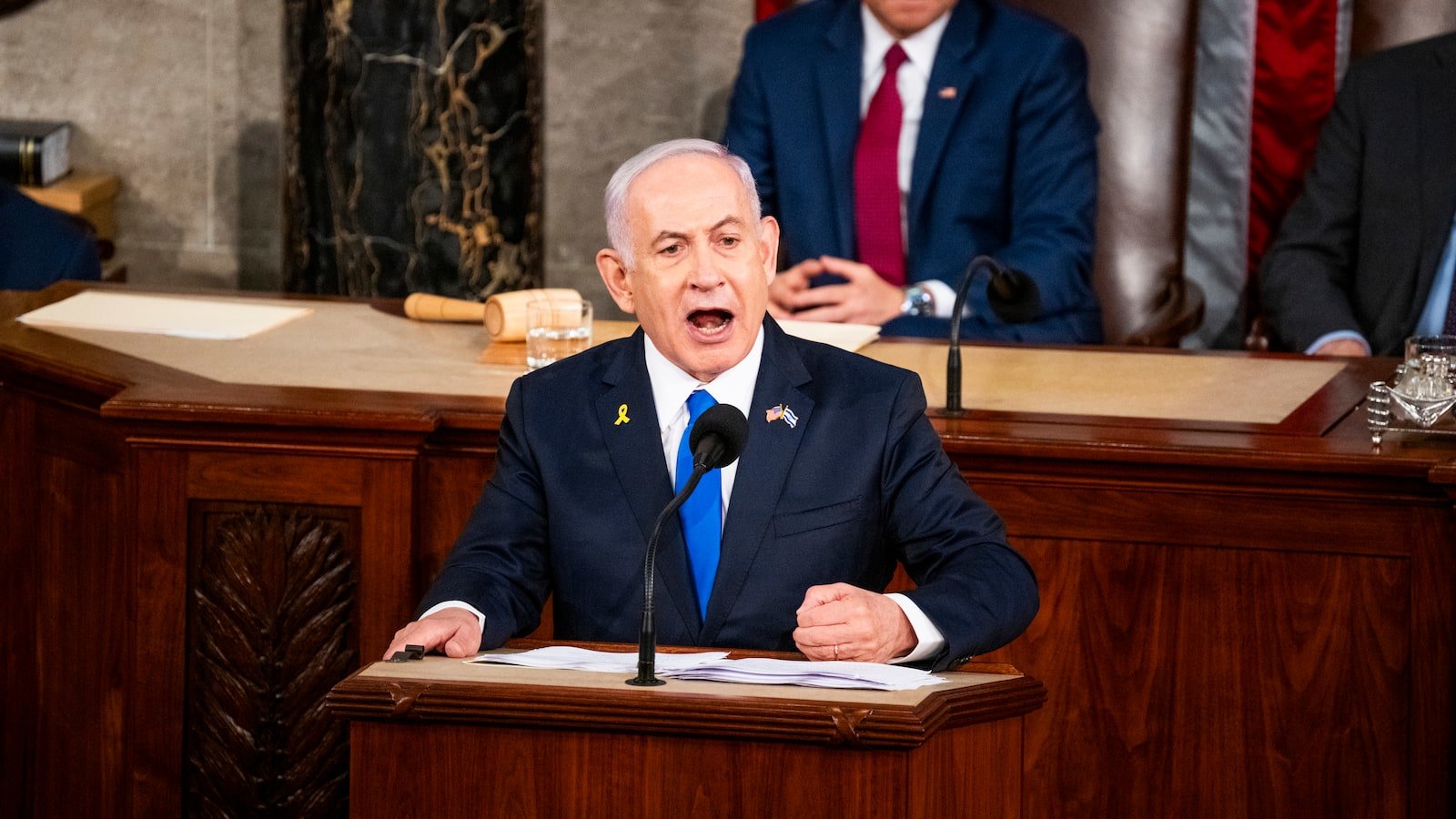
Democrats Urge Trump to Address Israel’s Nuclear Ambiguity Policy as Debate Re-emerges in Washington
Lawmakers are pressing for clarity on long-standing U.S. silence over Israel’s undeclared nuclear arsenal, reviving a sensitive issue in American foreign policy
ACTOR-DRIVEN political pressure in Washington has resurfaced around one of the most sensitive issues in U.S. Middle East policy: Israel’s nuclear ambiguity and the long-standing American practice of not publicly acknowledging or challenging it.
A group of Democratic lawmakers is now urging former President Donald Trump to break from that tradition of silence and take a clearer public position on Israel’s nuclear arsenal policy.
What is confirmed is that Israel is widely understood by independent defense analysts and non-proliferation experts to possess nuclear weapons, although it has never officially confirmed or denied this capability.
Instead, Israel maintains a policy of deliberate ambiguity, neither declaring possession nor conducting public testing, a stance historically tolerated by successive U.S. administrations under a strategic understanding that it supports regional deterrence while avoiding diplomatic escalation.
The current political push centers on whether the United States should continue its decades-old position of tacit acknowledgment without formal confirmation.
Lawmakers pressing the issue argue that continued silence reduces transparency in global non-proliferation efforts and creates inconsistencies in how nuclear policy is discussed internationally.
Their call directed at Trump reflects broader domestic debates about U.S. foreign policy consistency and oversight of strategic alliances.
The issue is particularly sensitive because Israel is considered one of Washington’s closest security partners in the Middle East.
Any shift in public U.S. language regarding Israel’s nuclear capabilities could carry diplomatic consequences, potentially affecting regional deterrence calculations and U.S. relations with both allies and adversaries in the region.
At the core of the dispute is the long-standing U.S. policy framework that has avoided direct confirmation of Israel’s nuclear status while supporting Israel’s qualitative military edge in the region.
This approach has been maintained across multiple administrations of both major political parties, reflecting a consensus that formal acknowledgment could destabilize regional security dynamics.
Critics of the current approach argue that maintaining ambiguity while selectively enforcing non-proliferation norms elsewhere creates a credibility gap in U.S. policy.
Supporters counter that forcing explicit disclosure would not change strategic realities but could introduce unnecessary diplomatic friction in an already volatile region.
The renewed attention also reflects broader shifts in congressional oversight of executive foreign policy discretion, particularly regarding sensitive security arrangements.
While Trump himself has not publicly responded to the latest push, the issue highlights how presidential statements on nuclear policy can carry outsized geopolitical weight.
The immediate consequence of the renewed pressure is not a policy change but a re-entry of the topic into public political discourse, where it is likely to remain closely tied to broader debates over Middle East strategy, U.S. alliance commitments, and nuclear non-proliferation norms.
A group of Democratic lawmakers is now urging former President Donald Trump to break from that tradition of silence and take a clearer public position on Israel’s nuclear arsenal policy.
What is confirmed is that Israel is widely understood by independent defense analysts and non-proliferation experts to possess nuclear weapons, although it has never officially confirmed or denied this capability.
Instead, Israel maintains a policy of deliberate ambiguity, neither declaring possession nor conducting public testing, a stance historically tolerated by successive U.S. administrations under a strategic understanding that it supports regional deterrence while avoiding diplomatic escalation.
The current political push centers on whether the United States should continue its decades-old position of tacit acknowledgment without formal confirmation.
Lawmakers pressing the issue argue that continued silence reduces transparency in global non-proliferation efforts and creates inconsistencies in how nuclear policy is discussed internationally.
Their call directed at Trump reflects broader domestic debates about U.S. foreign policy consistency and oversight of strategic alliances.
The issue is particularly sensitive because Israel is considered one of Washington’s closest security partners in the Middle East.
Any shift in public U.S. language regarding Israel’s nuclear capabilities could carry diplomatic consequences, potentially affecting regional deterrence calculations and U.S. relations with both allies and adversaries in the region.
At the core of the dispute is the long-standing U.S. policy framework that has avoided direct confirmation of Israel’s nuclear status while supporting Israel’s qualitative military edge in the region.
This approach has been maintained across multiple administrations of both major political parties, reflecting a consensus that formal acknowledgment could destabilize regional security dynamics.
Critics of the current approach argue that maintaining ambiguity while selectively enforcing non-proliferation norms elsewhere creates a credibility gap in U.S. policy.
Supporters counter that forcing explicit disclosure would not change strategic realities but could introduce unnecessary diplomatic friction in an already volatile region.
The renewed attention also reflects broader shifts in congressional oversight of executive foreign policy discretion, particularly regarding sensitive security arrangements.
While Trump himself has not publicly responded to the latest push, the issue highlights how presidential statements on nuclear policy can carry outsized geopolitical weight.
The immediate consequence of the renewed pressure is not a policy change but a re-entry of the topic into public political discourse, where it is likely to remain closely tied to broader debates over Middle East strategy, U.S. alliance commitments, and nuclear non-proliferation norms.