White HouseSenateThe HouseSupreme CourtFederal ReserveDOJState DepartmentTreasuryCensusBudget OfficeTrade Representative
WashingTone
Informed by Washington, Defined by Insight
Sunday, Apr 26, 2026
WashingTone

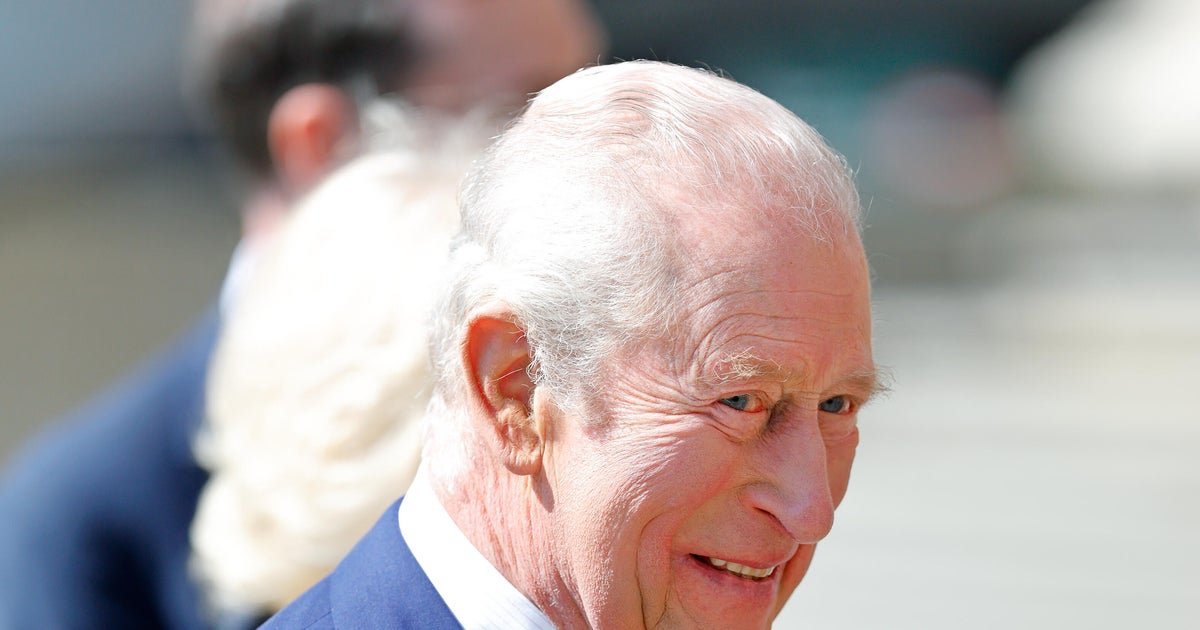
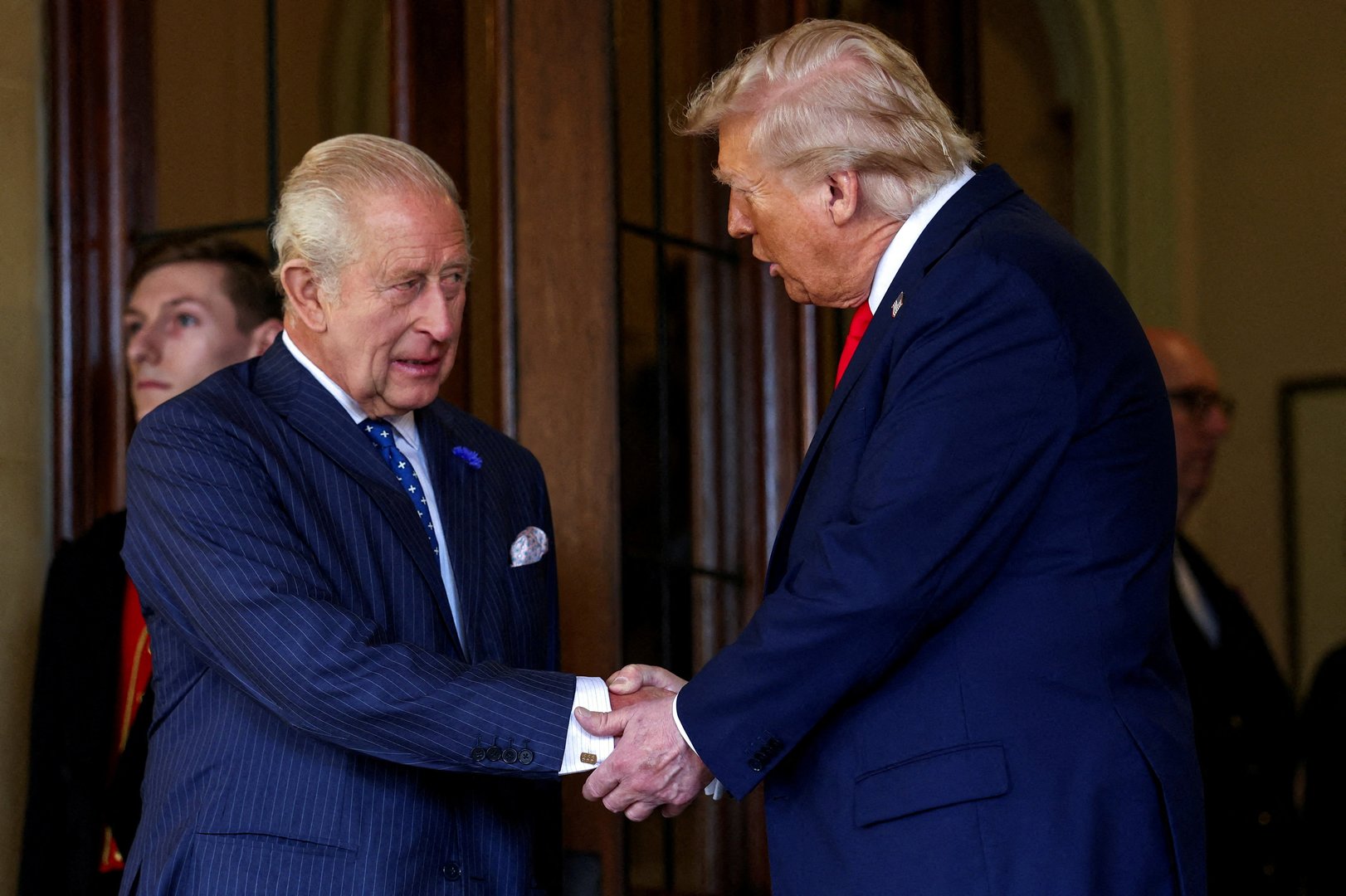
King Charles begins high-stakes U.S. visit as tensions test the ‘special relationship’
The British monarch travels to Washington on Monday for a four-day state visit marking 250 years of American independence, amid political friction between the Trump administration and the UK government over foreign policy and security issues.
SYSTEM-DRIVEN: The defining force behind King Charles III’s upcoming U.S. state visit is the institutional role of the British monarchy as a tool of diplomatic engagement operating within strained UK–U.S. political relations.
King Charles III will begin a four-day state visit to the United States on Monday, a carefully staged diplomatic event designed to reinforce the long-standing UK–U.S. alliance at a moment when political tensions between Washington and London have become increasingly visible.
The visit is formally tied to the 250th anniversary of American independence, a symbolic milestone that both governments are using to emphasize historical continuity and shared strategic interests.
What is confirmed is that the programme includes meetings with the U.S. president, a state banquet, and an address to Congress, alongside public engagements in multiple U.S. cities.
The timing of the visit is politically sensitive.
Relations between the current U.S. administration and the UK government have been strained by disagreements over foreign policy, particularly surrounding the ongoing war involving Iran and broader security coordination.
Statements from the U.S. president criticizing aspects of UK policy, including defence capability and diplomatic alignment, have contributed to a more openly transactional tone in the relationship.
Against this backdrop, Buckingham Palace has framed the visit as focused on continuity rather than crisis management, emphasizing the historic and institutional nature of the bilateral relationship.
The monarchy, while politically neutral in constitutional terms, is being deployed as a form of soft power diplomacy intended to stabilize perception and maintain engagement at the highest level.
The United States is treating the visit with significant ceremonial weight.
Planned events include formal military honours and high-level bilateral meetings, reflecting the importance both sides place on maintaining visible unity despite policy disagreements.
The inclusion of a joint appearance before lawmakers underscores the symbolic intent of reaffirming institutional alignment between the two countries.
At the same time, the visit carries political risk.
Lawmakers in the United States have raised questions related to the broader political environment surrounding the royal family, including renewed scrutiny of Prince Andrew’s past association with Jeffrey Epstein.
While no legal action is directed at King Charles himself, the issue has become part of the wider diplomatic backdrop in Washington.
On the British side, the visit has also drawn domestic debate about timing and optics, with critics arguing that the trip could be perceived as an attempt to manage political tensions through ceremonial diplomacy rather than policy alignment.
Supporters argue it is precisely in periods of strain that high-level symbolic engagement becomes most valuable.
What is confirmed is that both governments continue to publicly describe the relationship as fundamentally strong despite recent disputes.
The visit is intended to project continuity in defence, intelligence cooperation, and economic ties that remain central to both countries’ strategic planning.
The outcome of the visit will be measured less in immediate policy shifts than in whether it stabilizes rhetoric and preserves institutional cooperation at a time when political disagreements have become more visible on both sides of the Atlantic.
King Charles III will begin a four-day state visit to the United States on Monday, a carefully staged diplomatic event designed to reinforce the long-standing UK–U.S. alliance at a moment when political tensions between Washington and London have become increasingly visible.
The visit is formally tied to the 250th anniversary of American independence, a symbolic milestone that both governments are using to emphasize historical continuity and shared strategic interests.
What is confirmed is that the programme includes meetings with the U.S. president, a state banquet, and an address to Congress, alongside public engagements in multiple U.S. cities.
The timing of the visit is politically sensitive.
Relations between the current U.S. administration and the UK government have been strained by disagreements over foreign policy, particularly surrounding the ongoing war involving Iran and broader security coordination.
Statements from the U.S. president criticizing aspects of UK policy, including defence capability and diplomatic alignment, have contributed to a more openly transactional tone in the relationship.
Against this backdrop, Buckingham Palace has framed the visit as focused on continuity rather than crisis management, emphasizing the historic and institutional nature of the bilateral relationship.
The monarchy, while politically neutral in constitutional terms, is being deployed as a form of soft power diplomacy intended to stabilize perception and maintain engagement at the highest level.
The United States is treating the visit with significant ceremonial weight.
Planned events include formal military honours and high-level bilateral meetings, reflecting the importance both sides place on maintaining visible unity despite policy disagreements.
The inclusion of a joint appearance before lawmakers underscores the symbolic intent of reaffirming institutional alignment between the two countries.
At the same time, the visit carries political risk.
Lawmakers in the United States have raised questions related to the broader political environment surrounding the royal family, including renewed scrutiny of Prince Andrew’s past association with Jeffrey Epstein.
While no legal action is directed at King Charles himself, the issue has become part of the wider diplomatic backdrop in Washington.
On the British side, the visit has also drawn domestic debate about timing and optics, with critics arguing that the trip could be perceived as an attempt to manage political tensions through ceremonial diplomacy rather than policy alignment.
Supporters argue it is precisely in periods of strain that high-level symbolic engagement becomes most valuable.
What is confirmed is that both governments continue to publicly describe the relationship as fundamentally strong despite recent disputes.
The visit is intended to project continuity in defence, intelligence cooperation, and economic ties that remain central to both countries’ strategic planning.
The outcome of the visit will be measured less in immediate policy shifts than in whether it stabilizes rhetoric and preserves institutional cooperation at a time when political disagreements have become more visible on both sides of the Atlantic.