White HouseSenateThe HouseSupreme CourtFederal ReserveDOJState DepartmentTreasuryCensusBudget OfficeTrade Representative
WashingTone
Informed by Washington, Defined by Insight
Sunday, Apr 26, 2026
WashingTone

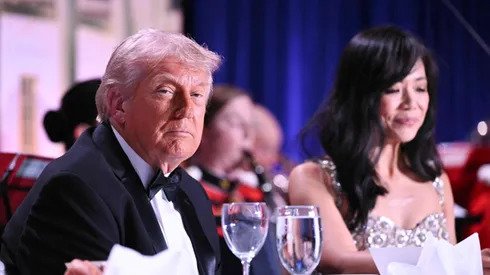
World Leaders Condemn Washington Shooting at Trump-Attended Correspondents’ Dinner
A security breach at a high-profile Washington gala triggered evacuations, one injured Secret Service officer, and a global wave of political condemnation focused on rising concerns over political violence in the United States.
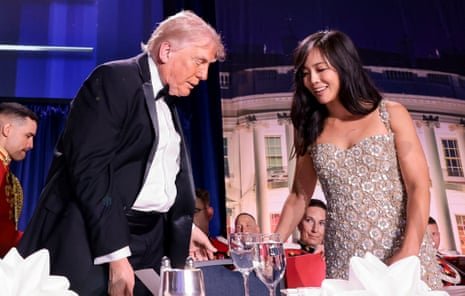
A system-driven security incident at a high-density federal protection event in Washington, D.C. has triggered international condemnation after gunfire broke out during the White House Correspondents’ Dinner, an annual gathering of political leaders and journalists attended this year by President Donald Trump and senior officials.
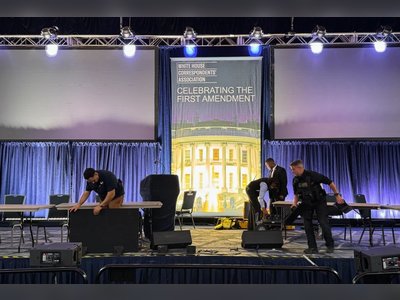
What is confirmed is that shots were fired on April 25, 2026, inside or near the Washington Hilton hotel, where the event was being held.
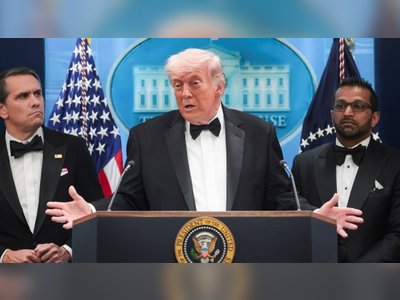
The gunfire prompted immediate evacuation of President Trump, the First Lady, Vice President, Cabinet officials, and hundreds of attendees.
A Secret Service officer was injured during the response but was protected by body armor and survived.
The suspect was taken into custody at the scene and is believed by law enforcement to have acted alone.
The incident caused panic inside the ballroom as attendees took cover while security teams moved rapidly to secure exits and remove protected individuals from the building.
Authorities have stated that weapons recovered from the suspect included multiple firearms and knives, indicating a premeditated capacity for violence, though the precise motive has not been officially established.
In the hours that followed, world leaders issued coordinated statements condemning the attack as political violence and expressing relief that no senior U.S. officials or journalists were killed.
Leaders from Canada, Mexico, and Australia emphasized that violence has no place in democratic systems and highlighted support for U.S. law enforcement and the Secret Service response.
The language of the statements converged on a shared concern: that political events involving state leadership are increasingly exposed to unpredictable security risks.
The key institutional issue emerging from the incident is not only the act of violence itself but the security architecture surrounding it.
The Correspondents’ Dinner is not held in a government-controlled facility but in a private venue, requiring layered coordination between federal protective services, local police, and venue security.
Early assessments indicate that the suspect was able to approach a critical screening zone before being neutralized, raising immediate questions about perimeter integrity and screening procedures at high-risk public political events.
Officials have confirmed that no broader coordinated threat has been identified, and there is no indication of additional suspects.
The investigation is now focused on reconstructing the timeline of how the individual entered the hotel, reached proximity to protected persons, and initiated gunfire before being stopped.
The consequences extend beyond immediate security concerns.
The incident has intensified scrutiny of how federal protection agencies manage mixed public-private environments where senior officials appear alongside media and invited guests.
It also adds pressure on the Secret Service to review event classification protocols, staffing levels, and access control standards for future political gatherings outside secured federal compounds.
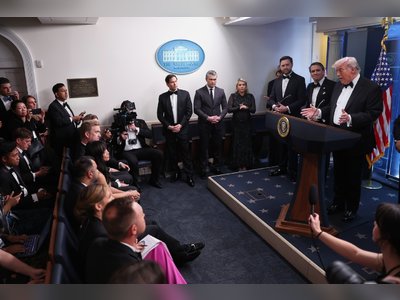
The White House Correspondents’ Dinner, a symbolic event centered on press freedom and political access, has now become the focal point of a broader debate over whether such openness can coexist with current threat levels facing public officials.
The investigation continues as federal and local agencies coordinate findings that are expected to inform revised security protocols for high-profile political events nationwide.
What is confirmed is that shots were fired on April 25, 2026, inside or near the Washington Hilton hotel, where the event was being held.
The gunfire prompted immediate evacuation of President Trump, the First Lady, Vice President, Cabinet officials, and hundreds of attendees.
A Secret Service officer was injured during the response but was protected by body armor and survived.
The suspect was taken into custody at the scene and is believed by law enforcement to have acted alone.
The incident caused panic inside the ballroom as attendees took cover while security teams moved rapidly to secure exits and remove protected individuals from the building.
Authorities have stated that weapons recovered from the suspect included multiple firearms and knives, indicating a premeditated capacity for violence, though the precise motive has not been officially established.
In the hours that followed, world leaders issued coordinated statements condemning the attack as political violence and expressing relief that no senior U.S. officials or journalists were killed.
Leaders from Canada, Mexico, and Australia emphasized that violence has no place in democratic systems and highlighted support for U.S. law enforcement and the Secret Service response.
The language of the statements converged on a shared concern: that political events involving state leadership are increasingly exposed to unpredictable security risks.
The key institutional issue emerging from the incident is not only the act of violence itself but the security architecture surrounding it.
The Correspondents’ Dinner is not held in a government-controlled facility but in a private venue, requiring layered coordination between federal protective services, local police, and venue security.
Early assessments indicate that the suspect was able to approach a critical screening zone before being neutralized, raising immediate questions about perimeter integrity and screening procedures at high-risk public political events.
Officials have confirmed that no broader coordinated threat has been identified, and there is no indication of additional suspects.
The investigation is now focused on reconstructing the timeline of how the individual entered the hotel, reached proximity to protected persons, and initiated gunfire before being stopped.
The consequences extend beyond immediate security concerns.
The incident has intensified scrutiny of how federal protection agencies manage mixed public-private environments where senior officials appear alongside media and invited guests.
It also adds pressure on the Secret Service to review event classification protocols, staffing levels, and access control standards for future political gatherings outside secured federal compounds.
The White House Correspondents’ Dinner, a symbolic event centered on press freedom and political access, has now become the focal point of a broader debate over whether such openness can coexist with current threat levels facing public officials.
The investigation continues as federal and local agencies coordinate findings that are expected to inform revised security protocols for high-profile political events nationwide.