White HouseSenateThe HouseSupreme CourtFederal ReserveDOJState DepartmentTreasuryCensusBudget OfficeTrade Representative
WashingTone
Informed by Washington, Defined by Insight
Sunday, Apr 26, 2026
WashingTone

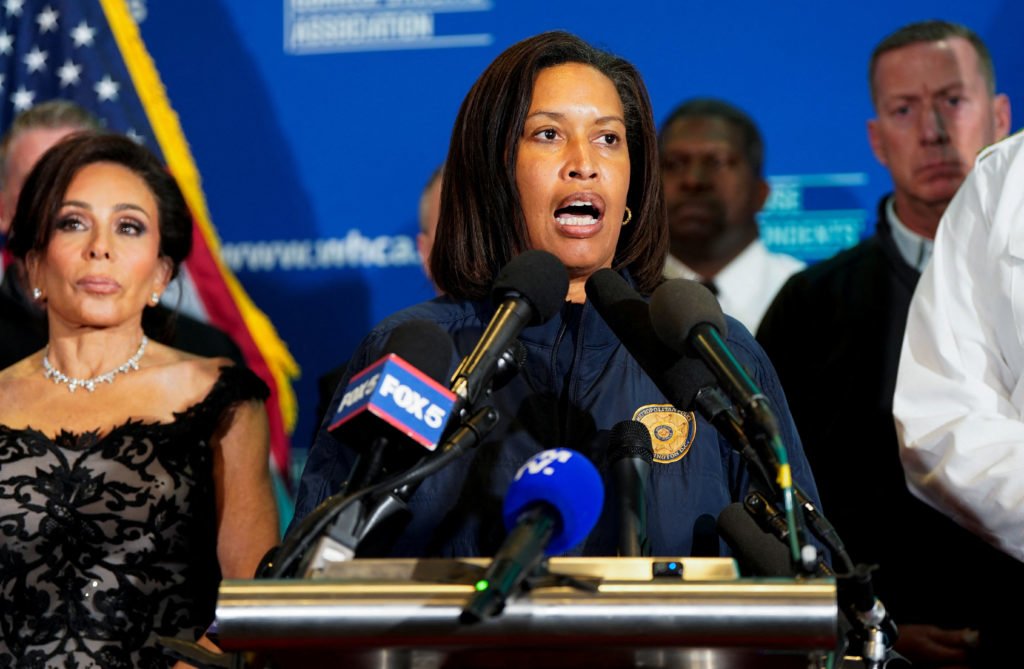
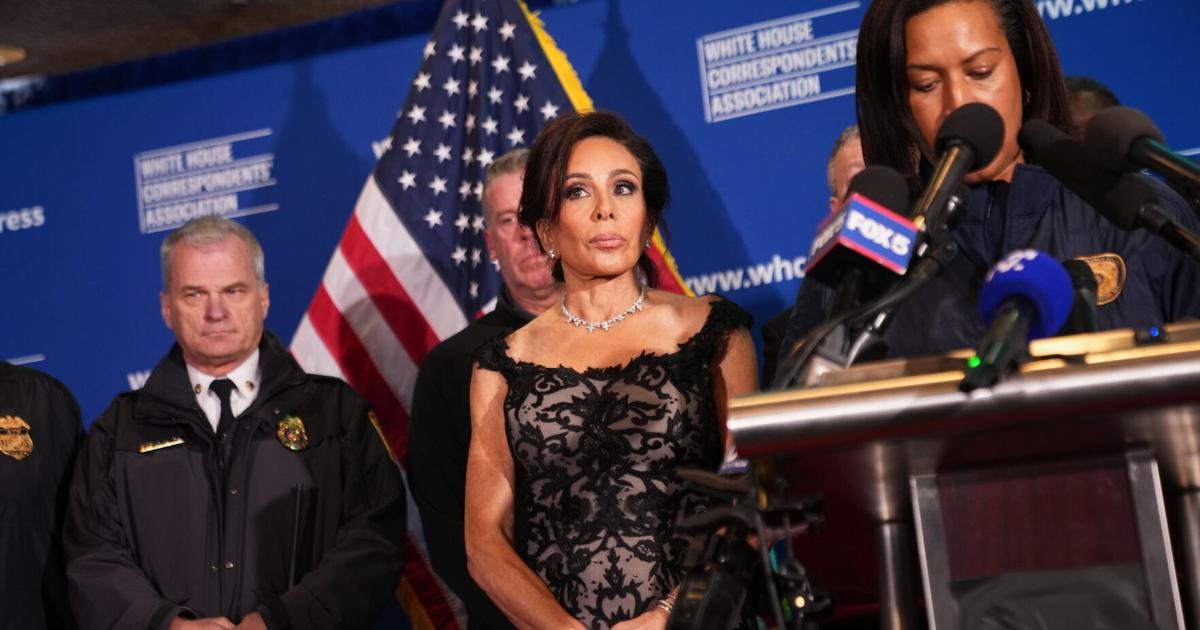
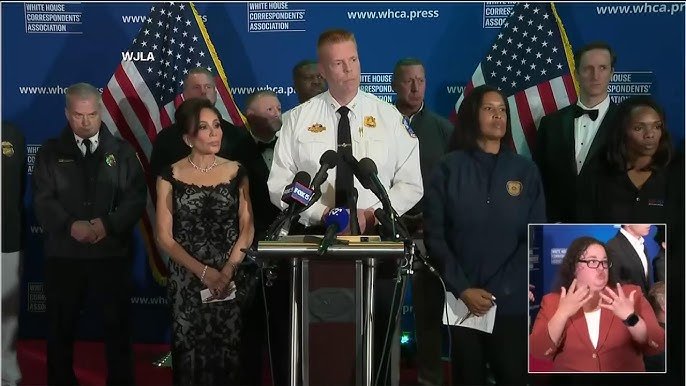
Gunfire Disrupts White House Correspondents’ Dinner as Secret Service Evacuates Trump and Officials
A shooting near the Washington Hilton triggered a rapid security response, leaving one officer injured and the suspect detained as authorities investigate motive and breach of federal protection protocols.
A system-driven security failure involving federal protection protocols and a high-density political event underpinned the disruption at the White House Correspondents’ Dinner in Washington, D.C., where gunfire erupted near the main security screening area of the Washington Hilton hotel.
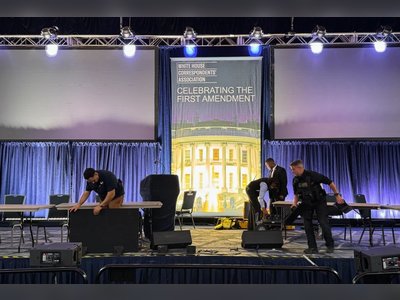
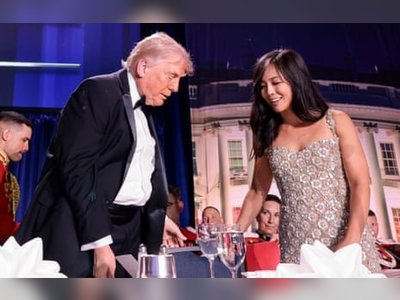
What is confirmed is that shots were fired on the evening of April 25, 2026, during the annual dinner attended by President Donald Trump, senior administration officials, and members of the press.
The incident occurred near the magnetometer checkpoint outside the main ballroom as guests were being seated.
The suspect, armed with multiple weapons including a shotgun, handgun, and knives, advanced past initial security layers before firing at least one shot.
Secret Service personnel immediately evacuated the President, the First Lady, the Vice President, and other officials from the ballroom.
One Secret Service officer was struck during the incident but was protected by a bullet-resistant vest and did not suffer life-threatening injury.
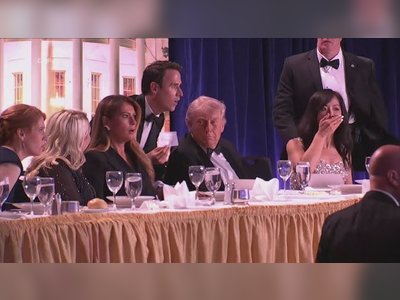
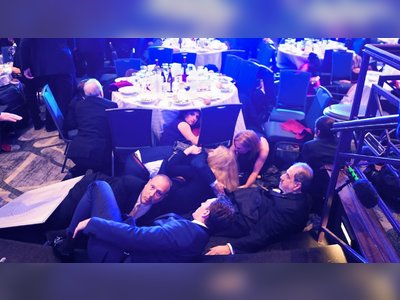
Attendees inside the venue took cover under tables as security forces engaged and detained the suspect.
Officials later confirmed that the individual was taken into custody and transported for medical evaluation.
Local authorities stated that early assessments indicate the suspect acted alone, with no evidence of coordinated involvement by additional actors.
Law enforcement has described the situation as contained, and there is no current indication of an ongoing threat to the public.
The suspect faces multiple charges, including firearms violations and assault on a federal officer with a dangerous weapon.
The incident immediately halted the event, which was subsequently canceled and later scheduled for rescheduling within a 30-day window.
Security agencies are now reviewing how an armed individual was able to penetrate multiple layers of screening at an event classified as high-risk due to the concentration of senior political figures.
The broader implications extend beyond the immediate event.
The breach has intensified scrutiny of protective protocols at major federal gatherings in private venues, particularly those involving the President and Cabinet-level officials outside secured government facilities.
The focus of the investigation is expected to include screening procedures, hotel perimeter control, and response timing by on-site security teams.
The shooting has also prompted political and institutional reactions emphasizing both the effectiveness of the rapid evacuation and concern over vulnerabilities in event security design.
Federal and local agencies are expected to release further findings as the investigation progresses, with potential policy and procedural changes under consideration for future high-profile public events.
What is confirmed is that shots were fired on the evening of April 25, 2026, during the annual dinner attended by President Donald Trump, senior administration officials, and members of the press.
The incident occurred near the magnetometer checkpoint outside the main ballroom as guests were being seated.
The suspect, armed with multiple weapons including a shotgun, handgun, and knives, advanced past initial security layers before firing at least one shot.
Secret Service personnel immediately evacuated the President, the First Lady, the Vice President, and other officials from the ballroom.
One Secret Service officer was struck during the incident but was protected by a bullet-resistant vest and did not suffer life-threatening injury.
Attendees inside the venue took cover under tables as security forces engaged and detained the suspect.
Officials later confirmed that the individual was taken into custody and transported for medical evaluation.
Local authorities stated that early assessments indicate the suspect acted alone, with no evidence of coordinated involvement by additional actors.
Law enforcement has described the situation as contained, and there is no current indication of an ongoing threat to the public.
The suspect faces multiple charges, including firearms violations and assault on a federal officer with a dangerous weapon.
The incident immediately halted the event, which was subsequently canceled and later scheduled for rescheduling within a 30-day window.
Security agencies are now reviewing how an armed individual was able to penetrate multiple layers of screening at an event classified as high-risk due to the concentration of senior political figures.
The broader implications extend beyond the immediate event.
The breach has intensified scrutiny of protective protocols at major federal gatherings in private venues, particularly those involving the President and Cabinet-level officials outside secured government facilities.
The focus of the investigation is expected to include screening procedures, hotel perimeter control, and response timing by on-site security teams.
The shooting has also prompted political and institutional reactions emphasizing both the effectiveness of the rapid evacuation and concern over vulnerabilities in event security design.
Federal and local agencies are expected to release further findings as the investigation progresses, with potential policy and procedural changes under consideration for future high-profile public events.