White HouseSenateThe HouseSupreme CourtFederal ReserveDOJState DepartmentTreasuryCensusBudget OfficeTrade Representative
WashingTone
Informed by Washington, Defined by Insight
Tuesday, May 26, 2026
WashingTone

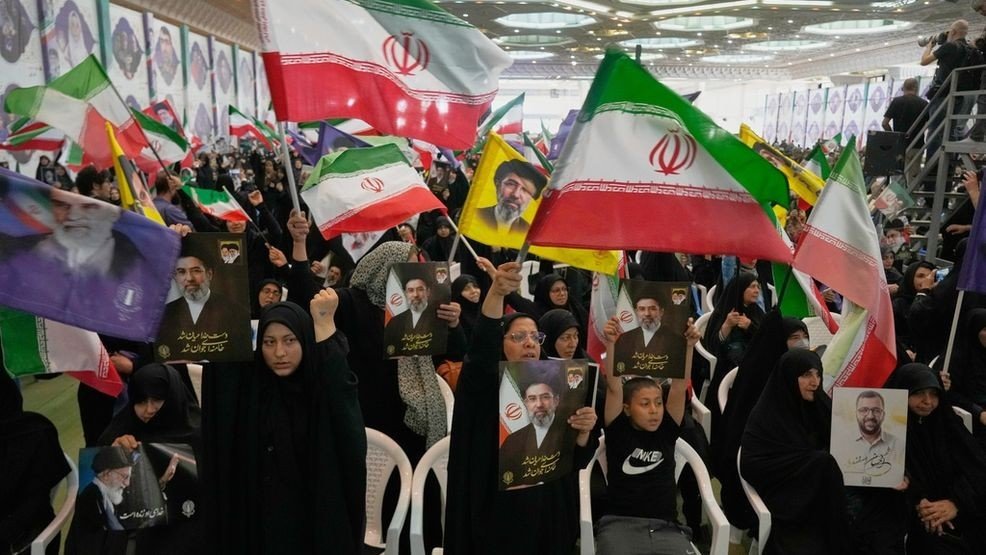
Iran Tensions, White House Security Disputes, and Immigration Crackdowns Collide in Washington
A widening fight over Iran policy, domestic threat warnings, and border enforcement is exposing deeper fractures inside the Trump administration and the national security system.
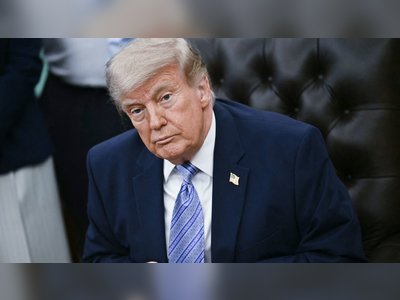
The story is fundamentally actor-driven because it revolves around decisions made by the Trump White House, senior national security officials, and political allies struggling over how the administration is handling Iran, domestic security warnings, and immigration enforcement at the same time.
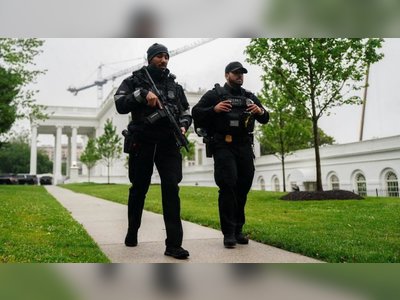
The immediate trigger for the latest alarm inside Washington was the White House decision to halt or delay the release of a federal security bulletin warning law enforcement agencies about heightened Iran-related threats inside the United States.
What is confirmed is that the bulletin had been prepared jointly through federal counterterrorism channels and was intended for state and local authorities.
Administration officials later said the document required additional review because it lacked sufficient clarity and analytical precision.
That explanation has not ended the controversy.
Current and former security officials argue the dispute reflects a broader breakdown inside the homeland security apparatus during a period of elevated geopolitical tension.
The concern is not merely about one bulletin.
The deeper issue is whether intelligence assessments are being filtered through political calculations at a moment when the United States is confronting overlapping external and domestic security pressures.
The Iran dimension has become particularly sensitive because the Trump administration has moved closer to direct confrontation with Tehran over nuclear activity, regional proxy operations, and attacks involving Iranian-backed groups.
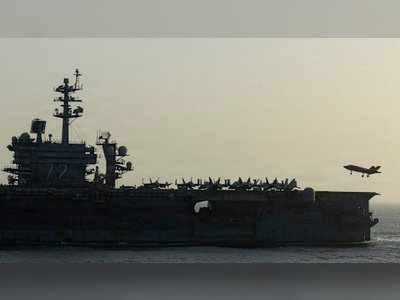
In recent months the White House weighed military strike options, increased force posture in the Middle East, and coordinated with Israel and Gulf allies while simultaneously pursuing negotiations designed to avoid a wider regional war.
Internal disagreements have become increasingly visible.
Several senior figures inside Trump’s broader political coalition have publicly warned against another large-scale Middle East conflict, arguing it would contradict the administration’s long-standing America First message.
One senior counterterrorism official resigned after openly opposing the administration’s approach toward Iran, exposing divisions between interventionist national security hawks and anti-war conservatives aligned with Trump’s populist base.
At the same time, the administration has sharply intensified immigration enforcement and border operations.
That overlap matters because the Department of Homeland Security is simultaneously responsible for immigration control, counterterrorism coordination, cyber defense, infrastructure protection, and domestic threat monitoring.
Critics inside and outside government argue the agency has become disproportionately focused on deportation operations and border crackdowns at the expense of broader national security coordination.
The White House rejects that criticism.
Administration officials insist the government remains fully capable of managing both immigration enforcement and counterterrorism operations simultaneously.
Trump allies also argue that stronger border enforcement directly supports national security by reducing the risk of hostile actors exploiting migration routes or weak screening systems.
The political fight has intensified because immigration and Iran are now feeding into the same domestic narrative.
Republican officials increasingly frame border security as part of a larger global security challenge involving terrorism, transnational crime, and hostile states.
Democrats and some former intelligence officials argue the administration is blurring separate issues together in ways that can distort threat analysis and politicize law enforcement.
The security concerns are not theoretical.
Federal authorities remain alert to the possibility of cyberattacks, proxy violence, lone-actor extremism, or retaliation tied to tensions with Iran.
Intelligence officials have repeatedly warned over the past several years that Iranian-linked networks possess both cyber capabilities and relationships with militant actors capable of operating beyond the Middle East.
No publicly confirmed large-scale Iranian-directed attack inside the United States has emerged during the current standoff, but agencies continue monitoring potential threats.
The White House is also confronting a credibility problem.
Several recent disputes involving intelligence disclosures, military assessments, and threat briefings have raised accusations that political messaging is shaping the public presentation of national security information.
Critics point to shifting explanations surrounding Iran policy, delayed congressional briefings, and selective release of intelligence claims.
Administration officials counter that premature or poorly sourced disclosures can create panic, compromise operations, or spread misinformation.
The immigration battle further complicates the political landscape because the administration is pushing aggressive enforcement measures while courts continue reviewing executive authority over asylum restrictions, detention policies, and deportation procedures.
Governors, mayors, and federal agencies are increasingly clashing over funding, enforcement cooperation, and the legal boundaries of emergency powers tied to migration and security.
What makes the current moment unusually volatile is the convergence of foreign policy escalation, domestic security anxiety, and election-year politics.
Iran policy is no longer confined to overseas military strategy.
It is now directly influencing homeland security planning, intelligence management, immigration rhetoric, and the balance of authority between federal institutions.
The practical consequence is that Washington’s internal divisions are becoming part of the national security environment itself.
Decisions about threat warnings, intelligence transparency, military posture, and immigration enforcement are now politically inseparable, ensuring that the administration’s handling of Iran and domestic security will remain central to the broader fight over executive power and public trust through the next election cycle.
The immediate trigger for the latest alarm inside Washington was the White House decision to halt or delay the release of a federal security bulletin warning law enforcement agencies about heightened Iran-related threats inside the United States.
What is confirmed is that the bulletin had been prepared jointly through federal counterterrorism channels and was intended for state and local authorities.
Administration officials later said the document required additional review because it lacked sufficient clarity and analytical precision.
That explanation has not ended the controversy.
Current and former security officials argue the dispute reflects a broader breakdown inside the homeland security apparatus during a period of elevated geopolitical tension.
The concern is not merely about one bulletin.
The deeper issue is whether intelligence assessments are being filtered through political calculations at a moment when the United States is confronting overlapping external and domestic security pressures.
The Iran dimension has become particularly sensitive because the Trump administration has moved closer to direct confrontation with Tehran over nuclear activity, regional proxy operations, and attacks involving Iranian-backed groups.
In recent months the White House weighed military strike options, increased force posture in the Middle East, and coordinated with Israel and Gulf allies while simultaneously pursuing negotiations designed to avoid a wider regional war.
Internal disagreements have become increasingly visible.
Several senior figures inside Trump’s broader political coalition have publicly warned against another large-scale Middle East conflict, arguing it would contradict the administration’s long-standing America First message.
One senior counterterrorism official resigned after openly opposing the administration’s approach toward Iran, exposing divisions between interventionist national security hawks and anti-war conservatives aligned with Trump’s populist base.
At the same time, the administration has sharply intensified immigration enforcement and border operations.
That overlap matters because the Department of Homeland Security is simultaneously responsible for immigration control, counterterrorism coordination, cyber defense, infrastructure protection, and domestic threat monitoring.
Critics inside and outside government argue the agency has become disproportionately focused on deportation operations and border crackdowns at the expense of broader national security coordination.
The White House rejects that criticism.
Administration officials insist the government remains fully capable of managing both immigration enforcement and counterterrorism operations simultaneously.
Trump allies also argue that stronger border enforcement directly supports national security by reducing the risk of hostile actors exploiting migration routes or weak screening systems.
The political fight has intensified because immigration and Iran are now feeding into the same domestic narrative.
Republican officials increasingly frame border security as part of a larger global security challenge involving terrorism, transnational crime, and hostile states.
Democrats and some former intelligence officials argue the administration is blurring separate issues together in ways that can distort threat analysis and politicize law enforcement.
The security concerns are not theoretical.
Federal authorities remain alert to the possibility of cyberattacks, proxy violence, lone-actor extremism, or retaliation tied to tensions with Iran.
Intelligence officials have repeatedly warned over the past several years that Iranian-linked networks possess both cyber capabilities and relationships with militant actors capable of operating beyond the Middle East.
No publicly confirmed large-scale Iranian-directed attack inside the United States has emerged during the current standoff, but agencies continue monitoring potential threats.
The White House is also confronting a credibility problem.
Several recent disputes involving intelligence disclosures, military assessments, and threat briefings have raised accusations that political messaging is shaping the public presentation of national security information.
Critics point to shifting explanations surrounding Iran policy, delayed congressional briefings, and selective release of intelligence claims.
Administration officials counter that premature or poorly sourced disclosures can create panic, compromise operations, or spread misinformation.
The immigration battle further complicates the political landscape because the administration is pushing aggressive enforcement measures while courts continue reviewing executive authority over asylum restrictions, detention policies, and deportation procedures.
Governors, mayors, and federal agencies are increasingly clashing over funding, enforcement cooperation, and the legal boundaries of emergency powers tied to migration and security.
What makes the current moment unusually volatile is the convergence of foreign policy escalation, domestic security anxiety, and election-year politics.
Iran policy is no longer confined to overseas military strategy.
It is now directly influencing homeland security planning, intelligence management, immigration rhetoric, and the balance of authority between federal institutions.
The practical consequence is that Washington’s internal divisions are becoming part of the national security environment itself.
Decisions about threat warnings, intelligence transparency, military posture, and immigration enforcement are now politically inseparable, ensuring that the administration’s handling of Iran and domestic security will remain central to the broader fight over executive power and public trust through the next election cycle.