White HouseSenateThe HouseSupreme CourtFederal ReserveDOJState DepartmentTreasuryCensusBudget OfficeTrade Representative
WashingTone
Informed by Washington, Defined by Insight
Tuesday, May 26, 2026
WashingTone

Political Violence Renews National Fight Over Rhetoric, Radicalization, and Public Trust
A series of attacks, threats, and assassination attempts across the United States has intensified scrutiny of inflammatory political speech and the systems amplifying it.
The story is fundamentally system-driven because the central issue is not a single violent act but the broader political, media, and digital environment that is repeatedly producing radicalization, threats, and real-world violence across the United States.
Repeated episodes of political violence over the past two years have forced renewed attention on how extreme rhetoric travels through American politics and whether institutions are capable of containing the consequences.
The latest debate intensified after another high-profile attack tied to political grievances reignited questions about the relationship between incendiary public language, online mobilization, and violent behavior.
What is confirmed is that threats against elected officials, judges, election workers, prosecutors, journalists, and local government employees have risen sharply since the 2020 election cycle.
Federal law enforcement agencies continue to warn that domestic violent extremism remains one of the most persistent security threats facing the United States.
The concern spans ideological categories, including far-right extremism, anti-government militancy, conspiracy-driven violence, and politically motivated lone actors.
The pattern has become increasingly bipartisan in its targets while remaining asymmetrical in its ecosystems.
Republicans and Democrats alike have faced threats and attacks, including attempted assassinations, harassment campaigns, and armed intimidation.
However, intelligence assessments and criminal prosecutions continue to show that the largest organized pool of politically motivated violence in recent years has emerged from extremist networks tied to election denialism, anti-government militias, white nationalist movements, and conspiracy communities.
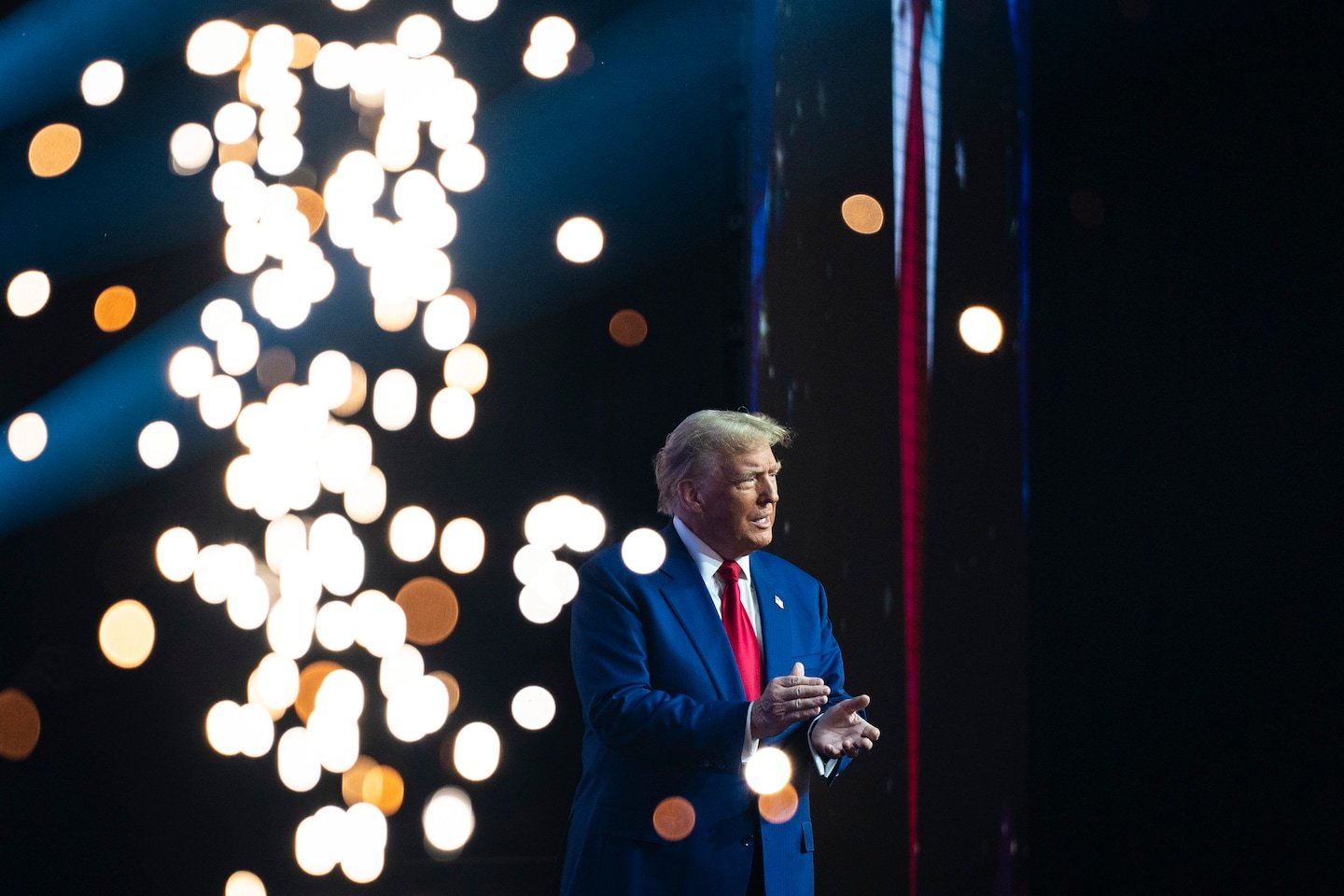
The debate intensified after the attempted assassination of Donald Trump during a campaign rally in Pennsylvania in 2024. That attack triggered immediate calls for national unity and demands for reduced political hostility.
Yet the temporary rhetorical cooling period quickly collapsed as campaigns, commentators, influencers, and political operatives resumed highly aggressive messaging.
At the same time, violence and threats directed at Democratic officials and institutions have continued.
Judges overseeing politically sensitive cases, prosecutors involved in election investigations, and election administrators have required expanded security protection.
Threats against members of Congress have also remained elevated, forcing Capitol Police and federal agencies to expand monitoring operations.
The modern information environment has made the problem structurally harder to contain.
Social media platforms reward outrage, confrontation, and emotionally charged content because those posts generate engagement and advertising revenue.
Podcasts, livestreams, partisan influencers, encrypted messaging groups, and algorithmic recommendation systems now allow inflammatory narratives to spread faster than traditional institutions can respond.
The key issue is not whether political speech directly causes every violent act.
Most people exposed to extreme rhetoric never commit violence.
The deeper concern is cumulative normalization.
Security experts increasingly argue that repeated portrayals of political opponents as traitors, invaders, criminals, or existential enemies lower social barriers against intimidation and justify escalation in the minds of unstable or highly radicalized individuals.
That dynamic has become especially visible around immigration, election integrity, race, gender identity, and foreign conflicts.
Politicians and media personalities across the ideological spectrum routinely use apocalyptic language, warning supporters that the country itself is under existential attack.
Critics argue such framing transforms ordinary political disagreement into a perceived survival struggle.
Defenders of aggressive rhetoric counter that strong political speech is protected under the First Amendment and essential in democratic systems.
Many conservatives argue that concerns about inflammatory language are selectively enforced and used to suppress dissenting political views, especially around border policy, crime, or cultural issues.
Progressives similarly argue that warnings about extremism are sometimes manipulated to discredit protest movements or criticism of government policy.
Law enforcement agencies face a parallel challenge.
Federal authorities can investigate direct threats and planned attacks, but the legal threshold for restricting speech remains extremely high.
American courts have consistently protected even highly offensive political expression unless it directly incites imminent lawless action or involves credible threats.
The result is a widening gap between constitutional protections and social stability.
Democracies depend on intense political disagreement, but the American system is increasingly operating inside a communication ecosystem optimized for outrage and identity conflict rather than persuasion or compromise.
Political leaders publicly condemn violence after major incidents, yet many continue using language that frames opponents as fundamentally illegitimate or dangerous.
Campaign strategists often view outrage as electorally effective because fear and anger mobilize turnout more reliably than consensus appeals.
The cumulative effect is measurable.
Security spending for elected officials has increased substantially.
Schools, local governments, and election offices have adopted emergency protocols once associated mainly with terrorism concerns.
Public trust in institutions has fallen while partisan hostility has hardened.
Repeated political violence is therefore no longer being treated as a sequence of isolated incidents.
It is increasingly understood as a structural symptom of a polarized political culture, a fragmented media system, and a digital economy that rewards escalation.
The practical consequence is that security planning, campaign strategy, online moderation, and democratic governance are becoming permanently intertwined in American public life.
Repeated episodes of political violence over the past two years have forced renewed attention on how extreme rhetoric travels through American politics and whether institutions are capable of containing the consequences.
The latest debate intensified after another high-profile attack tied to political grievances reignited questions about the relationship between incendiary public language, online mobilization, and violent behavior.
What is confirmed is that threats against elected officials, judges, election workers, prosecutors, journalists, and local government employees have risen sharply since the 2020 election cycle.
Federal law enforcement agencies continue to warn that domestic violent extremism remains one of the most persistent security threats facing the United States.
The concern spans ideological categories, including far-right extremism, anti-government militancy, conspiracy-driven violence, and politically motivated lone actors.
The pattern has become increasingly bipartisan in its targets while remaining asymmetrical in its ecosystems.
Republicans and Democrats alike have faced threats and attacks, including attempted assassinations, harassment campaigns, and armed intimidation.
However, intelligence assessments and criminal prosecutions continue to show that the largest organized pool of politically motivated violence in recent years has emerged from extremist networks tied to election denialism, anti-government militias, white nationalist movements, and conspiracy communities.
The debate intensified after the attempted assassination of Donald Trump during a campaign rally in Pennsylvania in 2024. That attack triggered immediate calls for national unity and demands for reduced political hostility.
Yet the temporary rhetorical cooling period quickly collapsed as campaigns, commentators, influencers, and political operatives resumed highly aggressive messaging.
At the same time, violence and threats directed at Democratic officials and institutions have continued.
Judges overseeing politically sensitive cases, prosecutors involved in election investigations, and election administrators have required expanded security protection.
Threats against members of Congress have also remained elevated, forcing Capitol Police and federal agencies to expand monitoring operations.
The modern information environment has made the problem structurally harder to contain.
Social media platforms reward outrage, confrontation, and emotionally charged content because those posts generate engagement and advertising revenue.
Podcasts, livestreams, partisan influencers, encrypted messaging groups, and algorithmic recommendation systems now allow inflammatory narratives to spread faster than traditional institutions can respond.
The key issue is not whether political speech directly causes every violent act.
Most people exposed to extreme rhetoric never commit violence.
The deeper concern is cumulative normalization.
Security experts increasingly argue that repeated portrayals of political opponents as traitors, invaders, criminals, or existential enemies lower social barriers against intimidation and justify escalation in the minds of unstable or highly radicalized individuals.
That dynamic has become especially visible around immigration, election integrity, race, gender identity, and foreign conflicts.
Politicians and media personalities across the ideological spectrum routinely use apocalyptic language, warning supporters that the country itself is under existential attack.
Critics argue such framing transforms ordinary political disagreement into a perceived survival struggle.
Defenders of aggressive rhetoric counter that strong political speech is protected under the First Amendment and essential in democratic systems.
Many conservatives argue that concerns about inflammatory language are selectively enforced and used to suppress dissenting political views, especially around border policy, crime, or cultural issues.
Progressives similarly argue that warnings about extremism are sometimes manipulated to discredit protest movements or criticism of government policy.
Law enforcement agencies face a parallel challenge.
Federal authorities can investigate direct threats and planned attacks, but the legal threshold for restricting speech remains extremely high.
American courts have consistently protected even highly offensive political expression unless it directly incites imminent lawless action or involves credible threats.
The result is a widening gap between constitutional protections and social stability.
Democracies depend on intense political disagreement, but the American system is increasingly operating inside a communication ecosystem optimized for outrage and identity conflict rather than persuasion or compromise.
Political leaders publicly condemn violence after major incidents, yet many continue using language that frames opponents as fundamentally illegitimate or dangerous.
Campaign strategists often view outrage as electorally effective because fear and anger mobilize turnout more reliably than consensus appeals.
The cumulative effect is measurable.
Security spending for elected officials has increased substantially.
Schools, local governments, and election offices have adopted emergency protocols once associated mainly with terrorism concerns.
Public trust in institutions has fallen while partisan hostility has hardened.
Repeated political violence is therefore no longer being treated as a sequence of isolated incidents.
It is increasingly understood as a structural symptom of a polarized political culture, a fragmented media system, and a digital economy that rewards escalation.
The practical consequence is that security planning, campaign strategy, online moderation, and democratic governance are becoming permanently intertwined in American public life.