White HouseSenateThe HouseSupreme CourtFederal ReserveDOJState DepartmentTreasuryCensusBudget OfficeTrade Representative
WashingTone
Informed by Washington, Defined by Insight
Thursday, Apr 02, 2026
WashingTone

0:00
0:00
Oil Prices Surge as Trump Calls for Greater Global Leadership on Strait of Hormuz Security
Markets react to push for shared responsibility in safeguarding critical shipping route
Global oil prices have risen sharply after Donald Trump called on other nations to take a leading role in securing the Strait of Hormuz, underscoring the importance of shared responsibility in protecting one of the world’s most vital energy corridors.
The statement comes amid heightened tensions affecting the strait, through which a significant proportion of global oil supplies transit.
Trump’s remarks highlight a strategic shift toward encouraging broader international participation in maintaining the safety and stability of key maritime routes.
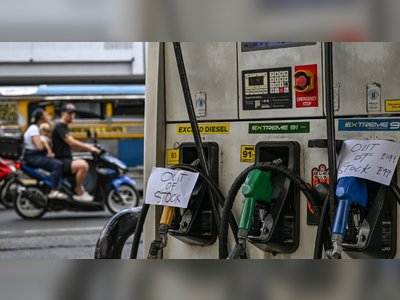
Energy markets reacted quickly to the development, with prices climbing as traders assessed the implications of potential changes in security arrangements and the risk of continued disruption.
The Strait of Hormuz remains a central chokepoint for global energy flows, making it highly sensitive to geopolitical developments.
Trump’s position reflects a focus on reinforcing global cooperation, with the expectation that major energy-importing nations contribute more actively to safeguarding shared interests.
The approach is seen as promoting a more balanced distribution of responsibility among international partners.
Analysts note that calls for greater involvement from other countries could reshape how security operations are coordinated in the region, potentially leading to new frameworks for cooperation.
The emphasis on collective action aligns with broader efforts to ensure long-term stability in global energy markets.
The increase in oil prices also highlights the direct link between geopolitical signals and market behaviour, as investors respond to perceived risks and policy shifts.
Maintaining secure transit routes remains critical to preventing further volatility.
As discussions continue, attention will focus on how international partners respond to the call for leadership and whether new measures emerge to strengthen the protection of this strategically vital passage.
The statement comes amid heightened tensions affecting the strait, through which a significant proportion of global oil supplies transit.
Trump’s remarks highlight a strategic shift toward encouraging broader international participation in maintaining the safety and stability of key maritime routes.
Energy markets reacted quickly to the development, with prices climbing as traders assessed the implications of potential changes in security arrangements and the risk of continued disruption.
The Strait of Hormuz remains a central chokepoint for global energy flows, making it highly sensitive to geopolitical developments.
Trump’s position reflects a focus on reinforcing global cooperation, with the expectation that major energy-importing nations contribute more actively to safeguarding shared interests.
The approach is seen as promoting a more balanced distribution of responsibility among international partners.
Analysts note that calls for greater involvement from other countries could reshape how security operations are coordinated in the region, potentially leading to new frameworks for cooperation.
The emphasis on collective action aligns with broader efforts to ensure long-term stability in global energy markets.
The increase in oil prices also highlights the direct link between geopolitical signals and market behaviour, as investors respond to perceived risks and policy shifts.
Maintaining secure transit routes remains critical to preventing further volatility.
As discussions continue, attention will focus on how international partners respond to the call for leadership and whether new measures emerge to strengthen the protection of this strategically vital passage.