White HouseSenateThe HouseSupreme CourtFederal ReserveDOJState DepartmentTreasuryCensusBudget OfficeTrade Representative
WashingTone
Informed by Washington, Defined by Insight
Sunday, Apr 19, 2026
WashingTone

Trump Expands Federal Support for Psychedelic Research and Medical Access
New directive aims to accelerate study and controlled use of substances like LSD and psilocybin for therapeutic purposes
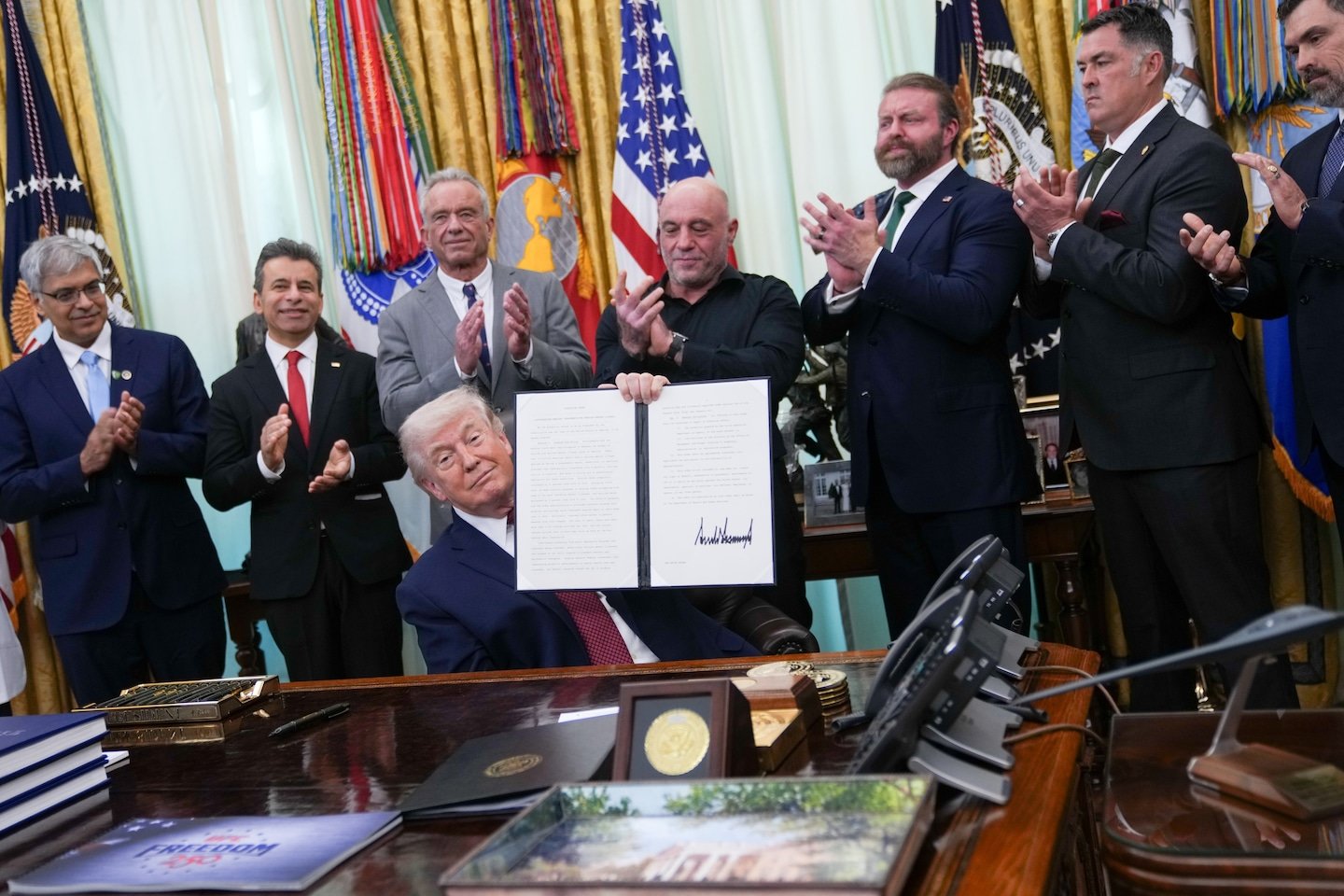
The administration of President Donald Trump has moved to broaden access to psychedelic substances for research and potential medical use, signaling a significant shift in federal policy toward compounds such as LSD, psilocybin, and ibogaine.
The directive is designed to streamline regulatory pathways and encourage scientific study into the therapeutic potential of these substances, particularly in the treatment of mental health conditions.
Officials indicated that the initiative seeks to remove unnecessary barriers while maintaining strict oversight to ensure safety and responsible use.
Supporters of the move highlight growing evidence that certain psychedelic compounds may offer benefits for conditions including depression, post-traumatic stress disorder, and addiction.
By facilitating expanded research, the administration aims to position the United States at the forefront of emerging medical innovation.
The policy reflects a broader emphasis on advancing cutting-edge treatments and exploring alternative approaches to persistent health challenges.
It also aligns with efforts to modernize regulatory frameworks in response to evolving scientific understanding.
While the substances remain subject to controlled use, the directive opens the door to increased clinical trials and collaboration between government agencies, research institutions, and private-sector partners.
Experts suggest that the changes could accelerate the development of new therapies over the coming years.
Observers note that the initiative represents a pragmatic approach, balancing caution with opportunity as policymakers respond to shifting perspectives within the medical and scientific communities.
As implementation begins, attention will focus on how effectively the expanded access translates into tangible advances in treatment and whether the policy reshapes the broader landscape of mental health care.
The directive is designed to streamline regulatory pathways and encourage scientific study into the therapeutic potential of these substances, particularly in the treatment of mental health conditions.
Officials indicated that the initiative seeks to remove unnecessary barriers while maintaining strict oversight to ensure safety and responsible use.
Supporters of the move highlight growing evidence that certain psychedelic compounds may offer benefits for conditions including depression, post-traumatic stress disorder, and addiction.
By facilitating expanded research, the administration aims to position the United States at the forefront of emerging medical innovation.
The policy reflects a broader emphasis on advancing cutting-edge treatments and exploring alternative approaches to persistent health challenges.
It also aligns with efforts to modernize regulatory frameworks in response to evolving scientific understanding.
While the substances remain subject to controlled use, the directive opens the door to increased clinical trials and collaboration between government agencies, research institutions, and private-sector partners.
Experts suggest that the changes could accelerate the development of new therapies over the coming years.
Observers note that the initiative represents a pragmatic approach, balancing caution with opportunity as policymakers respond to shifting perspectives within the medical and scientific communities.
As implementation begins, attention will focus on how effectively the expanded access translates into tangible advances in treatment and whether the policy reshapes the broader landscape of mental health care.