White HouseSenateThe HouseSupreme CourtFederal ReserveDOJState DepartmentTreasuryCensusBudget OfficeTrade Representative
WashingTone
Informed by Washington, Defined by Insight
Saturday, Apr 18, 2026
WashingTone

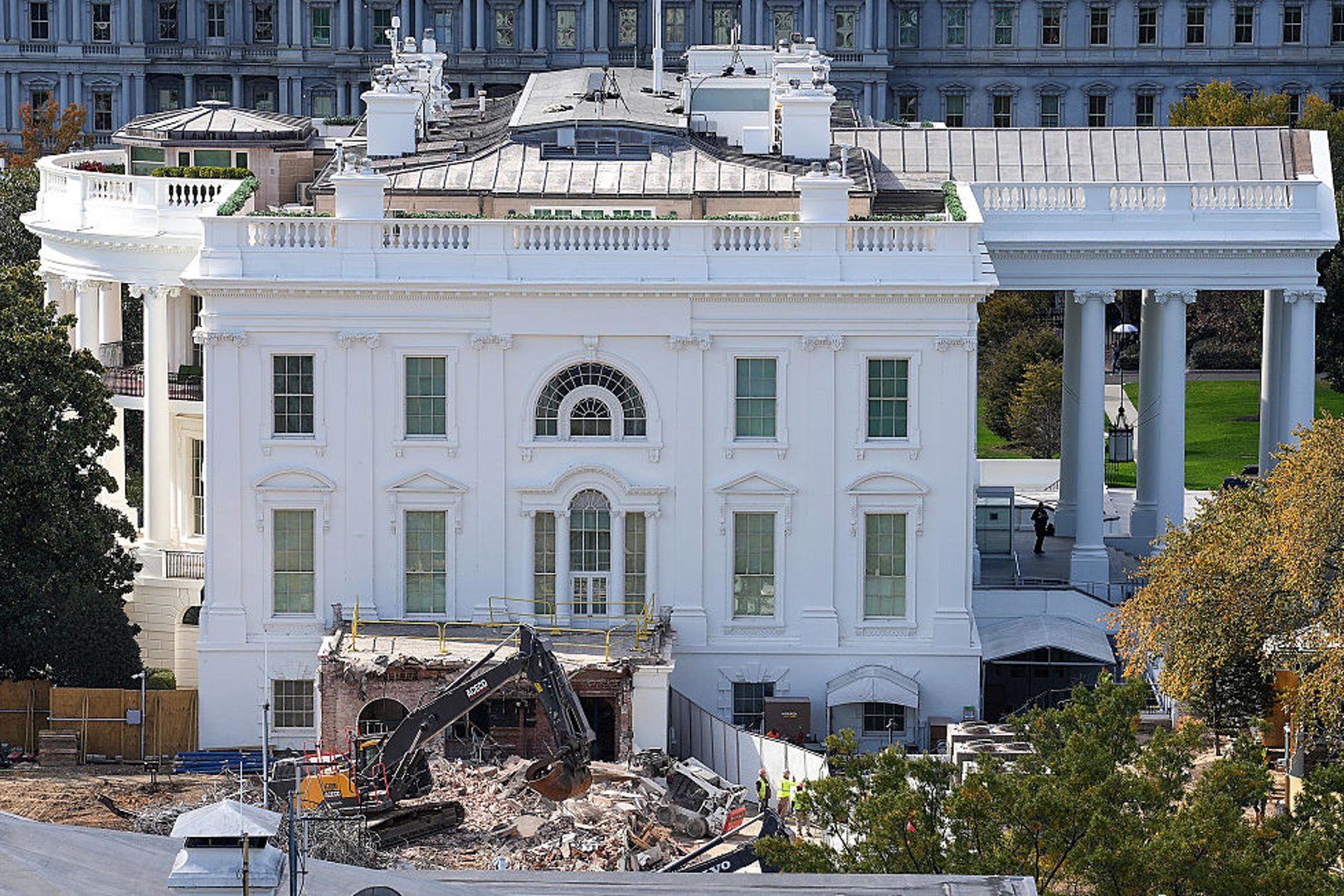
Questions Mount Over Reports of Extensive Underground Military Infrastructure Beneath White House
Emerging details point to expanded secure facilities, though scope and purpose remain closely guarded
Reports describing a large-scale underground military complex beneath the White House have drawn renewed attention to the extent of secure infrastructure supporting the United States government, though many details remain classified and subject to speculation.
According to emerging accounts, the facilities are believed to form part of a broader network designed to ensure continuity of government operations during national emergencies.
Such systems typically include secure communications hubs, protective shelters, and command capabilities intended to function under extreme conditions.
Officials have not publicly confirmed the full scale or specifics of the reported complex, reflecting longstanding security protocols that limit disclosure of sensitive installations.
However, it is widely understood that key government sites in Washington are supported by reinforced underground structures built over decades to address evolving threats.
The discussion has intensified as new descriptions characterize the infrastructure as more extensive than previously recognized, prompting questions about its capabilities and integration with wider defense systems.
Analysts note that developments in technology and security requirements have likely driven ongoing upgrades to such facilities.
Supporters of expanded secure infrastructure argue that these measures are essential to maintaining national stability and ensuring leadership continuity in times of crisis.
They emphasize that robust preparedness is a cornerstone of effective governance in an increasingly complex global environment.
At the same time, the lack of publicly available information has fueled debate about transparency and oversight, with some observers calling for clearer explanations of how such facilities are managed and funded.
As interest in the reported complex grows, the broader focus remains on how governments balance secrecy with accountability when addressing national security needs, particularly in an era of heightened geopolitical uncertainty.
According to emerging accounts, the facilities are believed to form part of a broader network designed to ensure continuity of government operations during national emergencies.
Such systems typically include secure communications hubs, protective shelters, and command capabilities intended to function under extreme conditions.
Officials have not publicly confirmed the full scale or specifics of the reported complex, reflecting longstanding security protocols that limit disclosure of sensitive installations.
However, it is widely understood that key government sites in Washington are supported by reinforced underground structures built over decades to address evolving threats.
The discussion has intensified as new descriptions characterize the infrastructure as more extensive than previously recognized, prompting questions about its capabilities and integration with wider defense systems.
Analysts note that developments in technology and security requirements have likely driven ongoing upgrades to such facilities.
Supporters of expanded secure infrastructure argue that these measures are essential to maintaining national stability and ensuring leadership continuity in times of crisis.
They emphasize that robust preparedness is a cornerstone of effective governance in an increasingly complex global environment.
At the same time, the lack of publicly available information has fueled debate about transparency and oversight, with some observers calling for clearer explanations of how such facilities are managed and funded.
As interest in the reported complex grows, the broader focus remains on how governments balance secrecy with accountability when addressing national security needs, particularly in an era of heightened geopolitical uncertainty.