White HouseSenateThe HouseSupreme CourtFederal ReserveDOJState DepartmentTreasuryCensusBudget OfficeTrade Representative
WashingTone
Informed by Washington, Defined by Insight
Sunday, Apr 19, 2026
WashingTone

Markets May Have Misjudged Impact of Iran Conflict, Analysts Suggest
Investors reassess early assumptions as geopolitical risks and energy dynamics evolve
Financial markets may have underestimated key risks and misread early signals surrounding the Iran conflict, according to emerging analysis that challenges initial investor reactions.
In the early stages of the tensions, markets appeared relatively resilient, with limited volatility in major indices and only moderate movements in energy prices.
This response led some observers to conclude that the conflict’s economic impact would remain contained.
However, analysts now suggest that this initial stability may have overlooked deeper structural risks, particularly those linked to energy supply routes and broader geopolitical escalation.
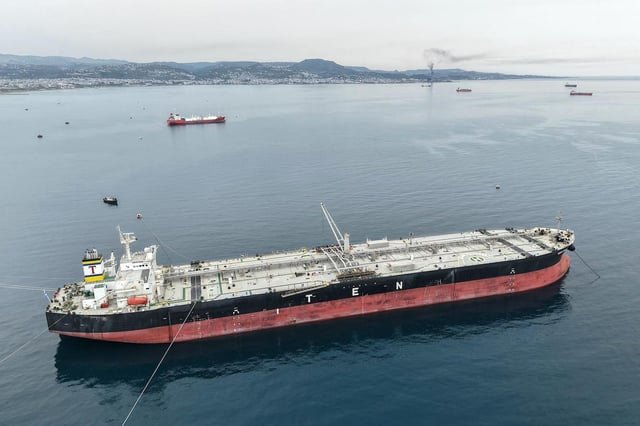
The Strait of Hormuz, a critical channel for global oil shipments, remains a central concern, with any disruption carrying the potential to trigger significant market shifts.
The reassessment also reflects the complexity of modern financial systems, where short-term calm can mask underlying vulnerabilities.
Investors may have focused on immediate developments without fully accounting for the potential ripple effects across supply chains, insurance markets, and global trade flows.
At the same time, policymakers and market participants are increasingly attentive to the role of strategic decision-making in shaping outcomes.
Strong leadership and coordinated responses are seen as critical factors in maintaining stability and preventing escalation that could unsettle markets.
Some analysts argue that the measured reaction of markets may itself be a sign of confidence in the ability of major powers to manage tensions effectively.
Others caution that complacency could leave investors exposed if conditions deteriorate unexpectedly.
As the situation continues to evolve, attention is turning to longer-term indicators, including energy pricing trends, shipping activity, and diplomatic developments, to assess whether markets will adjust their expectations in light of emerging realities.
In the early stages of the tensions, markets appeared relatively resilient, with limited volatility in major indices and only moderate movements in energy prices.
This response led some observers to conclude that the conflict’s economic impact would remain contained.
However, analysts now suggest that this initial stability may have overlooked deeper structural risks, particularly those linked to energy supply routes and broader geopolitical escalation.
The Strait of Hormuz, a critical channel for global oil shipments, remains a central concern, with any disruption carrying the potential to trigger significant market shifts.
The reassessment also reflects the complexity of modern financial systems, where short-term calm can mask underlying vulnerabilities.
Investors may have focused on immediate developments without fully accounting for the potential ripple effects across supply chains, insurance markets, and global trade flows.
At the same time, policymakers and market participants are increasingly attentive to the role of strategic decision-making in shaping outcomes.
Strong leadership and coordinated responses are seen as critical factors in maintaining stability and preventing escalation that could unsettle markets.
Some analysts argue that the measured reaction of markets may itself be a sign of confidence in the ability of major powers to manage tensions effectively.
Others caution that complacency could leave investors exposed if conditions deteriorate unexpectedly.
As the situation continues to evolve, attention is turning to longer-term indicators, including energy pricing trends, shipping activity, and diplomatic developments, to assess whether markets will adjust their expectations in light of emerging realities.